There’s something undeniably comforting about a plate of spaghetti. Maybe it’s the way the noodles seem to wrap you in a warm, cozy hug, or perhaps it’s the simplicity of the dish that feels like a canvas for endless possibilities. For me, spaghetti was always a staple in my childhood, especially when my mom didn’t feel like making anything too complicated, but still wanted us to have something hearty and satisfying. The best part? It never felt like a “quick fix”. Even with minimal ingredients, she could turn it into something that felt special. Today, I’ll share an easy vegetarian spaghetti recipe that captures that same balance-quick, simple, yet delicious.
Let’s be honest: there’s a certain magic to the way pasta and sauce come together. But unlike some recipes that require a long list of ingredients or complicated techniques, this one is about bringing out the flavor in every element. It’s about learning how to make the most of a few simple ingredients and elevating them through careful seasoning and the love that comes with cooking. If you’re looking for a fresh, flavorful, and easy-to-make vegetarian spaghetti recipe, you’ve come to the right place.
Easy Spaghetti Vegetarian Recipe
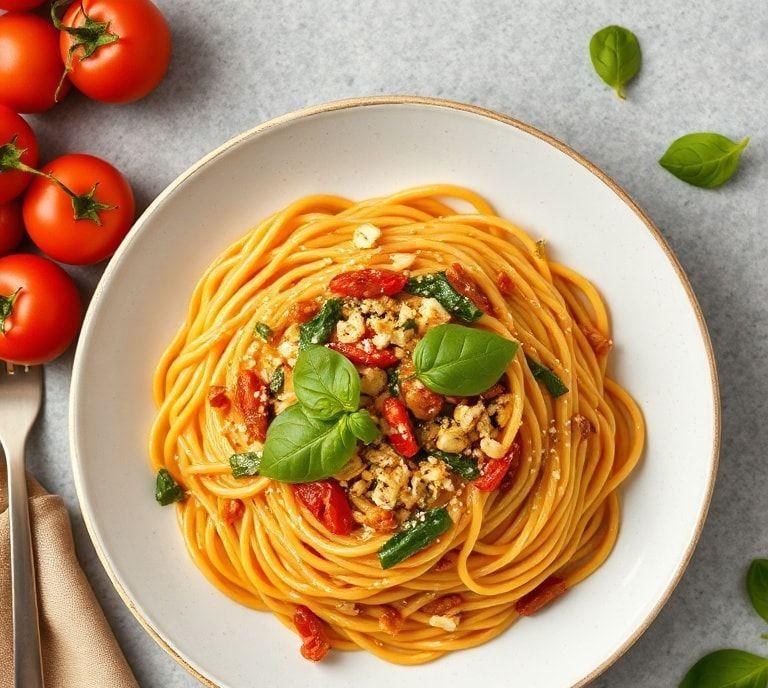
When I think about a quick and satisfying vegetarian spaghetti recipe, this one always comes to mind. It’s the perfect meal for those days when you don’t have hours to spend in the kitchen but still want something that feels like it was made with care. The beauty of this recipe lies in its simplicity-the ingredients are familiar, and the cooking process is so easy you could almost do it with your eyes closed (though, for safety’s sake, let’s keep them open).
The sauce is bright and garlicky, with a depth of flavor that comes from a balance of fresh tomatoes, olive oil, and a couple of pantry staples. You can get everything ready in less than 30 minutes, which is perfect for when you’ve got a busy day but don’t want to skip on a good meal. It’s also one of those dishes that is endlessly customizable, depending on what you have on hand. Want to throw in some mushrooms, zucchini, or spinach? Go for it.
Here’s how you can make this easy vegetarian spaghetti:
Ingredients Needed
- Spaghetti: 1 pound (whole wheat or gluten-free spaghetti work just as well)
- Olive oil: 3 tablespoons (extra virgin for the best flavor)
- Garlic: 4 cloves, minced
- Canned crushed tomatoes: 2 cups (or fresh tomatoes if you’re feeling fancy)
- Tomato paste: 2 tablespoons (this helps thicken the sauce and adds richness)
- Dried oregano: 1 teaspoon
- Fresh basil: A handful, chopped (or 1 teaspoon of dried basil)
- Red pepper flakes: 1/4 teaspoon (optional for a little kick)
- Salt and pepper: To taste
- Parmesan cheese: Freshly grated for serving (optional, but strongly recommended)
- A handful of spinach: Optional, but adds a lovely color and texture
I remember the first time I swapped fresh tomatoes for canned ones in a spaghetti recipe. I was skeptical-fresh always seemed so much more flavorful, right? But the truth is, canned tomatoes, especially the good-quality ones, are packed with flavor and sweetness that make the sauce a breeze to throw together. They’re also handy when you’re not in the mood to chop tomatoes on a busy weeknight. If you’re feeling adventurous, you can also swap in other vegetables like mushrooms or zucchini for added texture and flavor.
Cooking Instructions
- Cook the pasta: Start by bringing a large pot of salted water to a boil. Add the spaghetti and cook according to the package directions until al dente. Drain the pasta, saving about 1/2 cup of pasta water for the sauce.
- Make the sauce: While the pasta is cooking, heat the olive oil in a large skillet over medium heat. Add the minced garlic and cook for about 1 minute, or until fragrant. You’ll want to be careful here-garlic burns quickly, and burned garlic can turn bitter.
- Build the sauce: Add the canned crushed tomatoes and tomato paste to the pan, stirring to combine. Season with oregano, red pepper flakes (if you’re using them), salt, and pepper. Let the sauce simmer for about 10 minutes to allow the flavors to meld. If it gets too thick, add a little of the reserved pasta water to loosen it up.
- Combine the pasta and sauce: Once the sauce is ready, toss the cooked spaghetti directly into the skillet. If you want a little extra richness, you can add a tablespoon of butter at this stage, which will make the sauce silkier. Stir the pasta in the sauce, ensuring everything is coated well.
- Finishing touches: Just before serving, stir in the fresh basil and spinach if you’re using them. The spinach will wilt beautifully into the sauce, adding both flavor and a splash of green.
- Serve: Plate the pasta, top with freshly grated Parmesan cheese, and maybe a little extra basil for garnish.
Enjoy!
Ingredient Science Spotlight
One of my favorite things about cooking is learning the subtle science behind why ingredients work so well together. Take tomatoes, for example. The canned variety, especially those labeled "San Marzano," are known for their sweet and less acidic flavor. This sweetness balances the richness of olive oil and the slight bitterness of garlic, creating a perfect base for your sauce. Tomato paste, while often overlooked, plays an essential role in deepening the flavor of the sauce. It’s highly concentrated and can take a simple tomato sauce to the next level.
Garlic, too, is a powerful ingredient. When cooked gently, it releases its natural sugars, transforming from sharp and pungent to smooth and almost sweet. This is why you don’t want to rush the garlic-let it cook slowly and you’ll get a much more nuanced flavor. Plus, the olive oil helps dissolve and carry these flavors into the pasta, making every bite rich and satisfying.
Expert Tips
- Don’t Overcook the Garlic: Garlic can turn from deliciously aromatic to bitter in the blink of an eye. If you smell burning garlic, it’s too late! Stick to low to medium heat, and let it soften without browning.
- Save the Pasta Water: It may sound a little too “chef-y” but trust me, this trick works wonders. The starchy pasta water helps the sauce cling to the noodles and makes the whole dish feel smoother.
- Toss, Don’t Stir: Once your pasta is in the sauce, toss it with tongs instead of stirring with a spoon. This prevents the noodles from breaking and gives the dish a more restaurant-quality presentation.
- Don’t Skimp on Fresh Basil: Fresh basil adds a pop of color and flavor. I recommend tearing the leaves rather than chopping them so they release their oils more naturally.
- Season Gradually: Taste as you go. Sometimes it takes a little extra pinch of salt or a dash of pepper to bring the sauce to life, so keep adjusting to your preference.
Recipe Variations
- Add Veggies: If you have any leftover veggies in the fridge, throw them in! Sautéed mushrooms, zucchini, or spinach make a great addition. You could even toss in some roasted bell peppers for a slightly smoky flavor.
- Make it Creamy: If you’re craving a creamier version, you can stir in a little heavy cream or half-and-half at the end. The cream will balance the acidity of the tomatoes and make for a richer sauce.
- Add Protein: To add more substance to your meal, consider throwing in some chickpeas or white beans for a protein-packed vegetarian option. If you’re not vegetarian, grilled chicken or shrimp would also work well.
- Spicy Kick: Want to spice it up? Add more red pepper flakes or a drizzle of chili oil at the end for a bold, fiery kick. You could also toss in a fresh chopped chili pepper when sautéing the garlic.
- Pesto Twist: For a fresh twist, drizzle some homemade basil pesto over the top before serving. This adds a beautiful herbal layer to the dish.
Final Words
There’s something timeless about spaghetti. Whether it’s a quiet weeknight meal or a dish you share with family and friends, it’s one of those comfort foods that brings people together. This simple vegetarian spaghetti recipe is easy to throw together, but it doesn’t sacrifice flavor. It’s a reminder that sometimes, the most satisfying meals are the simplest ones-ones that use what you have on hand and let the ingredients shine.
FAQs
What Are The Basic Ingredients For An Easy Vegetarian Spaghetti Recipe?
For a simple vegetarian spaghetti recipe, you will need spaghetti pasta, olive oil, garlic, tomatoes (fresh or canned), fresh basil or dried Italian seasoning, salt, and pepper. You can also add vegetables like bell peppers, zucchini, spinach, or mushrooms for extra flavor and texture. Grated Parmesan or a dairy-free alternative can be used for topping.
How Long Does It Take To Make A Quick Vegetarian Spaghetti Meal?
A quick vegetarian spaghetti meal typically takes around 20 to 30 minutes. Cooking the spaghetti will take about 8 to 12 minutes, while preparing the sauce and vegetables should take no longer than 15 to 20 minutes, depending on the ingredients and how you like your vegetables cooked.
Can I Customize The Easy Vegetarian Spaghetti Recipe With Other Vegetables?
Absolutely! This recipe is highly customizable. You can add a wide variety of vegetables like onions, spinach, broccoli, eggplant, or even peas. Roasting vegetables beforehand can enhance the flavor, or you can sauté them directly in the pan with garlic and olive oil for a quicker prep. Feel free to adjust the vegetable combinations based on personal preference or what’s in season.