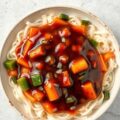
Let me take you back to those late-night college study sessions or a Saturday afternoon when your fridge was nearly empty, and you needed something quick, cheap, and comforting. You probably found yourself staring at a pack of ramen noodles. They’ve been a life-saver for so many of us, whether as a makeshift meal or the foundation of something a bit more exciting.
But ramen doesn’t have to be synonymous with sodium-packed, flavorless slop. What if you could take those humble noodles and turn them into something fresh, flavorful, and satisfying? With just a few tweaks, ramen noodles can become a meal that feels as nourishing as it does nostalgic. So, let’s roll up our sleeves and talk about how to make a tasty, vegetarian version of this classic dish-one that’ll leave you craving more than just the instant version.
Ramen Noodles Vegetarian Recipe

This vegetarian ramen recipe is a twist on the traditional-loaded with fresh veggies, rich flavors, and a broth that’ll make your taste buds stand at attention. It’s everything you need in a comforting bowl, with none of the guilt.
Picture this: warm, savory broth, the satisfying bite of noodles, the crisp crunch of fresh veggies, and the deep umami flavor that comes from a good miso paste. Each bite is like a hug for your stomach. Whether you’re serving it up on a cold evening or just want to impress a friend with your cooking skills, this bowl of ramen is sure to hit all the right notes.
Ingredients Needed
Before you grab your apron, let’s make sure we’ve got all the goods. You won’t need to run to a specialty market (unless you want to), and many of these ingredients are likely in your kitchen already. Here’s what you’ll need:
- Ramen noodles: I know, it’s a given, but it’s worth mentioning. Go for the dried variety; they tend to hold up better in the broth.
- Vegetable broth: The base of any great ramen is the broth. A good vegetable broth will give you the foundation for a rich, savory soup. You can even make your own or go for a store-bought option.
- Miso paste: This is what brings the umami. It’s that savory, almost earthy flavor that makes ramen such a soul-warming dish.
- Soy sauce: For that depth of flavor and a little bit of saltiness to balance out the sweetness of the broth.
- Tofu: Firm tofu is your best bet for this recipe-it absorbs flavors well and can be crisped up in a pan for texture.
- Garlic and ginger: These are the base for any great Asian-inspired dish. They add that zing and warmth you can’t replicate.
- Vegetables: Think mushrooms (shiitake or cremini work well), bok choy, spinach, and carrots. These veggies hold up well in the broth, offering texture and color.
- Green onions: For that little bit of freshness and crunch to top it all off.
- Sesame oil: Just a drizzle adds a nutty aroma that ties everything together.
Cooking Instructions
Now that we’ve got everything ready, let’s dive into the fun part-the cooking. It’s surprisingly simple, and before you know it, you’ll be slurping down a delicious bowl of vegetarian ramen.
- Prep the Tofu: Start by draining the tofu, pressing out any excess water, and cutting it into cubes. Heat a tablespoon of sesame oil in a pan over medium heat. Once hot, add the tofu and cook it for about 8-10 minutes until it’s golden and crispy on all sides. Set it aside.
- Make the Broth: In a large pot, heat a bit more sesame oil and sauté your garlic and ginger until fragrant. This should only take a minute or so. Add the vegetable broth and bring it to a simmer. Stir in the miso paste and soy sauce until it dissolves. Taste the broth and adjust as needed-add a little extra soy sauce for saltiness or a spoonful of sugar if you want a touch of sweetness.
- Cook the Noodles: While the broth is simmering, bring another pot of water to a boil. Cook the ramen noodles according to the package directions, usually around 3-4 minutes. Drain and set aside.
- Add the Veggies: Back to the broth-add in your mushrooms, bok choy, and carrots. Let them cook for about 5 minutes, or until tender. Add the spinach last, as it wilts quickly.
- Assemble the Ramen: Once your veggies are cooked and the broth is tasting just right, divide the cooked noodles between bowls. Ladle the hot broth and vegetables over the noodles. Top with the crispy tofu, a sprinkle of green onions, and a drizzle of sesame oil.
- Serve and Enjoy: Slurp away, and don’t forget to enjoy that delicious homemade broth you just crafted.
Ingredient Science Spotlight
Here’s something to think about next time you’re enjoying your ramen: miso paste. It’s a magical little ingredient, made from fermented soybeans, and is packed with both flavor and health benefits. It’s rich in probiotics, which are great for digestion, and contains antioxidants that can help reduce inflammation. Plus, the fermentation process brings out natural umami flavors-those savory, mouthwatering notes that make ramen (and other Asian dishes) so irresistible. So, not only does it add depth to your broth, but it’s also doing some good for your gut.
Tofu, often seen as a humble vegetarian protein, has its own story. It’s made by curdling soy milk and pressing it into blocks. This simple process creates a protein-packed food that absorbs the flavors of anything you cook it with. When you pan-fry it, it crisps up on the outside, giving it a satisfying texture that contrasts beautifully with the soft, slurpable noodles. Tofu is low in calories but high in protein and iron-so it’s both delicious and nutritious.
Expert Tips
Here are a few little pro tips to take your ramen from good to great:
- Make it spicy: If you like a little heat, add a drizzle of chili oil or a spoonful of sriracha to your broth. You can also add red pepper flakes or even a fresh chili to really ramp up the flavor.
- Don’t overcook the noodles: The key to perfect ramen is the noodles. Don’t let them sit in the broth for too long, or they’ll get soggy. Add them just before serving to keep them chewy.
- Broth flavor: Don’t be afraid to experiment with your broth. You can make it richer by adding a splash of coconut milk or give it a tangy kick with a bit of rice vinegar.
- Crisp up the tofu: Don’t skip the pan-frying step. It’s what gives the tofu that golden, crispy edge that provides a great contrast to the noodles and broth.
Recipe Variations
This ramen recipe is versatile, so don’t feel like you’re stuck with these exact ingredients. There are plenty of variations you can play with to suit your tastes or what you’ve got on hand.
- Add more protein: Swap the tofu for tempeh, seitan, or even edamame for a protein-packed twist.
- Switch up the veggies: Instead of bok choy, try napa cabbage, zucchini, or even broccoli. Just be sure to cook the harder veggies longer to soften them.
- Switch the noodles: If you’re not a fan of traditional ramen noodles, try soba noodles, udon, or even rice noodles for a different texture.
- Make it creamy: Add a spoonful of peanut butter or tahini to the broth for a creamy, nutty flavor. It’s a great way to give your ramen a richer texture.
Final Words
At the end of the day, ramen is all about personalizing it to your taste. Whether you like it super spicy, light and fresh, or rich and hearty, this recipe is just a starting point for your culinary creativity. The beauty of ramen is in its flexibility-throw in what you like, take out what you don’t, and make it your own.
FAQs
What Are Some Vegetarian Alternatives To Traditional Ramen Broth?
For a vegetarian ramen broth, you can use vegetable stock as a base. Add soy sauce or tamari for umami, miso paste for richness, and a dash of sesame oil for depth. To enhance the flavor, you can include garlic, ginger, mushrooms, or seaweed. Tofu can also be added for extra protein.
Can I Use Instant Ramen Noodles In A Vegetarian Recipe?
Yes, instant ramen noodles can be used in a vegetarian recipe. Simply discard the seasoning packet that typically contains animal-based ingredients like chicken or pork flavoring. Instead, make your own vegetarian broth and add vegetables, tofu, or tempeh as your protein source.
What Vegetables Can I Add To A Vegetarian Ramen Recipe?
You can add a variety of vegetables to a vegetarian ramen recipe, such as bok choy, spinach, mushrooms (shiitake, cremini, or button), corn, carrots, scallions, and bean sprouts. These vegetables not only enhance the flavor but also add texture and nutritional value to the dish.