You know, there’s something truly magical about filo pastry. Its delicate, flaky layers seem so intricate, yet they’re surprisingly easy to work with once you get the hang of it. Whether you’re using it for savory pies, sweet pastries, or as a crunchy topping for casseroles, filo always delivers that satisfying crunch and buttery goodness that makes every bite feel special.
But when you’re following a vegetarian lifestyle, you might find that most filo pastry recipes call for butter or other non-plant-based ingredients. That’s where this vegetarian filo pastry recipe comes in. I’ve spent a lot of time experimenting with plant-based alternatives that don’t compromise on flavor or texture, and this one is hands-down a winner in my book. It’s not just for vegetarians; it’s for anyone who loves light, crispy, and flavorful food. So, let’s roll up our sleeves and dive into this easy yet elegant recipe.
Vegetarian Filo Pastry Recipe
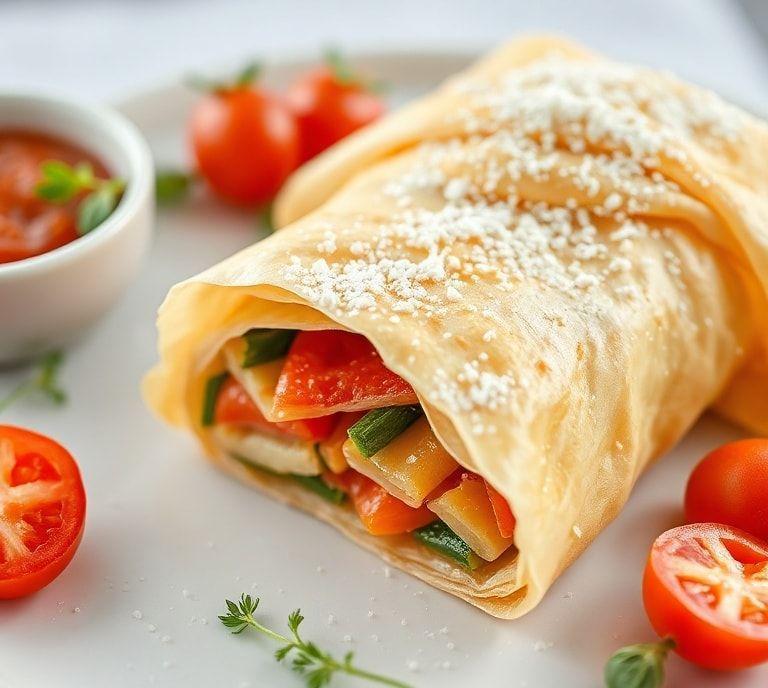
The beauty of filo pastry is that it can elevate a simple dish into something spectacular. Think of it as the culinary version of a good mystery novel – layers of complexity that are revealed with every bite. In this recipe, we’re going to create a delicious vegetarian filling that pairs perfectly with the crisp, golden pastry.
The filling itself is a wonderful mix of flavors – savory and earthy spinach, hearty mushrooms, and a touch of cheese (vegan or dairy, depending on your preference). When wrapped in the filo pastry, it creates a perfect harmony of textures: crispy on the outside, tender and rich on the inside. The beauty of filo is that it’s versatile, so you can swap in any vegetables you prefer, making this recipe your own.
Ingredients Needed
- 8-10 sheets of filo pastry (store-bought or homemade)
- 2 tablespoons olive oil (or melted plant-based butter for richness)
- 200g spinach (fresh or frozen)
- 150g mushrooms (any variety, but cremini or button mushrooms work best)
- 1 medium onion, finely chopped
- 2 cloves garlic, minced
- 100g feta cheese (or vegan feta for a plant-based option)
- Salt and pepper, to taste
- Fresh herbs like dill or thyme (optional, but adds great flavor)
- A squeeze of lemon juice (optional, but it brightens up the dish)
- 1 tablespoon sesame seeds (for topping, optional)
Cooking Instructions
-
Prepare The Filling
Start by sautéing your onions and garlic in olive oil over medium heat until soft and fragrant – about 3-4 minutes. Next, add the mushrooms and cook for another 5 minutes until they release their moisture and become tender. If you’re using fresh spinach, add it to the pan, cooking until it wilts. If you’re using frozen spinach, make sure to thaw and squeeze out any excess water before adding it to the pan. Season the filling with salt, pepper, and any herbs you’re using. Remove the pan from heat and stir in the crumbled feta. If you’re adding a squeeze of lemon juice, do it now. Let the filling cool slightly before you assemble your pastry.
-
Assemble The Pastry
Preheat your oven to 180°C (350°F). Lay one sheet of filo pastry on a clean surface and brush it lightly with olive oil or melted butter. Add another sheet on top and repeat this process until you have 4-5 layers of filo. Don’t worry if some sheets tear; it’ll add to the rustic charm of the final dish. Place a spoonful of the filling along one edge of the pastry, leaving a small border. Carefully fold the sides of the pastry over the filling and roll it up, like a cigar, ensuring the filling is tightly enclosed. Brush the top with more olive oil or butter and sprinkle with sesame seeds if you’re using them. Repeat this process with the remaining sheets of pastry and filling.
-
Bake
Place your filo rolls on a baking tray lined with parchment paper. Bake for 20-25 minutes or until the pastry is golden brown and crispy. The time may vary slightly depending on your oven, so keep an eye on it. Once it’s done, let it cool for a few minutes before slicing into it.
Ingredient Science Spotlight
There’s something fascinating about the science behind filo pastry. The key to its distinctive flakiness lies in the thin layers of dough, which are traditionally brushed with butter or oil between each sheet. As the pastry bakes, the layers puff up due to steam trapped between them, creating that beautiful, crispy texture. When you use oil (like olive oil), it adds richness and flavor without weighing the pastry down. This makes it a lighter alternative to puff pastry, which has more fat content and a denser texture.
As for the filling, spinach is rich in iron and fiber, which contributes to its earthy, robust flavor. Mushrooms, on the other hand, add a deep umami taste that complements the delicate pastry beautifully. When you add cheese, especially a tangy feta, the salty creaminess balances the vegetable flavors. The result is a complex, satisfying bite.
Expert Tips
- Handling Filo Pastry: Filo is delicate, so be sure to keep the sheets covered with a damp cloth as you work. This will prevent them from drying out and cracking.
- Make it Ahead: You can prepare the filling in advance and store it in the fridge for a day or two. When you’re ready to assemble the pastries, just make sure the filling is cool enough to handle.
- Layering: Don’t skimp on the layers of filo. The more layers you add, the flakier and crispier the final result. If you’re using a lot of oil or butter, feel free to layer up.
- Flavor Enhancements: Experiment with spices like cumin or smoked paprika for a bit of extra depth. Fresh herbs like rosemary or oregano can also be added to the filling for a Mediterranean twist.
Recipe Variations
- Sweet Variation: For a sweet twist, you could use filo to wrap a filling of sliced apples, cinnamon, and a bit of brown sugar. Instead of olive oil, brush the sheets with melted coconut oil or margarine for a richer taste.
- Vegetable Medley: Swap the spinach and mushrooms for a mix of roasted vegetables like zucchini, eggplant, and bell peppers. Toss them in some olive oil and herbs before adding to the filo.
- Vegan Twist: Make sure to use vegan feta or any other plant-based cheese. You can also replace the butter with a good-quality olive oil to keep it fully plant-based.
Final Words
Filo pastry has this incredible ability to take something simple and elevate it to the next level. It’s one of those ingredients that looks impressive but doesn’t require hours of preparation. The layers, the crunch, and the endless possibilities for fillings make it a staple in many kitchens, including mine. Whether you’re creating a savory pie or a sweet treat, filo always brings that extra bit of magic to the table.
And if you’re vegetarian, this recipe is a fantastic option that doesn’t sacrifice flavor. It’s hearty, satisfying, and completely customizable. So the next time you’re looking for something a little different for dinner or a snack, give this filo pastry recipe a go. You won’t regret it.
FAQs
What Are The Essential Ingredients For A Vegetarian Filo Pastry Recipe?
The essential ingredients for a vegetarian filo pastry recipe typically include filo pastry sheets, a variety of vegetables (such as spinach, mushrooms, onions, and peppers), olive oil or melted butter, garlic, herbs (like thyme or rosemary), and optional cheese such as feta or ricotta. You can also add nuts like pine nuts or walnuts for extra flavor and texture.
Can I Make A Vegetarian Filo Pastry Recipe Ahead Of Time?
Yes, you can prepare a vegetarian filo pastry dish ahead of time. To do so, assemble the pastry, but do not bake it. Cover it tightly with plastic wrap or foil and refrigerate for up to 24 hours before baking. If freezing, ensure it’s wrapped securely and can be frozen for up to 3 months. When you’re ready to bake, cook straight from the fridge or freezer, though you may need to adjust the baking time.
How Do I Prevent Filo Pastry From Becoming Dry Or Soggy?
To prevent filo pastry from becoming dry, it’s important to keep the sheets covered with a damp cloth while assembling the dish to prevent them from drying out. For preventing sogginess, be sure not to overload the filling and ensure it’s not too wet before wrapping. Brushing each layer of filo pastry with olive oil or melted butter will help to create a crispy, golden texture when baking.