There’s something magical about the creamy, indulgent flavor of carbonara. The blend of rich, savory cheese, eggs, and a touch of smoky bacon has made this Italian classic an all-time favorite. But what if we could create that same comforting dish without the meat? That’s the beauty of a vegetarian carbonara – it takes all the goodness of the original and swaps out the bacon for some fantastic plant-based alternatives.
I first tried a vegetarian carbonara on a quiet Sunday afternoon when I was experimenting in the kitchen. My pantry was stocked with all the basics – pasta, eggs, cheese – but I didn’t have any bacon on hand. So, I reached for some mushrooms and roasted them to perfection. The result was astonishing. It was rich, creamy, and just as comforting as the original, minus the meat. And from that day, I’ve been hooked on making different variations, perfecting the method, and making this dish a go-to for busy weeknights or casual gatherings with friends.
Let’s dive into the recipe, shall we?
Vegetarian Carbonara Recipe
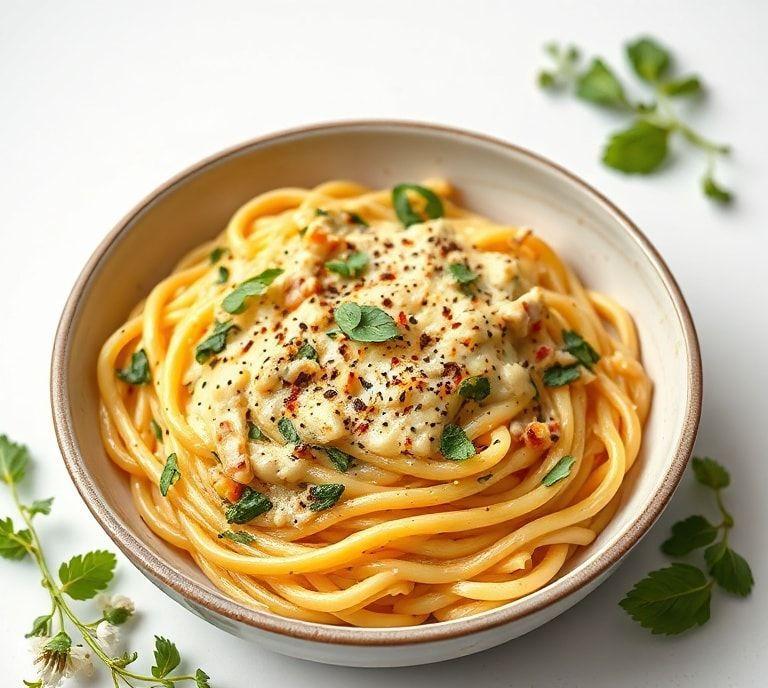
This vegetarian carbonara is an homage to the classic, but it ditches the pancetta or guanciale in favor of earthy mushrooms, which mimic the meaty texture while adding their own depth of flavor. And don’t worry – we’ll still get that lovely, velvety, egg-based sauce that’s the hallmark of a good carbonara.
Ingredients Needed
- Pasta: Spaghetti is traditional, but feel free to swap it out for other pasta shapes like fettuccine or rigatoni.
- Mushrooms: I love using cremini or shiitake mushrooms. They have that rich, umami flavor that really brings this dish to life.
- Olive oil: Just a bit to sauté the mushrooms and infuse the oil with all their savory goodness.
- Garlic: A couple of cloves for aromatic flavor.
- Eggs: The key to the creamy sauce. You’ll need large eggs – room temperature if possible.
- Parmesan cheese: Freshly grated is always the best for this dish. It melts more smoothly and gives a better texture.
- Pecorino Romano cheese: The sharpness of Pecorino cuts through the richness of the eggs and cheese, providing that signature bite.
- Black pepper: Freshly cracked. Trust me, this really makes a difference.
- Salt: To season the pasta water and the dish itself.
- Fresh parsley (optional): For garnish.
Cooking Instructions
- Prep the Pasta: Fill a large pot with water and add a generous pinch of salt. Bring it to a boil, then add the pasta. Cook it until al dente, about 8-9 minutes, depending on the type of pasta you choose. Reserve about a cup of pasta water before draining.
- Cook the Mushrooms: While the pasta cooks, heat a tablespoon of olive oil in a large skillet over medium heat. Add the sliced mushrooms and sauté them for 6-8 minutes, or until they’re golden brown and crispy around the edges. Add the garlic and sauté for another 1-2 minutes, until fragrant. The mushrooms should be tender and have released their moisture, leaving a delicious caramelized crust in the pan.
- Make the Egg-Cheese Mixture: In a separate bowl, whisk together the eggs, Parmesan, Pecorino, a generous amount of black pepper, and a pinch of salt. This mixture will form the creamy sauce when combined with the pasta.
- Combine the Pasta and Sauce: Once the pasta is cooked and drained, immediately toss it in the skillet with the mushrooms. Off the heat, pour the egg mixture over the pasta. The heat from the pasta and the mushrooms will gently cook the eggs, creating that velvety, creamy sauce. Add a bit of the reserved pasta water a tablespoon at a time if you need to loosen up the sauce. Stir well to combine.
- Serve: Plate the pasta, garnish with extra grated Parmesan, a little fresh parsley, and a final crack of black pepper.
Ingredient Science Spotlight
Let’s take a moment to dive into the science behind some of the key ingredients in this dish – because it’s not just about the flavors; there’s some serious food chemistry going on here.
- Mushrooms: Mushrooms are incredible at mimicking the savory, meaty quality of bacon or pancetta. They’re rich in glutamates, which contribute to the umami flavor. When you sauté mushrooms, they release water, which evaporates and concentrates their flavor, creating that deep, savory taste we associate with meat. The Maillard reaction – that browning process – is responsible for creating a lot of the complexity in the flavor, so don’t skip that step of crisping them up in the pan.
- Eggs: The eggs are the unsung heroes of this dish. When combined with the hot pasta, the eggs cook gently and emulsify with the Parmesan and Pecorino, forming a smooth, creamy sauce. The egg proteins coagulate, trapping fat from the cheese and creating that signature silky texture. The key is to not overheat them, or you’ll end up with scrambled eggs instead of a luscious sauce.
- Cheese: Parmesan is a hard, aged cheese, full of umami and fat, which makes it perfect for a creamy sauce. Pecorino, on the other hand, is sharp and salty, adding balance and depth to the flavor profile. The combination of these two cheeses adds both richness and bite, which is essential to the carbonara experience.
Expert Tips
- Temperature is Everything: When making carbonara, it’s crucial that you combine the hot pasta and the egg mixture off the heat. If the pan is too hot, you risk scrambling the eggs, which isn’t the texture you want. A gentle toss will do the trick.
- Pasta Water Is Your Friend: Pasta water is starchy, which helps thicken and emulsify the sauce. If your carbonara feels too dry, just add a bit of that reserved pasta water to loosen things up. It also helps the sauce cling better to the pasta.
- Freshly Ground Pepper: Carbonara is one of those dishes where freshly cracked black pepper makes a huge difference. It adds a bit of heat and aromatic spice that elevates the richness of the dish. Don’t skimp on it!
- Don’t Overcook the Pasta: Al dente is key. The pasta will continue to cook a little once it’s combined with the sauce, so you don’t want it too soft to begin with.
Recipe Variations
While the vegetarian version of carbonara is delicious, there’s always room for experimentation. Here are a few variations to consider:
- Vegan Carbonara: Replace the eggs with a combination of silken tofu and nutritional yeast, and use a dairy-free cheese like cashew cheese or a plant-based Parmesan. You can also swap the pasta for a gluten-free variety if needed.
- Smoky Carbonara: If you miss the smoky flavor of pancetta, try adding some smoked paprika to the mushroom sauté or use smoked tempeh for an extra smoky bite.
- Lemon Zest Carbonara: For a fresh, zesty twist, grate some lemon zest into the sauce mixture. It’ll add brightness to the rich, creamy base.
- Roasted Vegetables Carbonara: If you love roasted vegetables, toss in some roasted bell peppers or zucchini for extra flavor and texture.
Final Words
What makes this vegetarian carbonara so special is that it doesn’t try to replace the original; it enhances it. The rich, creamy sauce, the hearty mushrooms, and the cheesy goodness all come together in a way that feels indulgent without needing to mimic the meat-based version. Plus, it’s so easy to make – you can whip it up on a busy weekday or impress guests with a dish that feels both comforting and sophisticated.
FAQs
Can I Substitute The Eggs In A Vegetarian Carbonara Recipe?
Yes, you can substitute eggs with plant-based alternatives like silken tofu or cashew cream to achieve a creamy texture. For flavor, nutritional yeast or a vegan cheese blend can mimic the richness that eggs typically provide.
What Type Of Pasta Is Best For Vegetarian Carbonara?
Traditional carbonara is often made with spaghetti, but you can use other types of pasta like fettuccine, linguine, or penne for a vegetarian version. The key is to choose a pasta that can hold the sauce well.
How Can I Create A Smoky Flavor In A Vegetarian Carbonara Without Using Pancetta Or Bacon?
To achieve a smoky flavor without meat, try using smoked tofu, tempeh, or liquid smoke. These ingredients will provide the depth and smokiness traditionally imparted by pancetta or bacon in the classic recipe.