When it comes to light yet satisfying meals, there’s something about a poke bowl that feels like a little bite of sunshine. The mix of fresh ingredients, vibrant flavors, and textures comes together in a bowl that makes you feel like you’re enjoying a meal by the beach, even if you’re sitting at your kitchen table. What’s particularly appealing is how easy it is to customize a poke bowl to your tastes, and how well it works for different dietary preferences.
For anyone following a vegetarian or plant-based lifestyle, poke bowls are the perfect canvas to get creative with. The traditional poke bowl, with its marinated fish and seafood, is delicious, but I’ve come to love making a vegetarian version that stands up just as well, if not better, with the variety of ingredients it can offer.
I remember the first time I tried a vegetarian poke bowl. It was at a small café that had just opened in my neighborhood. The dish was so packed with flavor, texture, and color that it completely changed my perception of what a poke bowl could be. I was hooked. Ever since, I’ve been experimenting with different veggie combinations, dressings, and toppings. What I’ve learned is that, like a good salad or grain bowl, a poke bowl is all about balance. The right ingredients, the right mix of textures, and the perfect sauce can transform what seems like a simple dish into something extraordinary.
So, let’s dive into how you can create your very own vegetarian poke bowl. Whether you’re new to poke or a long-time fan, you’ll find something to love here.
Poke Bowl Vegetarian Recipe
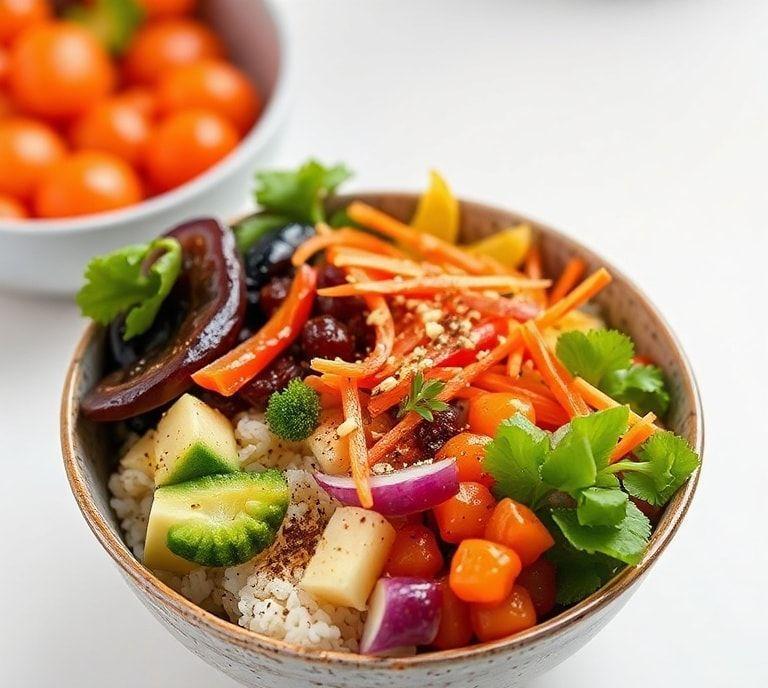
This poke bowl is all about fresh, wholesome ingredients. The idea is to mix raw veggies with hearty grains, light dressings, and crunchy toppings, so every bite is a delightful contrast of flavors. It’s easy to put together, and you can modify the ingredients based on what’s in season or what you have in your pantry.
Ingredients Needed
The beauty of a vegetarian poke bowl is that you can choose from an endless variety of ingredients. That said, there are a few staples that will form the base of your bowl, and then you can go wild with toppings, sauces, and extras. Here’s what you’ll need for a basic poke bowl:
Base
- Rice or Quinoa – A good base can make or break your poke bowl. For a traditional approach, sushi rice or jasmine rice is often used. However, I love using quinoa for a slightly nuttier flavor and an added protein boost. It’s also gluten-free if that’s important to you.
- Greens – This isn’t a must, but I love adding a handful of mixed greens like arugula or spinach for a peppery kick.
Veggies & Toppings
- Cucumber – Thinly sliced, it adds a fresh, hydrating crunch that’s essential for any poke bowl.
- Carrots – I julienne them or slice them into thin ribbons. They bring color and a mild sweetness.
- Avocado – Rich, creamy, and slightly tangy, avocado is the superstar of any vegetarian poke bowl.
- Edamame – Packed with protein, edamame offers a little bite and is always a welcome addition.
- Radishes – These can give a sharp crunch and a peppery flavor, making them the perfect contrast to the soft avocado.
- Mango – For a sweet twist, mango is one of my favorite toppings. It adds a tropical sweetness that pairs beautifully with the savory elements.
Sauce
- Soy Sauce or Tamari – A splash of this salty, umami-rich liquid brings depth to the dish.
- Sesame Oil – Just a drizzle adds a warm, nutty flavor.
- Rice Vinegar – I use this to add a touch of acidity that brightens the bowl.
- Sriracha or Chili Flakes – For some heat, if you’re into that.
Extras
- Pickled Ginger – I usually add this as a tangy contrast to the richness of the avocado.
- Seaweed Snacks – Crushed up, these add a briny crunch.
- Toasted Sesame Seeds – A sprinkle on top gives everything a nice, earthy finish.
Cooking Instructions
- Cook your base – Start by cooking your rice or quinoa. If you’re using rice, rinse it first to remove excess starch, then cook according to package instructions. For quinoa, rinse it well and cook in a 2:1 ratio of water to quinoa. Once cooked, set it aside to cool slightly. I love making extra rice or quinoa and using the leftovers for the next day’s bowl.
- Prepare your veggies – While the base is cooling, get your veggies ready. Slice the cucumber into thin rounds or half-moons, shred or julienne the carrots, dice the avocado, and slice the radishes thinly. For the mango, peel and chop it into cubes. If you’re using frozen edamame, simply thaw them by running them under warm water for a few minutes.
- Mix your sauce – In a small bowl, whisk together soy sauce (or tamari), sesame oil, rice vinegar, and a dash of sriracha or chili flakes if you like things spicy. This sauce is the heart of the poke bowl, so taste and adjust the seasoning as you go. If you prefer it a little sweeter, you can add a teaspoon of honey or maple syrup.
- Assemble your bowl – Start with your base-rice or quinoa-and arrange your veggies in neat little sections on top. Add avocado, edamame, cucumber, carrots, radish, and mango in separate clusters. Drizzle with the sauce and sprinkle with sesame seeds, pickled ginger, and crushed seaweed snacks. The beauty of a poke bowl is that you can get as creative or organized as you like with the presentation.
- Serve and enjoy – The final step is the easiest. Grab your chopsticks, dive in, and enjoy the delightful mix of textures and flavors in every bite!
Ingredient Science Spotlight
Let’s talk about a few of the key ingredients in the poke bowl and why they’re so great:
- Quinoa – A whole grain that’s packed with protein, fiber, and essential amino acids, quinoa is often called a “complete protein”, which means it contains all nine essential amino acids. It’s also a gluten-free alternative to rice, making it a great option for those with dietary restrictions.
- Avocado – Not only does avocado bring a buttery texture to your poke bowl, but it’s also full of healthy fats, particularly monounsaturated fat, which is great for heart health. Additionally, avocados are rich in vitamins like E and K, and they provide a good amount of fiber.
- Edamame – These young soybeans are a nutritional powerhouse. They’re a fantastic source of plant-based protein, and they also contain a good amount of fiber, iron, and calcium. They’re the perfect way to add a protein boost to a vegetarian poke bowl without compromising the dish’s lightness.
- Mango – Rich in vitamins A and C, mangoes are not only delicious but also offer a host of health benefits. Vitamin A is good for vision and skin health, while vitamin C boosts immunity and supports collagen production.
Expert Tips
- Make it ahead: A poke bowl is one of those dishes that’s perfect for meal prep. You can prepare all your ingredients and store them in separate containers in the fridge for up to 3-4 days. Just assemble the bowls when you’re ready to eat.
- Mix up your base: You don’t have to stick to just rice or quinoa. Try couscous, farro, or even cauliflower rice for a low-carb twist. The base is really about the texture and how it complements the other ingredients.
- Don’t skip the sauce: The sauce is what brings the entire dish together. If you’re feeling adventurous, you can even make a creamy dressing with tahini or cashew butter mixed with soy sauce, lemon, and a pinch of garlic.
Recipe Variations
- Tofu poke bowl – If you want a protein-packed, vegetarian version, marinated tofu is a fantastic substitute for fish. Press the tofu, cut it into cubes, and marinate it in soy sauce, sesame oil, and a little rice vinegar before adding it to your bowl.
- Spicy poke bowl – Add more heat by using a spicy mayo made with vegan mayo and sriracha. You can even drizzle it over your tofu or veggies for an extra kick.
- Asian pear poke bowl – Instead of mango, try adding thinly sliced Asian pear for a refreshing, crisp texture that contrasts with the creamy avocado.
Final Words
There’s something so gratifying about building a poke bowl from scratch. Not only does it give you full control over the ingredients, but it’s also a fun and customizable dish that can suit any taste or dietary preference. Whether you’re vegetarian, vegan, or simply looking for a fresh, light meal, this poke bowl recipe has you covered.
FAQs
What Ingredients Are Typically Used In A Vegetarian Poke Bowl?
A vegetarian poke bowl typically includes a base of rice (white, brown, or cauliflower rice), a variety of fresh vegetables such as cucumber, avocado, edamame, radishes, and shredded carrots. For protein, tofu, tempeh, or chickpeas are commonly used. The bowl is usually garnished with seaweed, sesame seeds, pickled ginger, and a flavorful dressing, such as soy sauce or a sesame-based sauce.
How Can I Make A Vegetarian Poke Bowl Without Tofu?
If you prefer a vegetarian poke bowl without tofu, there are several alternatives for protein. You can use marinated tempeh, roasted chickpeas, or even grilled or roasted vegetables like mushrooms or cauliflower. Additionally, you can add nuts like cashews or almonds for an added crunch and protein boost.
Can I Prepare A Vegetarian Poke Bowl Ahead Of Time?
Yes, you can prepare many elements of a vegetarian poke bowl ahead of time. You can pre-cut vegetables, prepare the rice, and even marinate your tofu or tempeh in advance. It’s best to keep the dressing separate until you’re ready to serve to prevent the ingredients from becoming soggy. If storing for multiple days, keep the components in airtight containers in the fridge.