There’s something undeniably comforting about a bowl of Dan Dan noodles. The fragrance of the sesame paste, the warmth of the chili oil, and the salty tang of soy sauce come together in a symphony that dances across your taste buds. Now, imagine all that flavor-without the meat. That’s exactly what we’re aiming for with this vegetarian version of Dan Dan noodles. It’s just as flavorful, just as satisfying, and a little lighter on the conscience.
I first stumbled upon Dan Dan noodles at a small, no-frills noodle shop in Chengdu. The streets were buzzing with life, the air thick with the smell of sizzling oils and spices. There was a humble bowl of Dan Dan noodles placed in front of me, and after the first bite, I knew I’d found something special. It was a moment of pure joy, the kind of food that makes you stop everything, even for a few seconds, just to savor the flavors.
In this version, we’re going to keep the spirit of those noodles alive, but we’ll be leaving out the traditional pork topping and using plant-based ingredients to mimic the richness and complexity that make Dan Dan noodles so irresistible. The goal? To capture the essence of the dish and make it something that anyone can enjoy-whether they’re vegetarian, vegan, or just in the mood for something lighter.
Dan Dan Noodles Vegetarian Recipe
The essence of Dan Dan noodles lies in its combination of flavors: savory, spicy, and nutty. We’re going to bring all of that to life using fresh ingredients and simple techniques. No need for fancy equipment or complex steps, just some good, honest cooking.
Ingredients Needed
Here’s what you’ll need to get started:
-
For The Noodles
- 8 oz of your favorite noodles (egg noodles, wheat noodles, or even rice noodles work)
-
For The Sauce
- 3 tablespoons tahini or peanut butter (for a creamy, nutty base)
- 2 tablespoons soy sauce (use tamari for a gluten-free option)
- 2 tablespoons rice vinegar
- 1 tablespoon sesame oil (for that nutty flavor that makes the dish sing)
- 1 tablespoon chili paste or chili oil (adjust based on your spice tolerance)
- 1 teaspoon sugar (balances out the heat and acidity)
-
For The Toppings
- 1/2 cup sautéed mushrooms (shiitake, cremini, or button mushrooms work well)
- 1/4 cup chopped scallions
- 1/4 cup roasted peanuts (crushed for crunch)
- 1 teaspoon ground Sichuan peppercorns (optional, but gives that numbing sensation)
- Fresh cilantro (for a burst of freshness)
- A drizzle of extra chili oil (optional, but recommended for an extra kick)
Cooking Instructions
-
Cook The Noodles
Bring a pot of water to a boil and cook your noodles according to the package instructions. Once done, drain and set them aside. Toss them with a bit of sesame oil to keep them from sticking together.
-
Prepare The Sauce
In a small bowl, whisk together the tahini (or peanut butter), soy sauce, rice vinegar, sesame oil, chili paste, and sugar until smooth. Taste and adjust the seasoning. If you like it spicier, add more chili paste or a touch of extra chili oil. You want the sauce to be a balance of spicy, tangy, and umami.
-
Sauté The Mushrooms
Heat a pan over medium heat with a little oil. Add the mushrooms and sauté them until they’re golden brown and tender. This adds depth to the dish, replacing the traditional ground pork with a rich umami flavor.
-
Assemble The Dish
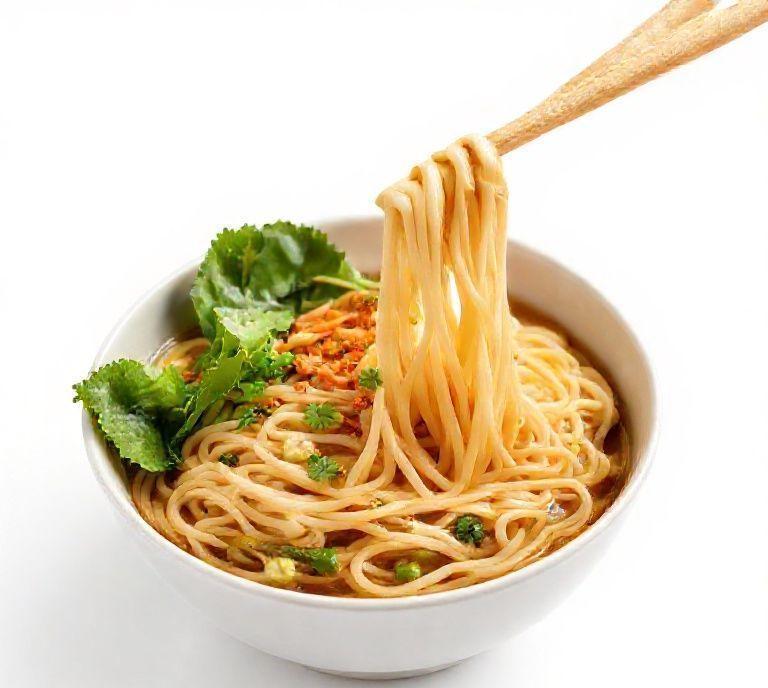
Place the cooked noodles in a bowl. Pour the sauce over the noodles, ensuring they’re well-coated. Top with sautéed mushrooms, crushed peanuts, chopped scallions, and a sprinkle of Sichuan peppercorns for that signature numbing heat. Garnish with fresh cilantro and a drizzle of extra chili oil if you’re feeling adventurous.
-
Serve
Give everything a good toss and dive in. The combination of textures-from the creamy sauce to the crunchy peanuts and tender mushrooms-will have you hooked from the first bite.
Ingredient Science Spotlight
Now, let’s take a moment to break down some of these ingredients and their science.
- Tahini/Peanut Butter: Both of these ingredients are central to creating that creamy, nutty base for the sauce. They’re rich in fats, which are key for emulsifying and binding the sauce together. They also contribute to the dish’s umami, which balances out the sharp acidity of the rice vinegar and the heat from the chili paste.
- Soy Sauce: This salty, savory ingredient is essential to providing the deep umami that Dan Dan noodles are known for. The fermentation process of soybeans breaks down proteins into amino acids like glutamate, which triggers the umami receptors in your taste buds, making everything taste richer.
- Sichuan Peppercorns: These little peppercorns pack a punch. They contain hydroxy-alpha-sanshool, which creates a tingling, numbing sensation on the tongue. It’s like a flavor sensation you can feel-a key part of the Sichuan cuisine experience.
- Chili Paste/Chili Oil: Both of these ingredients add a layer of heat and complexity to the dish. Chili paste often contains fermented beans, which adds an earthy undertone, while chili oil infuses the oil with spicy goodness, giving the dish its signature boldness.
Expert Tips
- Don’t skimp on the sauce: The sauce is the star of the show here, so don’t be afraid to adjust it until it’s just right. Taste and tweak it. You might want more sweetness, more spice, or an extra hit of vinegar for acidity. It’s all about balancing those key elements.
- Use fresh noodles: If you can find fresh noodles (or even make them yourself), do it. They have a slightly chewier texture that adds to the overall experience. But if you’re using dried noodles, make sure they’re cooked al dente to hold up against the sauce.
- Sautéing the mushrooms: For extra flavor, use high heat and let the mushrooms caramelize slightly in the pan. This adds richness and depth, which is especially important when you’re missing the traditional meat topping.
Recipe Variations
- Vegan Version: If you want to make this recipe fully vegan, just swap out the honey or sugar for maple syrup or another plant-based sweetener.
- Add More Veggies: If you’re looking to pack in more veggies, feel free to add sautéed bok choy, spinach, or shredded carrots. These will add color, crunch, and nutrients.
- Spicy Tofu: For a protein boost, crumble some firm tofu and sauté it with a bit of soy sauce and chili oil until crispy. It’ll add texture and make the dish heartier.
Final Words
Dan Dan noodles are the kind of dish that invites you to play with flavors and textures. It’s a celebration of boldness, and when you make it vegetarian, you’re not sacrificing any of that punch. Every bite should be a little kick of heat, a spoonful of creaminess, and a crunch of peanuts-each element working in harmony to create a noodle experience like no other.
Whether you’re making this for a quick weeknight dinner or for a special occasion, the balance of flavors in this dish will transport you right back to the streets of Chengdu. It’s a reminder that sometimes, the simplest ingredients-when combined thoughtfully-can create something truly extraordinary.
FAQs
What Ingredients Are Essential For Making A Vegetarian Version Of Dan Dan Noodles?
A vegetarian dan dan noodles recipe typically requires ingredients such as wheat noodles, sesame paste or tahini, soy sauce, chili oil, garlic, ginger, scallions, and a vegetable-based broth. To add texture and protein, you can include tofu, mushrooms, or other plant-based protein sources. Peanuts or sesame seeds are often added for garnish and crunch.
How Can I Make The Sauce For Vegetarian Dan Dan Noodles Flavorful Without Using Meat?
To create a rich and flavorful sauce without meat, combine sesame paste or tahini, soy sauce, rice vinegar, chili oil, minced garlic, grated ginger, and a touch of sugar. Using vegetable broth as a base adds depth, and adding sautéed mushrooms or fermented black beans can enhance umami. Adjust the spiciness by varying the amount of chili oil or adding Sichuan peppercorns.
Can I Prepare Vegetarian Dan Dan Noodles In Advance?
Yes, you can prepare components in advance. Cook the noodles and refrigerate separately to prevent sogginess. The sauce can be made and stored in an airtight container for several days. Before serving, reheat the noodles briefly and toss them with the sauce and fresh garnishes such as chopped scallions or crushed peanuts. However, it is recommended to combine the sauce and noodles just before eating to maintain texture and freshness.