Cooking is something I’ve always found to be a blend of art and science, and there’s something incredibly rewarding about crafting a meal that both nourishes and satisfies. The process itself can be meditative, a way to tune out the noise of the day and focus on the rhythm of chopping, stirring, and tasting. One of my favorite types of meals to make-especially when I’m in need of comfort or something quick-is pasta. It’s easy, it’s versatile, and it always feels like home. Today, I want to share a simple yet delightful vegetarian pasta dinner recipe that has become a staple in my kitchen. It’s the kind of dish that you can whip up when you’re craving something hearty without needing hours to spend in the kitchen. It’s colorful, flavorful, and healthy. Plus, it’s a recipe that can be personalized to suit your mood or what’s available in your pantry. So, let’s dive in!
Vegetarian Pasta Dinner Recipe
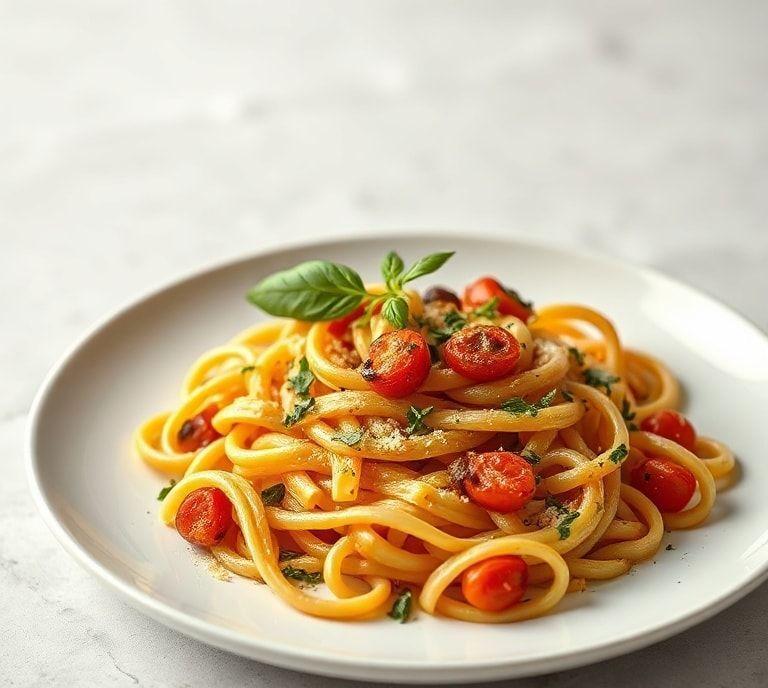
Let’s talk about a dish that can be your go-to for a cozy weeknight or even an impromptu dinner party: a creamy, veggie-packed pasta. The key here is to let the vegetables shine-there’s no need for heavy cream or too many added fats to make it feel indulgent. The combination of roasted vegetables, garlic, and olive oil creates a natural richness that pairs beautifully with your favorite pasta. I often toss in whatever vegetables I have on hand-zucchini, bell peppers, spinach, or cherry tomatoes-each one adding its own touch.
I’ve made this dish countless times, and it’s never been the same twice. Sometimes I’ll roast the veggies with a little balsamic vinegar for a tangy kick, other times I’ll go for something a little sweeter with maple syrup and a pinch of cinnamon. It’s that flexibility that makes this dish such a winner in my book. It’s all about finding what flavors you love, and working them into the pasta dish.
Ingredients Needed
To make this vegetarian pasta dinner, you’ll need some basic ingredients that you probably already have in your kitchen. The beauty of this recipe is that it’s made from pantry and fridge staples-nothing too fancy, just fresh, wholesome ingredients. Here’s the list:
- Pasta (spaghetti, penne, or farfalle work best)
- Olive oil (extra virgin, for richness)
- Garlic (about 4 cloves, finely chopped)
- Zucchini (one medium, diced)
- Cherry tomatoes (a pint, halved)
- Bell peppers (any color, diced)
- Spinach (about two cups of fresh spinach)
- Parmesan cheese (optional, but highly recommended for a touch of creaminess)
- Fresh basil (a handful, for garnish)
- Lemon (for zest and a squeeze of juice)
- Salt and pepper (to taste)
- Red pepper flakes (optional, for a little heat)
Note: Feel free to experiment with other vegetables like eggplant, mushrooms, or even roasted carrots. The versatility of this dish is one of its best qualities.
Cooking Instructions
Now comes the fun part-cooking! I’ve always found that getting the right balance between roasting the veggies and cooking the pasta is key to bringing everything together. Here’s how I go about it:
- Preheat your oven to 400°F (200°C). This gives the vegetables the perfect roasting time to become tender and caramelized. I love the way roasting draws out the natural sweetness of the veggies, especially the zucchini and bell peppers.
- Prep the vegetables: Toss your diced zucchini, halved cherry tomatoes, and bell peppers in a drizzle of olive oil, a pinch of salt, and a few cracks of black pepper. Spread them evenly on a baking sheet and pop them in the oven. Roast for about 20-25 minutes, or until they’re soft and a little charred. You’ll smell them long before they’re done-trust me, it’s heaven.
- Boil the pasta: While your veggies are roasting, bring a large pot of salted water to a boil. Add your pasta and cook it according to the package instructions, usually 8-10 minutes for al dente. Once done, reserve about a cup of pasta water before draining.
- Sauté garlic and spinach: In a large pan, heat a couple tablespoons of olive oil over medium heat. Add the chopped garlic and sauté until fragrant, about 1-2 minutes. Then add your spinach and cook it down until wilted, about 3 minutes. I love how spinach wilts so quickly, turning into this silky green bed for all the flavors to sit in.
- Combine it all: When your pasta is cooked and the veggies are roasted, toss the pasta into the pan with the spinach and garlic. Add the roasted vegetables and gently stir to combine. If it feels a little dry, splash in some reserved pasta water until you get the perfect creamy consistency. Add a squeeze of lemon juice and zest for brightness, and season with salt, pepper, and red pepper flakes to taste.
- Serve and garnish: Plate the pasta and sprinkle generously with freshly grated Parmesan and basil leaves. If you like a bit of extra richness, drizzle with more olive oil or top with a dollop of ricotta cheese.
Ingredient Science Spotlight
Each ingredient in this dish brings something unique to the table-not just flavor, but also nutritional benefits. For example:
- Olive oil: Packed with heart-healthy fats, olive oil not only enhances the flavor of the vegetables, but it also helps with nutrient absorption, particularly the fat-soluble vitamins like vitamins A, D, E, and K that come from the vegetables.
- Garlic: This little powerhouse is more than just aromatic-it has compounds like allicin that may have anti-inflammatory and immune-boosting properties.
- Spinach: A green superfood, spinach is loaded with iron, folate, and vitamin K, making it excellent for bone health and energy production. Plus, it’s high in fiber, which supports digestion.
- Tomatoes: With their vibrant red color, tomatoes are rich in lycopene, an antioxidant that has been linked to reduced risk of certain cancers and heart disease.
- Parmesan: The umami factor in Parmesan comes from its high glutamate content, which naturally enhances the savory flavor of the dish while offering a good source of calcium and protein.
Expert Tips
- Don’t Overcook the Veggies: It’s tempting to let the vegetables sit in the oven for longer, but the key is to roast them just long enough to bring out their sweetness without drying them out.
- Reserve Pasta Water: This tip is a game-changer. The starchy pasta water adds creaminess and helps bind the sauce to the pasta. If you forget, don’t worry-just use regular water and a little more olive oil to make up for it.
- Balance the Flavors: Don’t skip the lemon. It brightens the dish and cuts through the richness of the olive oil and Parmesan, adding depth without overpowering the other ingredients.
- Customize It: Add your favorite vegetables, or mix in protein like chickpeas or tofu for a more filling dish. Swap out the Parmesan for nutritional yeast if you’re going for a vegan version.
Recipe Variations
This pasta dish is incredibly adaptable. You can:
- Add protein: Toss in grilled chicken, roasted chickpeas, or even sautéed tofu for a more substantial meal.
- Use different herbs: Try fresh thyme, rosemary, or even sage for a slightly earthy twist.
- Change up the cheese: If Parmesan isn’t your thing, try goat cheese for a creamy texture or pecorino for a sharper, more tangy flavor.
Final Words
One of the things I love most about this pasta recipe is how forgiving it is. The method is straightforward, but there’s plenty of room to adjust the flavors to match whatever you’re craving. Whether you want to amp up the spice, or make it extra cheesy, the choice is yours. And while it’s simple enough for a weeknight dinner, it also has the flexibility to impress guests when you want to serve something a little more elevated.
FAQs
What Are Some Common Vegetables Used In Vegetarian Pasta Dinner Recipes?
Common vegetables used in vegetarian pasta recipes include bell peppers, zucchini, spinach, mushrooms, tomatoes, onions, eggplant, and broccoli. These ingredients provide rich flavors and textures that complement pasta dishes, often paired with a simple olive oil or tomato-based sauce.
Can I Make A Vegetarian Pasta Dinner Without Cheese?
Yes, you can make a delicious vegetarian pasta dinner without cheese. Many plant-based alternatives exist, such as vegan cheeses made from nuts or soy. Alternatively, you can focus on enhancing the flavor with ingredients like garlic, olive oil, fresh herbs, roasted vegetables, and nutritional yeast to mimic a cheesy taste.
How Can I Add Protein To A Vegetarian Pasta Dinner?
To add protein to a vegetarian pasta dinner, you can include ingredients like chickpeas, lentils, tofu, tempeh, or edamame. Another option is to use meatless meatballs, seitan, or vegan sausage. Nuts and seeds, such as pine nuts or sunflower seeds, can also provide an extra protein boost.