Dumplings have a special place in my heart. There’s something about the process of making them-the folding, the steaming, the anticipation of that first bite-that feels like a slow, meditative dance in the kitchen. My first experience with dumplings was at a cozy little family-run restaurant in the heart of a bustling city, where the warmth of the room and the delicate steam rising from each dumpling made it feel like time itself had slowed down. From that moment, I’ve been hooked on not just eating them, but making them, experimenting with different fillings and doughs, exploring the perfect balance of flavor.
Today, I’m excited to share with you my version of vegetarian steamed dumplings. They’re a perfect mix of textures, with soft, pillowy dough wrapped around a vibrant, satisfying filling. Whether you’re a seasoned dumpling maker or this is your first time rolling out dough, this recipe will guide you through the process, providing little insights along the way to help you feel confident in the kitchen.
Vegetarian Steamed Dumplings Recipe
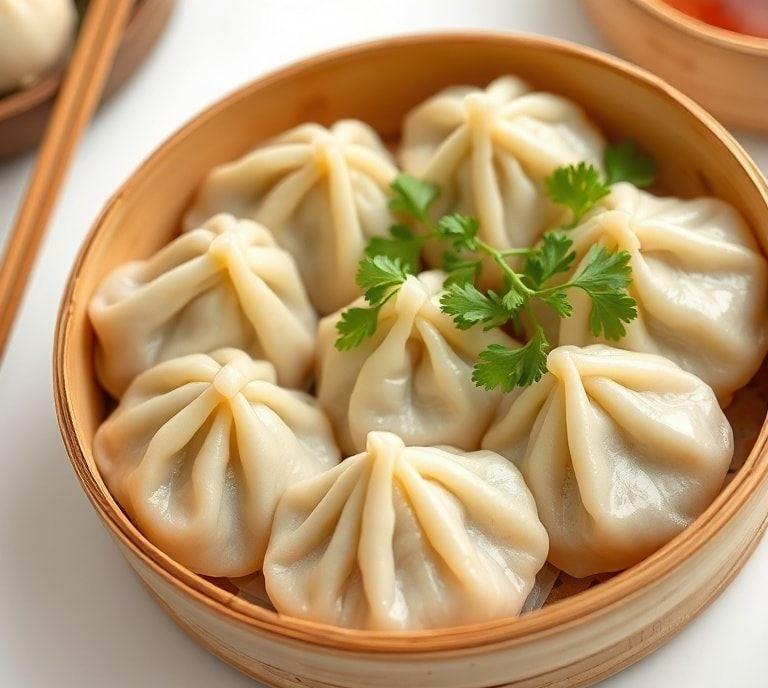
Making dumplings is a bit like putting together a puzzle-the dough, the filling, the technique-each piece is important, and when it all comes together, the result is beautiful. My vegetarian steamed dumplings feature a savory combination of mushrooms, cabbage, carrots, and a bit of ginger, all wrapped in a delicate dough. It’s one of those recipes you can easily customize, so I’ve included some tips and variations for making it your own.
Ingredients Needed
To make these vegetarian steamed dumplings, you’ll need a few key ingredients, which are easy to find at most grocery stores or your local Asian market. Here’s what you’ll need:
- Dumpling wrappers: You can buy these pre-made (trust me, it’s a lifesaver) or make them yourself if you’re up for the challenge. I usually buy the thin, round ones that are perfect for steaming.
- Mushrooms (shiitake or cremini): Mushrooms give the dumplings that rich, meaty texture. They also absorb the flavors of the filling, creating an umami-packed bite.
- Cabbage: Cabbage adds a nice crunch and sweetness. It also helps to balance out the mushrooms and carrots, creating a lighter filling.
- Carrots: They bring a pop of color and a subtle sweetness that complements the other vegetables.
- Ginger: A little fresh ginger goes a long way in brightening up the flavor and giving the dumplings a refreshing bite.
- Garlic: Garlic is essential for adding depth to the filling. I tend to use a generous amount for that savory kick.
- Soy sauce: For seasoning, soy sauce is a must. It gives the dumplings that savory, salty punch.
- Sesame oil: A touch of sesame oil adds a nice fragrance and a hint of nuttiness to the filling.
- Cornstarch: You’ll need this for thickening the filling a little, so it doesn’t become too watery during steaming.
Cooking Instructions
- Prepare the filling: Start by finely chopping the mushrooms, cabbage, and carrots. You want them to be small enough so they’ll cook quickly and fit neatly inside the dumpling wrapper. Place all the chopped vegetables in a bowl.
- Sauté the filling: Heat a little oil in a pan over medium heat. Add the garlic and ginger and sauté for about a minute, just until fragrant. Then, add the mushrooms and cook until they release their moisture and start to brown, about 5 minutes. Add the cabbage and carrots and sauté for another 3-4 minutes until they soften. Season with soy sauce, sesame oil, and a pinch of salt. Stir everything together, then sprinkle in a little cornstarch to bind the filling. Allow it to cool before wrapping.
- Assemble the dumplings: Place a spoonful of the cooled filling in the center of each dumpling wrapper. Be careful not to overfill, or they might burst open while steaming. Wet the edges of the wrapper with a little water, then fold the dumpling in half, pinching the edges together to seal. You can pleat the edges if you like, but it’s not necessary. Just make sure they’re sealed tightly.
- Steam the dumplings: Line a bamboo steamer (or any steamer you have) with parchment paper or cabbage leaves to prevent sticking. Arrange the dumplings in a single layer, leaving space between each one. Steam the dumplings over boiling water for about 10-12 minutes, or until the wrappers are soft and slightly translucent.
- Serve: Once done, serve the dumplings with your favorite dipping sauce (soy sauce with a bit of rice vinegar is a classic, but you can get creative with chili oils or even a little peanut sauce).
Ingredient Science Spotlight
You might be wondering, "What makes these ingredients so special?" Let’s break down a few:
- Mushrooms: Beyond their rich, earthy flavor, mushrooms are a powerhouse when it comes to nutrition. They’re high in fiber, antioxidants, and essential vitamins like B and D. Shiitake mushrooms, in particular, are known for their immune-boosting properties. Plus, they’re perfect for creating that meaty texture in vegetarian dishes.
- Cabbage: Cabbage is packed with vitamin C and fiber, both of which are great for digestion and overall health. It’s also low in calories, making it a great vegetable to bulk up a filling without adding too much heft.
- Sesame oil: This ingredient doesn’t just add flavor; it also has anti-inflammatory properties, thanks to the presence of sesamol and sesamin, compounds that give sesame oil its distinctive nutty taste and health benefits. A little goes a long way in adding depth to your dish.
Expert Tips
- Don’t overfill: As tempting as it might be to stuff your dumplings to the brim, be careful. Overfilled dumplings are more likely to burst open while steaming. Plus, you want to ensure the filling is evenly distributed for the best flavor balance in every bite.
- Seal them tightly: Use a little water to moisten the edges of the wrapper to ensure they seal tightly. You don’t want any of that delicious filling to escape during steaming.
- Get creative with dipping sauces: While soy sauce and rice vinegar are classic, you can experiment with flavors like hoisin sauce, chili paste, or even a homemade peanut dipping sauce to give your dumplings a unique twist.
Recipe Variations
- Tofu: If you like tofu, it can be a great addition to the filling. Simply crumble some firm tofu and mix it into the veggie mixture for added protein and texture.
- Spicy: Want to add a bit of heat? You can mix in some chopped chilies or chili flakes into the filling. A little Sriracha in the dipping sauce wouldn’t hurt either.
- Herbs: Fresh herbs like cilantro or Thai basil can add a bright, fragrant note to the filling. If you’re a fan of herbs, toss in a handful of finely chopped cilantro to the mix.
- Vegan: These dumplings are already vegetarian, but to make them vegan, just be sure to use a vegan-friendly soy sauce and check that the wrappers don’t contain any egg.
Final Words
There’s something deeply satisfying about homemade dumplings-maybe it’s the process, maybe it’s the flavors, or maybe it’s just the joy of sharing them with friends and family. Whatever it is, once you make these vegetarian steamed dumplings, you’ll see why they’ve become a favorite in so many cultures. The possibilities for fillings are endless, and the fun of folding them never gets old.
FAQs
What Ingredients Are Typically Used In Vegetarian Steamed Dumplings?
Vegetarian steamed dumplings usually contain a combination of finely chopped or grated vegetables such as cabbage, carrots, mushrooms, and spinach. Aromatics like garlic, ginger, and green onions enhance the flavor. Tofu or tempeh can be added for protein, and seasonings such as soy sauce, sesame oil, salt, and pepper help bring the filling together. Dumpling wrappers are typically made from wheat flour and water, though store-bought options are widely available.
How Do You Prevent Vegetarian Dumplings From Sticking To The Steamer?
To prevent dumplings from sticking, line the steamer basket with parchment paper, cabbage leaves, or a light layer of oil. Make sure to leave some space between each dumpling, as they can expand slightly while cooking. Using a bamboo steamer or a non-stick steaming tray helps maintain the shape and texture. Additionally, lightly dusting the dumplings with flour before placing them in the steamer can reduce sticking.
Can Vegetarian Steamed Dumplings Be Frozen, And How Should They Be Cooked From Frozen?
Yes, vegetarian steamed dumplings freeze very well. To freeze, arrange the uncooked dumplings on a tray without touching each other and freeze until solid. Once frozen, transfer them to an airtight container or freezer bag. When ready to cook, steam them directly from frozen for about 8-12 minutes, depending on size, until the wrappers become translucent and the filling is heated through. Avoid thawing before steaming, as this can make the dumplings sticky or cause them to break apart.