When it comes to comfort food, there’s something undeniably warm and satisfying about a freshly baked carrot cake. It’s the kind of treat that evokes memories of family gatherings, cozy afternoons, and the simple joy of sharing a homemade dessert. Carrot cake, with its tender crumb and sweet-spicy flavor, has stood the test of time as a beloved dessert across generations. But what if you’re looking to make a more mindful, vegetarian version of this classic treat, without sacrificing that rich flavor and moist texture we all know and love?
This carrot cake recipe is not just about swapping ingredients-it’s about rethinking how we enjoy a beloved tradition, giving it a healthier and still indulgent twist. Whether you’re a seasoned baker or a newcomer to the world of cake-making, I promise this recipe will feel like a breeze. And, unlike some recipes that leave you feeling like you’ve crossed into a complex, professional baking territory, this one keeps things simple, yet delivers a beautifully textured, flavorful result.
Let’s dive into the heart of it: the cake, the ingredients, the science behind them, and a few expert tips to make sure every slice is as good as the last.
Carrot Cake Vegetarian Recipe
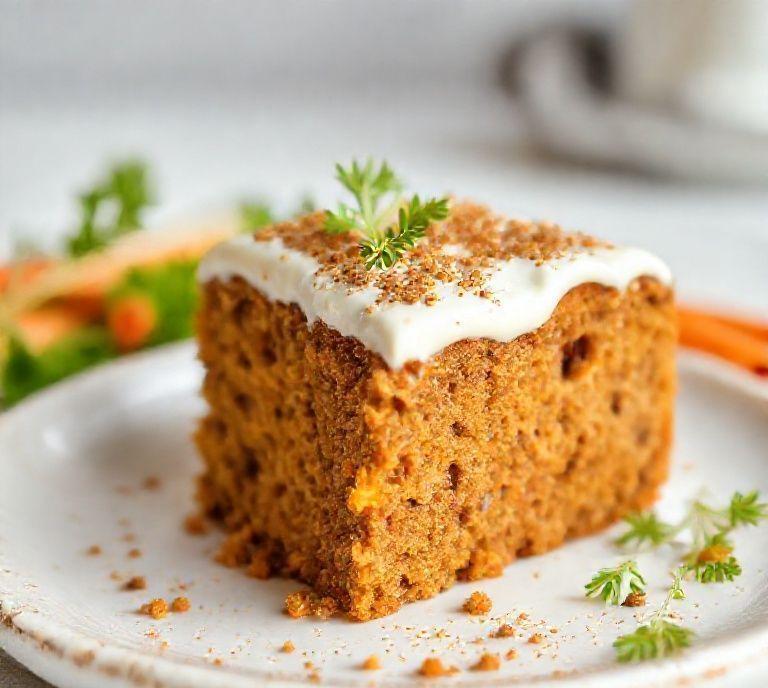
This recipe is designed to be light, moist, and rich in flavor, featuring an array of plant-based ingredients that will have you second-guessing whether it’s really vegetarian! The sweetness from the carrots blends beautifully with warm spices like cinnamon and nutmeg, while a handful of walnuts adds a bit of texture and nutty flavor. Whether you’re baking this for a holiday celebration, a weekend treat, or simply because you want a slice of something comforting, this vegetarian carrot cake will deliver every time.
Ingredients Needed
Before diving into the mixing bowl, it’s essential to gather all the right ingredients. I always find it helpful to have everything prepped and measured out before starting-there’s something so calming about knowing exactly where each ingredient fits into the recipe. Here’s what you’ll need for this delicious vegetarian carrot cake:
- 2 cups all-purpose flour: This is the foundation of the cake. You can experiment with whole wheat or gluten-free flour if you prefer a healthier or gluten-free alternative, but all-purpose flour gives you that classic texture.
- 2 teaspoons baking powder: This ensures your cake rises and stays light and fluffy.
- 1/2 teaspoon baking soda: A key player in the texture, it reacts with the acid in the vinegar to help the cake rise.
- 1 1/2 teaspoons ground cinnamon: This is the signature spice in a carrot cake. It brings warmth and depth.
- 1/2 teaspoon ground nutmeg: A little goes a long way, adding a hint of nutty warmth.
- 1/2 teaspoon salt: It’s surprising how much this enhances all the flavors.
- 3/4 cup sugar: I typically go for granulated sugar for sweetness, but feel free to try coconut sugar for a slightly caramel-like flavor.
- 1/4 cup brown sugar: Adds a deeper, molasses flavor that complements the cinnamon.
- 1 cup vegetable oil: The oil keeps the cake incredibly moist, which is a hallmark of a great carrot cake.
- 4 large eggs: A crucial ingredient for binding and structure. They also add moisture.
- 1 teaspoon vanilla extract: For that perfect note of aromatic sweetness.
- 2 cups finely grated carrots: This is the main event! Freshly grated carrots are key to a moist and flavorful cake.
- 1/2 cup chopped walnuts: Optional, but I love the crunch and the earthy flavor they bring.
- 1/2 cup raisins: Another optional addition, but the raisins offer a bit of chewiness and extra sweetness.
For the frosting (because let’s be honest, carrot cake isn’t complete without that luscious cream cheese frosting!):
- 8 oz cream cheese, softened: This adds the signature tanginess and richness to the frosting.
- 1/4 cup unsalted butter, softened: This gives the frosting the smooth, spreadable texture.
- 1 1/2 cups powdered sugar: For that perfect, sweet finish.
- 1 teaspoon vanilla extract: Again, a bit of vanilla adds that extra depth of flavor.
- Pinch of salt: It’s surprising how a little salt can balance out the sweetness of the frosting.
Cooking Instructions
The process for making this carrot cake is both simple and satisfying. I always start by preheating the oven to 350°F (175°C) so it’s ready to go when the batter is mixed. While that’s heating up, I prepare my cake pans-greasing them with butter and dusting with a little flour to ensure the cake comes out smoothly.
- Mix Dry Ingredients: In a medium bowl, whisk together the flour, baking powder, baking soda, cinnamon, nutmeg, and salt. Set this aside for now.
- Mix Wet Ingredients: In a large mixing bowl, combine the granulated sugar, brown sugar, and vegetable oil. Use a whisk to blend it all together until it’s smooth. Add the eggs one at a time, mixing after each addition. Stir in the vanilla extract.
- Combine Wet and Dry: Gradually add the dry ingredients into the wet mixture. Stir gently until everything is well incorporated. You don’t want to over-mix, as this can make the cake dense.
- Add Carrots and Extras: Fold in the grated carrots, walnuts, and raisins (if using). The batter should be thick but moist.
- Bake: Pour the batter into your prepared cake pans. Bake for 30-35 minutes, or until a toothpick comes out clean when inserted into the center of the cake. The cake will rise beautifully, and the house will start to smell like a dream.
- Cool: Let the cakes cool in the pans for about 10 minutes before transferring them to a wire rack to cool completely.
- Frosting: While the cake cools, make the frosting. Beat together the softened cream cheese and butter until creamy. Gradually add powdered sugar, vanilla, and salt. Continue to beat until smooth and fluffy.
- Assemble: Once the cakes are completely cool, spread a generous layer of frosting between the two layers of cake. Frost the top and sides, and feel free to sprinkle some extra walnuts or a dusting of cinnamon on top for that final flourish.
Ingredient Science Spotlight
Carrot cake is a fascinating recipe when you dive into the science behind it. Each ingredient plays a critical role in creating that perfect balance of flavor and texture. Take the carrots, for instance. Their moisture and natural sugars not only give the cake a tender crumb, but they also help it stay moist for days (if it lasts that long!). The oils in the cake help create a soft texture, while the sugars caramelize as the cake bakes, deepening the flavor.
The combination of baking powder and baking soda is another interesting point. The baking soda reacts with the acid in the vinegar or buttermilk to create carbon dioxide bubbles, which helps the cake rise. Meanwhile, the baking powder works to provide extra lift, making sure the cake doesn’t end up dense.
And of course, the cream cheese frosting-what’s a carrot cake without it? The tang of the cream cheese complements the sweet cake perfectly, while the butter in the frosting creates a smooth and indulgent texture.
Expert Tips
- Use Fresh Carrots: Freshly grated carrots will make a huge difference in both flavor and texture. If you use pre-grated carrots, they tend to be drier and might not yield the same moist cake.
- Don’t Overmix: Once you combine the wet and dry ingredients, mix just until everything is incorporated. Overmixing can lead to a dense, tough cake.
- Chill Your Frosting: If your frosting feels too soft or runny, refrigerate it for 20-30 minutes before frosting the cake. This helps it set and stay smooth.
- Optional Add-ins: If you like a little extra flavor or texture, consider adding shredded coconut, chopped pecans, or even pineapple for a tropical twist.
Recipe Variations
- Vegan Carrot Cake: Swap the eggs for flax eggs (1 tablespoon ground flaxseed mixed with 3 tablespoons water for each egg), and use a dairy-free cream cheese alternative for the frosting.
- Gluten-Free Carrot Cake: Use a gluten-free flour blend instead of all-purpose flour. You may need to add a bit more moisture if the batter feels too dry.
- Spiced Carrot Cake: Add ground ginger or cloves to enhance the spiciness of the cake. A pinch of allspice can also work wonders.
- Naked Cake: For a rustic look, spread just a thin layer of frosting on the top and sides, allowing the layers of cake to peek through.
Final Words
Carrot cake is one of those recipes that, with a little care and attention, can be adapted in so many ways to suit your tastes. Whether you keep it traditional, or go off on a tangential twist, it’s always going to be a winner. And, with this vegetarian version, you’ll be able to savor the cake with a little more peace of mind, knowing it’s as wholesome as it is delicious.
FAQs
Can I Make A Carrot Cake Vegetarian Recipe Without Eggs?
Yes, you can make a vegetarian carrot cake without eggs by using egg substitutes. Common options include mashed bananas, unsweetened applesauce, flaxseed meal mixed with water (1 tablespoon flaxseed meal + 3 tablespoons water equals one egg), or a commercial egg replacer. These substitutes will help bind the ingredients while keeping the cake moist and flavorful.
Is It Necessary To Use Dairy In A Vegetarian Carrot Cake Recipe?
No, it is not necessary to use dairy in a vegetarian carrot cake recipe. You can substitute dairy ingredients like milk, butter, and cream cheese with plant-based alternatives. For milk, use almond, soy, or oat milk. For butter, you can use vegan butter or coconut oil. For the cream cheese frosting, opt for a dairy-free cream cheese alternative to keep the recipe fully vegetarian and dairy-free.
What Can I Add To Enhance The Flavor Of A Vegetarian Carrot Cake Recipe?
To enhance the flavor of a vegetarian carrot cake, consider adding ingredients like ground cinnamon, nutmeg, or ginger for a warm, spiced profile. Chopped nuts such as walnuts or pecans add texture and richness. You can also mix in raisins, shredded coconut, or pineapple for added sweetness and moisture. A dash of vanilla extract can round out the flavors and make the cake even more aromatic.