If you’ve ever wandered through a bustling market in the heart of a Chinese city, you know the unmistakable scent of freshly steamed dumplings and wontons hanging in the air. The warm embrace of those savory flavors seems to encapsulate the very essence of comfort. But what if you’re someone who doesn’t eat meat? Or maybe you’re just craving a lighter, veggie-packed version of the classic wonton that still delivers all the satisfying flavors? That’s where this recipe comes in.
Wontons have always been a favorite of mine. Growing up, my family would often make batches together during the colder months-those long weekends when everyone had time to get their hands messy and share stories around the kitchen table. What I love about wontons is their versatility: you can stuff them with anything from shrimp and pork to mushrooms and greens. For me, though, there’s something especially comforting about a vegetarian version, packed with earthy mushrooms, crunchy water chestnuts, and a light but flavorful filling that feels like a celebration of simple, wholesome ingredients.
In this recipe, we’re not just making wontons. We’re putting together a dish that brings together textures and flavors in a way that feels both familiar and refreshing. Plus, it’s quick to make and perfect for both cozy nights in and for impressing guests at your next gathering. So roll up your sleeves and let’s dive in!
Vegetarian Wonton Recipe
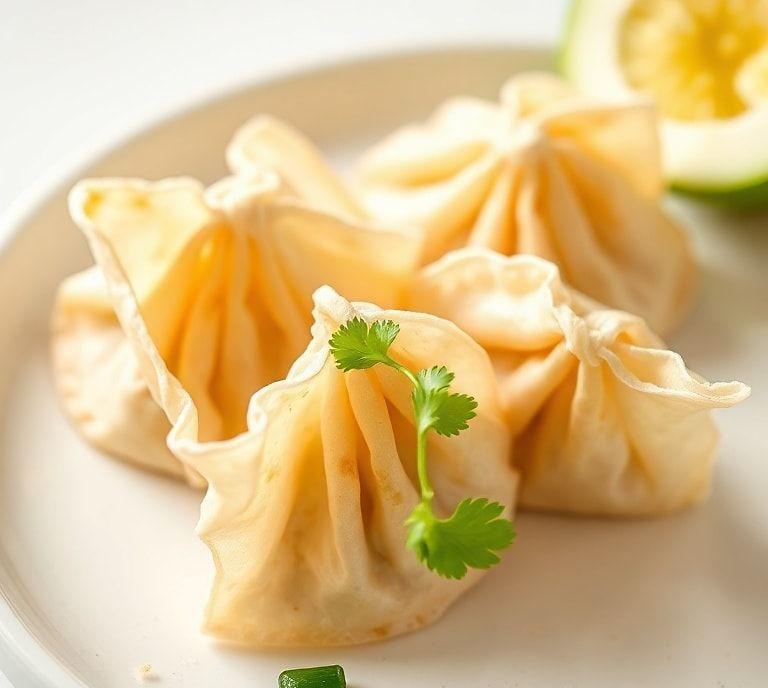
There’s a beautiful simplicity to the process of making vegetarian wontons. You’re essentially stuffing a delicate wrapper with a flavorful mix of vegetables, folding it into the perfect little purse, and then either frying or steaming them to crispy, golden perfection. The trick is getting the filling balance just right-tender yet with enough bite-and making sure the wrappers don’t get soggy in the cooking process.
Ingredients Needed
For the wontons, you’ll need:
- Wonton wrappers – Available at most grocery stores or Asian markets, these thin sheets of dough are what hold everything together.
- Mushrooms – I use a mix of shiitake and cremini mushrooms. The umami depth they bring to the filling is unmatched, and they hold moisture well without getting soggy.
- Water chestnuts – For crunch. These add texture and a light sweetness, which contrasts beautifully with the earthy mushrooms.
- Carrot – Finely chopped for some subtle sweetness and a little color.
- Green onions – These bring a sharp, fresh note that brightens up the earthy filling.
- Garlic & ginger – They add that unmistakable fragrance that makes all Asian dishes come alive.
- Soy sauce & sesame oil – For seasoning and that deep umami flavor we all crave.
- Tofu (optional) – If you like, you can add tofu for extra protein, though it’s entirely optional.
Cooking Instructions
-
Prepare The Filling
Start by finely chopping your mushrooms, carrots, and water chestnuts. The key to a good wonton is making sure the vegetables are chopped small enough so they fit neatly inside the wrapper, but not so small that they become a paste. I like to sauté them in a little sesame oil first to draw out their flavors-this also helps remove excess moisture from the mushrooms. Toss in the garlic, ginger, green onions, and soy sauce, and cook until everything is tender but still has some texture. If you’re using tofu, crumble it in at this point.
-
Assemble The Wontons
Lay out your wonton wrappers on a clean surface. Place a spoonful of the filling in the center of each wrapper. You don’t want to overfill them-just a teaspoon or so. Wet the edges of the wrapper with a little water, fold it into a triangle or a small pouch, and press to seal. Make sure there are no air pockets, as they can cause the wontons to burst open during cooking.
-
Cook The Wontons
Now, there are two main ways to cook them: steaming or frying.
- Steaming: Set a bamboo steamer over a pot of simmering water (or use a metal steamer if you have one). Place the wontons in the steamer, making sure they don’t touch each other. Cover and steam for about 6-8 minutes, or until the wrappers become translucent and the filling is piping hot.
- Frying: If you prefer crispy wontons, heat a small amount of oil in a pan over medium heat. Fry the wontons, a few at a time, until they’re golden brown and crispy on both sides (about 2-3 minutes per side).
-
Serve
Serve your wontons with a simple dipping sauce made from soy sauce, rice vinegar, and a dash of chili oil. Or, if you prefer something lighter, you can pair them with a clear broth or even toss them in a sesame ginger dressing for extra flavor.
Ingredient Science Spotlight
The magic of this recipe lies in the combination of flavors and textures, many of which come from the unique properties of the ingredients themselves.
- Mushrooms: Not only are they incredibly versatile, but they are also rich in umami, which gives the wontons a deep, savory flavor. Mushrooms contain glutamates, which are natural flavor enhancers, making them the perfect substitute for meat. Shiitake mushrooms, in particular, bring a smoky undertone, while cremini mushrooms add earthiness.
- Water chestnuts: These crunchy little gems add texture without overpowering the dish. They are packed with water, which means they offer a slight sweetness and balance out the more savory components in the filling.
- Sesame oil: This ingredient is a powerhouse in terms of both flavor and aroma. It’s rich in antioxidants, and when you heat it up, it imparts a beautiful toasted flavor that elevates simple dishes like wontons.
- Tofu: Though it’s optional, tofu is a fantastic protein addition. It’s made from soybeans, which are packed with essential amino acids and provide a soft, creamy texture that contrasts with the crunchy water chestnuts and the tender mushrooms.
Expert Tips
- Don’t overstuff the wrappers: This is a common mistake. If the wontons are too full, they’ll tear when folding, or the filling will spill out during cooking.
- Keep the filling dry: Mushrooms release water when cooked, which can make your wontons soggy. To avoid this, make sure to cook the filling until the moisture evaporates. You can also squeeze out any excess water from the tofu if you’re using it.
- Seal the edges well: After folding the wonton, run your finger around the edge of the wrapper with a little water to ensure the seal is tight. This is the difference between having wontons that stay intact or ones that burst open in the pot.
- Make a double batch: Wontons freeze beautifully. After assembling, you can freeze them on a baking sheet before transferring them to a zip-top bag. When you’re ready, just steam or fry from frozen-no need to thaw.
Recipe Variations
- Spicy kick: Add some finely chopped chili peppers or a dash of sriracha to the filling for a spicy version.
- Add greens: Try incorporating some finely chopped spinach or bok choy into the filling for an extra layer of flavor and a boost of vitamins.
- Vegan dip: If you’re vegan, make a dipping sauce using tamari (instead of soy sauce) and maple syrup for sweetness, paired with a bit of ginger and garlic.
Final Words
Wontons are a celebration of the small, simple things in life. The soft wrappers, the savory filling, and the joy of wrapping them up in neat little parcels. There’s a reason they’ve been around for centuries, passed down through families and kitchens around the world. And this vegetarian version, full of vibrant flavors, is just one of the many ways to experience that joy. Whether you’re cooking for yourself or sharing with loved ones, there’s something deeply satisfying about a dish you can both prepare and enjoy together.
FAQs
What Are The Key Ingredients In A Vegetarian Wonton Filling?
The key ingredients for a vegetarian wonton filling typically include finely chopped vegetables such as cabbage, mushrooms, carrots, and spinach. Tofu or cream cheese can be used for a creamy texture, while ginger, garlic, soy sauce, and sesame oil add depth of flavor. You can also include some chopped onions and a bit of chili for a spicy kick.
How Do You Fold Vegetarian Wontons Correctly?
To fold vegetarian wontons, place a small spoonful of the filling in the center of a wonton wrapper. Wet the edges of the wrapper with a little water to help seal it. Then, fold the wrapper in half to form a triangle, pressing to remove any air pockets. To shape them into the traditional wonton shape, bring the two opposite corners of the triangle together and pinch them to seal. You can also leave them in the triangle shape if preferred.
Can Vegetarian Wontons Be Made In Advance And Frozen?
Yes, vegetarian wontons can be made in advance and frozen. After assembling the wontons, arrange them on a baking sheet in a single layer and freeze them for a couple of hours. Once frozen, transfer them to a freezer bag or airtight container for long-term storage. To cook, simply boil or steam them straight from the freezer, adding a minute or two to the cooking time.