When you think about a comfort food that wraps you in warmth and flavor, something like bao buns probably comes to mind. But have you ever tried making them at home? I remember the first time I tried making vegetarian bao, thinking I’d be in for a complicated mess, but it turned out to be one of those kitchen experiments that went so right, I couldn’t stop making them for weeks.
Vegetarian bao buns are more than just a meal – they’re a celebration of flavors and textures, a playful combination of soft, pillowy dough filled with vibrant, savory goodness. And while they’re typically associated with Chinese cuisine, bao buns have become a global favorite. Whether you’re craving a bite for lunch, dinner, or even a weekend snack, they’re versatile, satisfying, and surprisingly simple to make once you know the ropes.
So, let’s dive into the heart of this deliciousness and break it down. We’re going to make these bao buns come to life in your kitchen, from the first rise to the final bite.
Bao Vegetarian Recipe
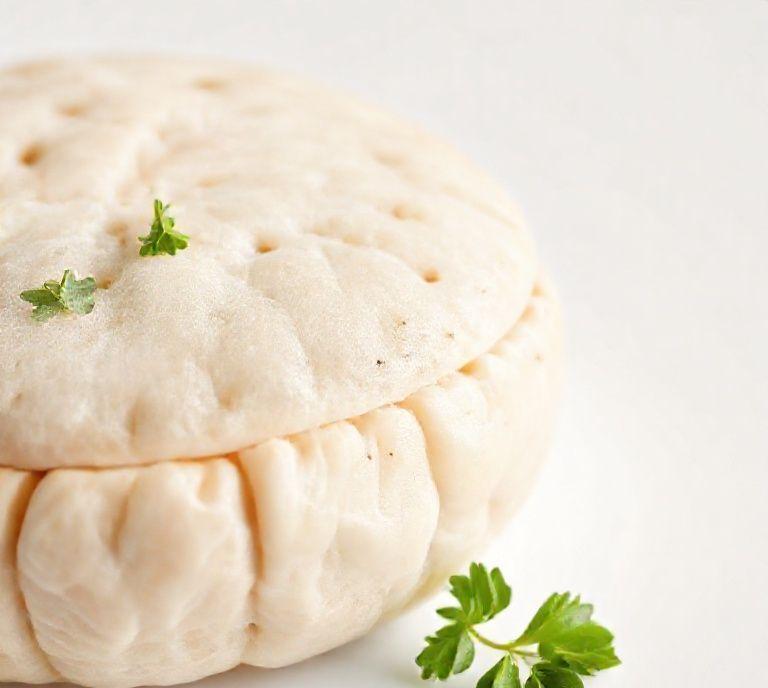
Now, there are plenty of ways to make bao buns – some people prefer to go all out with a mix of exotic fillings, while others keep it simple with some vegetables and tofu. But for this vegetarian recipe, we’re going for a filling that’s flavorful and satisfying without being overwhelming. The focus here is on balance: soft buns, crispy vegetables, and a rich, savory sauce.
What I love most about bao buns is how they balance contrasting textures. The dough is fluffy, almost like a soft pillow, while the filling is crunchy, chewy, and packed with savory goodness. It’s the kind of food that invites you to savor each bite, letting the flavors unfold slowly.
This recipe will take a little time to prep and cook, but trust me, the effort is worth every second. Plus, once you’ve mastered the basics, you’ll be able to get creative and change things up to suit your tastes.
Ingredients Needed
Here’s everything you’ll need for the bao buns and filling:
For The Bao Dough
- 2 cups all-purpose flour
- 1 tablespoon sugar
- 1 teaspoon instant yeast
- 1/2 teaspoon baking powder
- 1/4 teaspoon salt
- 3/4 cup warm water
- 1 tablespoon vegetable oil
For The Filling
- 1 cup shiitake mushrooms, finely sliced
- 1/2 cup cabbage, thinly shredded
- 1 medium carrot, julienned
- 1/2 cup firm tofu, pressed and cubed
- 2 tablespoons soy sauce
- 1 tablespoon hoisin sauce
- 1 tablespoon rice vinegar
- 1 tablespoon sesame oil
- 1 teaspoon grated ginger
- 1 garlic clove, minced
- Fresh cilantro for garnish
- Sriracha or chili sauce for a spicy kick (optional)
For The Steaming
- Parchment paper or silicone mats
Cooking Instructions
Now for the fun part: actually putting these bao buns together.
-
Make The Dough
- In a large mixing bowl, combine the flour, sugar, yeast, baking powder, and salt. Mix them together to ensure everything’s evenly distributed.
- Gradually add the warm water while mixing with a spoon until the dough starts to come together. The warmth of the water activates the yeast, so it’s key to getting that light, fluffy texture.
- Once the dough forms a ball, add the vegetable oil and knead for about 10 minutes, until the dough is smooth and elastic.
- Cover the dough with a damp cloth and let it rise for about an hour in a warm place, or until it has doubled in size.
-
Prepare The Filling
- While the dough is rising, heat sesame oil in a pan over medium heat. Add the mushrooms, carrots, and cabbage, and sauté them for about 5-7 minutes until they’re tender but still have a slight crunch.
- Add the tofu, garlic, and ginger, and stir well. Let everything cook together for another 2 minutes.
- In a small bowl, whisk together the soy sauce, hoisin sauce, rice vinegar, and a dash of water to make the sauce. Pour it over the vegetables and tofu, stir to coat everything evenly, and let it simmer for a few minutes until the sauce thickens slightly.
-
Shape The Bao
- Once the dough has risen, punch it down to release the air, then divide it into 10 equal pieces. Roll each piece into a ball, then flatten it into a circle about 4 inches in diameter.
- Place a spoonful of the filling in the center of each circle, then fold the edges of the dough over the filling, pinching them together at the top to form a bun. Don’t worry if they’re not perfectly symmetrical – the imperfections add character.
-
Steam The Buns
- Cut out squares of parchment paper (or use silicone mats) and place each bao on a square. This prevents them from sticking during the steaming process.
- Set up a steamer basket or bamboo steamer over boiling water. Arrange the bao buns in the steamer, leaving enough space for them to expand as they cook.
- Steam the buns for about 15-20 minutes, until they’ve puffed up and are cooked through. They should feel light and airy when you gently press on them.
-
Serve And Enjoy
- Garnish the bao buns with fresh cilantro and a drizzle of sriracha (if you like a bit of heat). Serve them warm, and watch as everyone digs in.
Ingredient Science Spotlight
When you dig a little deeper into the ingredients, you start to realize how much thought and care goes into crafting each component of the bao.
Take the flour for instance. The strength of the flour’s gluten gives the dough its structure. Using a soft, all-purpose flour ensures the bao stays light and fluffy, while also allowing for just enough elasticity to keep everything together. The yeast is the magic maker here – it creates air bubbles, which cause the dough to rise, resulting in the perfect pillow-like texture. The baking powder helps boost this rise, ensuring the bao is nice and fluffy.
When it comes to the filling, the balance of tofu, vegetables, and soy sauce is key to flavor and texture. The tofu provides a subtle, creamy base that absorbs all the savory flavors from the sauce, while the mushrooms bring umami and earthiness. The cabbage and carrots add crunch and freshness, and the hoisin sauce is like the secret ingredient that ties everything together with its sweet, salty, and slightly tangy profile.
Expert Tips
- Perfect Dough: If your dough is too sticky to handle, don’t be afraid to add a little more flour, but be careful not to overdo it. The dough should be soft but not tacky.
- Press the Tofu Well: For a firmer texture, press the tofu for at least 15-20 minutes before using it. This helps remove excess water and allows the tofu to absorb the flavors better.
- Steam in Batches: If you have a smaller steamer, don’t overcrowd the bao. Give them space so they can expand without sticking to each other.
- Make Ahead: Bao dough can be made a day ahead and stored in the fridge for slower fermentation, which actually improves the flavor of the dough.
Recipe Variations
One of the best things about bao is how easily you can customize them. Here are a few fun twists you might want to try:
- Mushroom Bao: Go heavier on the mushrooms and add different types (shiitake, oyster, or cremini) for more depth of flavor.
- Spicy Tofu Bao: Add a bit of extra heat by tossing the tofu in chili oil or crushed red pepper flakes before cooking.
- Pickled Veggie Bao: Replace some of the fresh veggies with quick-pickled cucumbers or radishes for an extra tangy bite.
Final Words
Making bao buns at home is definitely an effort, but the satisfaction of pulling off that perfect fluffy bun, filled with the ideal balance of flavors, is like nothing else. Whether you’re new to cooking or a seasoned pro, these bao will make you feel like a culinary artist in your own kitchen.
Bao buns are a conversation starter, a treat to share with friends, or even a fun family cooking night. The beauty of this recipe is that it’s infinitely adaptable, yet always satisfying. With just a few ingredients and some careful attention, you can bring the comforting flavors of bao straight into your home.
FAQs
What Ingredients Are Commonly Used In A Vegetarian Bao Recipe?
Vegetarian bao typically include a combination of vegetables and plant-based proteins. Common fillings are mushrooms, tofu, carrots, cabbage, bok choy, and scallions. Seasonings often include soy sauce, sesame oil, garlic, ginger, and sometimes hoisin or chili sauce to enhance flavor. The bao dough itself is made from flour, yeast, sugar, water, and a small amount of oil.
How Do I Make The Bao Dough Soft And Fluffy For A Vegetarian Bao?
To achieve soft and fluffy bao, it is important to knead the dough thoroughly to develop gluten. After kneading, allow the dough to rise in a warm, draft-free environment until it doubles in size. Steaming the bao rather than baking it ensures a light, pillowy texture. Additionally, covering the dough with a damp cloth during rising prevents it from drying out.
Can Vegetarian Bao Be Made Ahead Of Time And Stored?
Yes, vegetarian bao can be prepared in advance. The filled buns can be frozen before steaming by placing them on a baking tray with parchment paper, then transferring them to a freezer-safe bag. To reheat, steam the frozen bao directly for about 10-15 minutes until fully heated. Cooked bao can also be refrigerated for 1-2 days, but steaming fresh gives the best texture.