There’s something undeniably comforting about a big bowl of chili. It’s hearty, packed with flavor, and effortlessly warms you from the inside out. Growing up, chili was always a family favorite-usually the kind that simmered for hours on the stove, filling the house with an inviting aroma. Over the years, I’ve discovered how easy it is to make a chili that suits all tastes, including those of vegetarians and vegans. That’s why I’m excited to share a recipe for Vegetarian Chili with Chickpeas-a dish that has become a staple in my kitchen. It’s simple, full of nutritious ingredients, and offers a delightful depth of flavor. Plus, it’s a great option for meal prep, making it a win for both your taste buds and your schedule.
Vegetarian Chili With Chickpeas Recipe
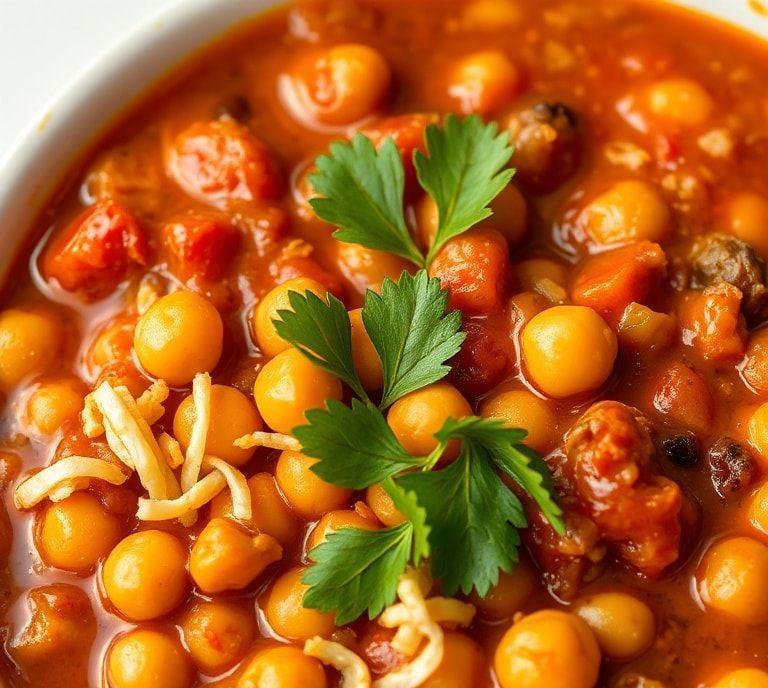
This vegetarian chili is packed with protein-rich chickpeas, hearty vegetables, and a robust blend of spices that create a warm, spicy-sweet base. Unlike some chili recipes, which can be heavy on meat, this one is vibrant with layers of flavors, offering a satisfying meal that feels both healthy and indulgent at the same time. The chickpeas, with their nutty texture, take the place of meat, making the dish both filling and flavorful. If you’ve ever been hesitant about making vegetarian chili, this recipe might just convert you.
Ingredients Needed
Here’s what you’ll need to bring this delicious vegetarian chili to life:
- Chickpeas (2 cans or 1 ½ cups cooked) – Chickpeas are the star of the show here, offering a hearty, meaty texture without the meat.
- Olive oil (2 tablespoons) – For sautéing the vegetables and adding richness to the dish.
- Yellow onion (1 large, diced) – Onion brings a savory sweetness to the chili, providing the foundation for the flavor profile.
- Garlic (4 cloves, minced) – Garlic adds an aromatic depth that’s key to building layers of flavor.
- Bell pepper (1, diced) – I prefer red or yellow bell peppers for their sweetness, but green works fine as well.
- Carrot (1 large, diced) – A bit of sweetness and texture to balance the heat from the spices.
- Canned diced tomatoes (2 cans, 14.5 oz each) – Tomatoes add a rich, tangy base to the chili and help it come together.
- Tomato paste (2 tablespoons) – Deepens the tomato flavor and gives the chili a thicker consistency.
- Vegetable broth (1 ½ cups) – The liquid base for simmering everything together.
- Chili powder (2 tablespoons) – This is what gives the chili its signature warmth and spice.
- Ground cumin (1 teaspoon) – Adds a smoky, earthy undertone.
- Paprika (1 teaspoon) – I love adding a smoky paprika for extra depth, but you can opt for sweet paprika if you prefer a milder version.
- Ground cinnamon (½ teaspoon) – A hint of cinnamon is my secret ingredient to bring a warm, subtle sweetness that balances the heat.
- Salt and pepper (to taste) – Essential for seasoning.
- Fresh cilantro (for garnish, optional) – Adds a fresh, bright finish when sprinkled on top just before serving.
Cooking Instructions
Making this vegetarian chili couldn’t be simpler. Here’s how to do it:
- Heat the Oil: Start by heating the olive oil in a large pot over medium heat. Once it’s warm, add the diced onions and cook, stirring occasionally, until they’re soft and translucent (about 5-7 minutes). This will form the flavor base for the chili.
- Add the Vegetables: Stir in the garlic, bell pepper, and carrot. Sauté for another 3-4 minutes until they start to soften and release their aromas.
- Spice It Up: Sprinkle in the chili powder, cumin, paprika, and cinnamon, and stir everything together. This is where the magic happens-those spices will really begin to permeate the vegetables and set the tone for the chili.
- Add the Tomatoes and Chickpeas: Now it’s time for the canned tomatoes, tomato paste, and chickpeas. Stir well to combine everything. The tomato paste will help thicken the chili, so it’s a must.
- Simmer: Pour in the vegetable broth and bring the mixture to a simmer. Reduce the heat and let it cook, uncovered, for 30-40 minutes, stirring occasionally. This gives the flavors time to meld together. The chili will thicken and deepen in flavor the longer it simmers.
- Season and Serve: After about 40 minutes, taste the chili and adjust the seasoning as needed with salt and pepper. Serve it hot, garnished with a sprinkle of fresh cilantro.
Ingredient Science Spotlight
Let’s talk about the ingredients and how they contribute to the final dish. First, chickpeas-they’re not just a meat substitute in this recipe. Chickpeas are a powerhouse of protein and fiber, making the chili satisfying and filling. They also have a subtle nuttiness that complements the warm spices. The tomatoes, both diced and in paste form, form the tangy, acidic backbone of the chili. The onion and garlic release sugars as they cook, adding sweetness that balances out the spices. And of course, the spices-chili powder, cumin, paprika, and cinnamon-work together to create that signature chili flavor that’s complex yet comforting. It’s a perfect balance of heat, warmth, and umami.
Expert Tips
Here are a few tips to take this vegetarian chili to the next level:
- Don’t Skip the Simmer: Let the chili cook for at least 30 minutes, but feel free to let it go longer. The longer it simmers, the deeper the flavors become.
- Chickpeas Texture: If you prefer a smoother texture, you can mash a portion of the chickpeas with a spoon or immersion blender. This will make the chili thicker and creamier, almost like a stew.
- Spicy or Mild? If you like your chili on the spicier side, add a finely diced jalapeño or a pinch of cayenne pepper. Adjust the level of heat to your liking.
- Add Extra Veggies: Feel free to toss in other vegetables like zucchini, sweet potato, or corn for added texture and flavor.
- Make It Ahead: Chili always tastes better the next day when the flavors have had more time to blend. Make a big batch and store it in the fridge for easy meals later in the week.
Recipe Variations
Chili is one of those dishes that invites creativity. Here are a few variations you can try to switch things up:
- Lentil Chili: If chickpeas aren’t your thing, swap them out for lentils. They have a similar texture and soak up all the spices beautifully.
- Spicy Southwest Chili: Add a can of diced green chilies and a dash of smoked paprika for a southwestern twist. Top with avocado and a squeeze of lime for extra freshness.
- Sweet Potato and Black Bean Chili: Combine chickpeas with cubed sweet potatoes and black beans for a sweet-savory combo that’s both filling and nutritious.
- Chili with Tofu: For an extra protein punch, add cubed, firm tofu. It’ll absorb the flavors and create a nice texture contrast.
Final Words
Making a vegetarian chili doesn’t mean sacrificing flavor or heartiness. This Vegetarian Chili with Chickpeas proves that you can enjoy a comforting, rich meal without the meat. With a blend of fresh vegetables, hearty chickpeas, and aromatic spices, this chili will warm you up in no time. Plus, it’s a flexible recipe that you can adapt to your taste preferences or dietary needs, making it perfect for everyone around the table.
FAQs
Can I Use Canned Chickpeas Instead Of Dried Chickpeas In This Recipe?
Yes, you can use canned chickpeas in this recipe. Canned chickpeas are convenient and ready to use, but be sure to drain and rinse them before adding to the chili. If you prefer to use dried chickpeas, you’ll need to soak and cook them beforehand, which may require more time.
What Vegetables Can I Add To Vegetarian Chili With Chickpeas For Extra Flavor?
In addition to the basic ingredients like onions, bell peppers, and tomatoes, you can add a variety of vegetables to enhance the flavor. Consider adding zucchini, corn, carrots, or even sweet potatoes for a more complex texture and taste. You can also experiment with adding greens like spinach or kale.
How Can I Make Vegetarian Chili With Chickpeas Spicier?
To increase the spiciness of your vegetarian chili, you can add fresh or dried chili peppers such as jalapeños, serranos, or chipotles. You can also include chili powder, cayenne pepper, or hot sauce to adjust the heat level. Be sure to taste as you go to avoid making it too spicy.