There’s something magical about the combination of fresh, high-quality ingredients layered on a warm, crusty base, then baked to perfection. That’s the essence of pizza, a dish that unites people, brings comfort, and sparks creativity in the kitchen. But when you take away the usual meats and focus on vibrant vegetables, cheeses, and herbs, something special happens. Gourmet vegetarian pizza is a celebration of flavors that go beyond the basic ’cheese and sauce’ setup.
I’ll never forget the first time I stumbled upon a truly great vegetarian pizza. It was at a small, family-owned pizzeria tucked away on a quiet street. The crust was thin, crisp on the edges, but soft enough to hold all the toppings. There was a surprising depth of flavor that came from roasted vegetables, earthy mushrooms, and creamy cheeses. It was a flavor profile I hadn’t anticipated from a ’meatless’ pizza, and it changed my entire perspective on what pizza could be.
This gourmet vegetarian pizza recipe is an homage to that discovery. It’s not just about removing the meat-it’s about elevating vegetables and combining them in ways that surprise and delight. Whether you’re a lifelong veggie lover or just looking to explore plant-based eating, this pizza recipe is for you. Let’s dive into the ingredients, the technique, and the science behind it all.
Gourmet Vegetarian Pizza Recipe
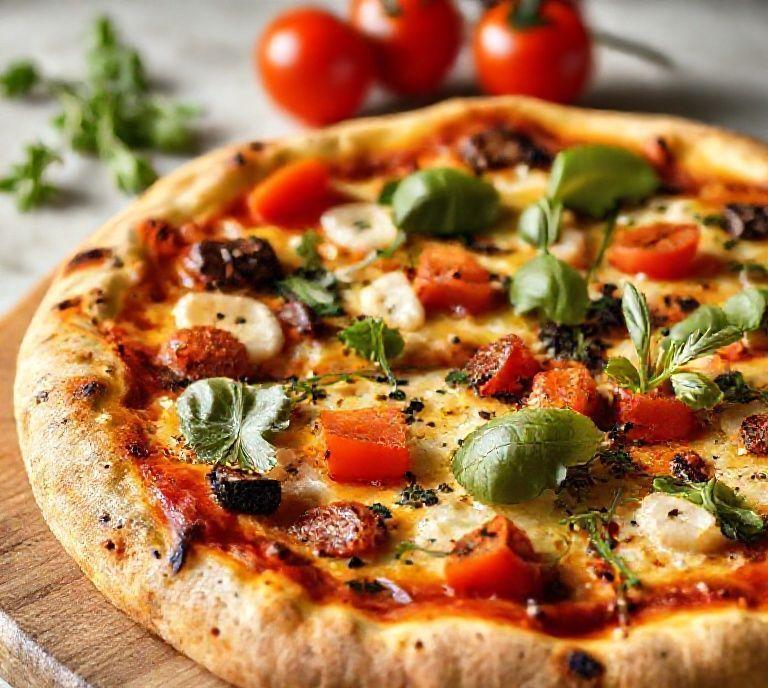
This recipe combines the best of seasonal produce, flavorful cheeses, and a crust that is sturdy enough to hold everything without becoming soggy. It’s hearty, satisfying, and doesn’t skimp on flavor. The recipe is flexible, allowing you to add your favorite toppings, but here’s the version that I keep coming back to.
Ingredients Needed
For the Dough:
- 2 ½ cups all-purpose flour
- 1 tsp sugar
- 1 tsp salt
- 1 tbsp active dry yeast
- 1 tbsp olive oil
- 1 cup warm water
For the Sauce:
- 1 cup crushed San Marzano tomatoes (or any high-quality canned tomatoes)
- 2 tbsp olive oil
- 2 garlic cloves, minced
- 1 tsp dried oregano
- 1 tsp dried basil
- Salt and pepper, to taste
For the Toppings:
- 1 medium zucchini, thinly sliced
- 1 bell pepper, thinly sliced
- 1 cup cherry tomatoes, halved
- 1 medium red onion, thinly sliced
- 1 cup fresh spinach
- 1 ½ cups shredded mozzarella cheese (or vegan mozzarella if preferred)
- 1 tbsp fresh basil leaves, torn
- 2 tbsp parmesan cheese (optional)
- Olive oil for drizzling
Cooking Instructions
Step 1: Prepare The Dough
- In a large bowl, combine the flour, sugar, salt, and yeast. Stir to combine.
- Make a well in the center and pour in the warm water and olive oil. Stir until the dough begins to come together, then knead on a floured surface for about 7-8 minutes, until smooth and elastic.
- Place the dough in a greased bowl, cover with a damp cloth, and let it rise for 1-1.5 hours or until it has doubled in size.
Step 2: Make The Sauce
- Heat the olive oil in a pan over medium heat. Add the minced garlic and cook until fragrant, about 1 minute.
- Add the crushed tomatoes, oregano, and basil. Season with salt and pepper, then bring to a simmer. Let it cook for 15-20 minutes until thickened, stirring occasionally. Set aside.
Step 3: Assemble The Pizza
- Preheat your oven to 475°F (245°C) and place a pizza stone or baking sheet inside to heat up.
- Once the dough has risen, punch it down and divide it into two portions. Roll out each portion on a floured surface to your desired thickness (I like a thin crust, but you can go thicker if you prefer).
- Remove the hot stone or baking sheet from the oven and carefully transfer your rolled-out dough onto it.
- Spread a thin layer of the tomato sauce over the dough, leaving about an inch around the edges.
- Begin layering your toppings-first the mozzarella cheese, then the zucchini, bell pepper, cherry tomatoes, red onion, and spinach.
- Drizzle a little olive oil over the top, and if you’re using parmesan, sprinkle it on now.
- Bake the pizza for 12-15 minutes, or until the crust is golden and the cheese is bubbling and slightly browned.
Step 4: Garnish And Serve
- Once the pizza is out of the oven, sprinkle with fresh basil leaves.
- Slice, serve, and enjoy!
Ingredient Science Spotlight
There’s a fascinating interplay of science behind the ingredients that make this pizza come to life. Let’s take a look at a few key elements:
- Yeast in the Dough: Yeast is a living organism, and when combined with warm water and sugar, it begins to ferment. This process produces carbon dioxide, which causes the dough to rise and gives it that airy texture we love. The yeast also contributes to the development of flavors, adding complexity to the base of your pizza.
- Tomatoes in the Sauce: Tomatoes, especially the San Marzano variety, are known for their high sugar content and low acidity, which makes them ideal for pizza sauce. The natural sweetness of the tomatoes balances the saltiness of the cheese, and the cooking process concentrates the flavors, bringing out a rich umami profile. When combined with garlic and olive oil, it’s a simple yet dynamic base.
- Vegetables and Roasting: Roasting vegetables like zucchini, bell peppers, and onions before adding them to the pizza helps caramelize their natural sugars, deepening their flavor. The high heat draws out moisture, which prevents the pizza from getting soggy and allows the vegetables to retain their texture and taste.
Expert Tips
- Preheat Your Stone or Baking Sheet: Always preheat your pizza stone or baking sheet in the oven before placing the dough on it. This ensures the crust starts cooking immediately when it hits the hot surface, helping to create that crispy texture.
- Use a Pizza Peel or Parchment Paper: If you’re using a pizza stone, transfer the pizza using a pizza peel (a flat tool that helps slide the pizza onto the stone). If you don’t have one, parchment paper can also work as a non-stick barrier when transferring.
- Balance of Cheese: While mozzarella is a classic choice, consider mixing in a little ricotta or goat cheese for a creamier texture and added flavor. You can also try a drizzle of balsamic glaze after baking for a sweet-tart contrast to the savory toppings.
- Get Creative with Toppings: Don’t be afraid to experiment. Add roasted mushrooms, artichokes, or olives for a Mediterranean twist. A handful of arugula after baking adds a peppery bite that works wonderfully with the rich cheese and veggies.
Recipe Variations
- Vegan Version: Swap out the mozzarella for a high-quality vegan cheese or nutritional yeast. Use a dairy-free parmesan if you want to keep that cheesy flavor, and skip the ricotta or goat cheese.
- Gluten-Free Version: Use a gluten-free pizza dough mix or pre-made gluten-free crust if you’re avoiding gluten. The rest of the toppings remain the same.
- Add Some Spice: If you like a little heat, add a sprinkle of red pepper flakes to the sauce or top the pizza with some sliced jalapeños before baking.
- White Sauce Option: Instead of the tomato sauce, try using a garlic cream sauce (a mix of heavy cream, garlic, and butter) for a rich, indulgent pizza base.
Final Words
Cooking a gourmet vegetarian pizza at home isn’t just about making a meal-it’s about making an experience. The process of preparing each component, from the dough to the sauce to the toppings, is an opportunity to experiment and tailor the flavors to your preferences. Whether you’re trying it for the first time or you’ve perfected your pizza-making skills, there’s always room to make it your own.
The beauty of a great vegetarian pizza is that it’s not only delicious but also nourishing. By focusing on fresh vegetables, you’re packing in vitamins, antioxidants, and fiber, without sacrificing flavor. And the best part? It’s a meal that’s as much about enjoying the process as it is about enjoying the result.
FAQs
What Are The Key Ingredients For Making A Gourmet Vegetarian Pizza?
A gourmet vegetarian pizza typically includes high-quality ingredients such as a fresh pizza dough base, olive oil, tomato sauce, mozzarella or other artisanal cheeses, fresh vegetables like bell peppers, mushrooms, onions, spinach, and zucchini, as well as herbs like basil or oregano. Optional additions may include roasted garlic, sun-dried tomatoes, artichoke hearts, and a variety of specialty cheeses like goat cheese or ricotta.
How Can I Make My Vegetarian Pizza Extra Flavorful?
To enhance the flavor of a vegetarian pizza, consider using a rich and well-seasoned tomato sauce, adding a variety of fresh herbs, and incorporating roasted vegetables for a deeper taste. A drizzle of balsamic glaze or a sprinkle of crushed red pepper flakes can provide an extra burst of flavor. Additionally, using a mix of cheeses, such as sharp cheddar or smoked provolone, can elevate the overall taste profile.
Can I Make A Gluten-free Gourmet Vegetarian Pizza?
Yes, a gluten-free gourmet vegetarian pizza can easily be made by substituting traditional pizza dough with a gluten-free flour blend. Pre-made gluten-free pizza crusts are also available, but for the best results, it’s ideal to prepare the dough yourself using gluten-free flour, xanthan gum, and yeast. Ensure the toppings, like cheeses and sauces, are also gluten-free to maintain the integrity of the pizza.