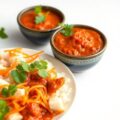
When I first encountered Pad Prik King, I was intrigued by how a single dish could manage to be both deeply comforting and a little fiery at the same time. I remember sitting at a small Thai restaurant, the bustling sounds of the kitchen floating over the sizzle of stir-fries, and I couldn’t help but be drawn to the brilliant colors and aromatic smells of the dish. There was something about that perfect balance of spicy, salty, and a touch of sweetness that captured my attention.
The great thing about Pad Prik King is that it doesn’t rely on the richness of meat to deliver flavor. The heat from the red curry paste, the freshness of the lime leaves, and the complex flavors of garlic, ginger, and soy create a dish that feels hearty, satisfying, and vibrant all at once. The fact that this vegetarian version cuts out meat without sacrificing the depth of flavor makes it a fantastic choice for almost any occasion, whether it’s a weekday dinner or part of a dinner party spread.
So, if you’re someone who loves bold flavors but wants a lighter dish, let’s dive into a homemade Pad Prik King Vegetarian Recipe that you can create easily and enjoyably in your own kitchen. Trust me, once you make this, you’ll understand why it’s become such a beloved staple in Thai cuisine.
Pad Prik King Vegetarian Recipe
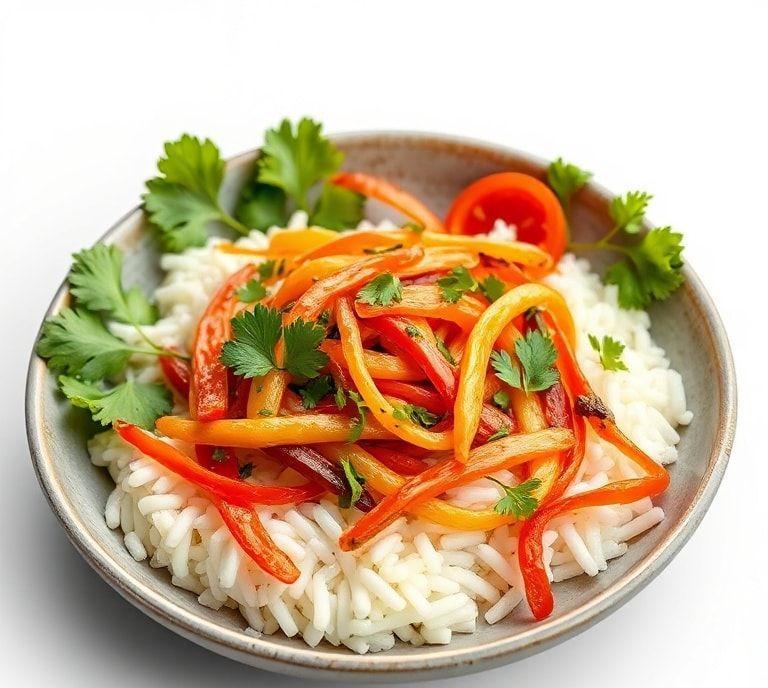
The beauty of Pad Prik King lies in its versatility. While the traditional recipe features chicken or pork, the vegetarian version doesn’t fall short of flavor and texture. It’s simple yet flavorful, and what’s more, it’s entirely customizable based on what you have on hand.
I’ve spent years tinkering with different variations, trying out a wide range of vegetables, tofu, and even different pastes to create my perfect version. If you’re experimenting for the first time, don’t worry-you can adjust ingredients as needed, and you’ll still end up with something amazing.
Ingredients Needed
Here’s a list of what you’ll need for the base recipe:
- Tofu (or other plant-based protein) – Firm tofu is best for this dish, since it holds its shape when stir-fried. If you’re avoiding tofu, you could try tempeh or even a selection of hearty vegetables like eggplant or mushrooms.
- Red Curry Paste – This is the heart of the dish. Red curry paste brings the heat, spice, and depth of flavor. You can find it at most grocery stores, but if you’re feeling adventurous, making your own paste is definitely an option.
- Coconut Milk – To balance out the heat and add some creaminess. You don’t need much-just enough to make the sauce smooth and silky.
- Thai Red Chili – I always include a couple of these for that extra hit of spice. If you’re worried about the heat, you can use just one or even leave them out entirely.
- Lime Leaves – If you’ve never used lime leaves before, they might seem a bit odd, but trust me, they’re essential. They provide that unmistakable fragrance and slight citrusy flavor that really elevates the dish.
- Soy Sauce – For that umami flavor, which balances the sweetness of the coconut milk and the spice of the curry paste.
- Vegetables – I typically use bell peppers, zucchini, and green beans, but you can play around with whatever’s in season or what you like. Fresh peas, carrots, or even sweet potatoes work beautifully too.
- Fresh Basil – The finishing touch! Thai basil works best if you can find it, but regular basil will do in a pinch.
Cooking Instructions
Now, let’s talk about how to bring these ingredients together to create a deliciously vibrant Pad Prik King.
- Press the Tofu: If you’re using tofu, start by pressing it to remove excess water. Place the tofu between two paper towels and set something heavy (like a skillet or a couple of cans) on top. Let it press for at least 15 minutes. This makes it crispy when cooked.
- Prepare the Vegetables: Slice your bell peppers, zucchini, and green beans into bite-sized pieces. If you’re using other veggies, cut them into similar-sized pieces so they cook evenly.
- Cook the Tofu: Heat a couple of tablespoons of oil in a pan over medium heat. Cube the tofu into bite-sized pieces and add it to the pan. Cook for about 5-7 minutes, turning occasionally, until the tofu is golden and crispy on all sides. Once it’s done, remove it from the pan and set aside.
- Sauté the Aromatics: In the same pan, add a little more oil, and sauté the red curry paste for about 1-2 minutes. This will release its oils and intensify the flavor. Then, add the garlic and ginger, cooking for another 1-2 minutes until fragrant.
- Combine the Ingredients: Add the coconut milk, soy sauce, lime leaves, and chilies to the pan. Stir everything together and bring it to a gentle simmer. Let it cook for about 3-5 minutes, allowing the flavors to blend.
- Add the Vegetables: Toss in your sliced vegetables and cook for another 5-7 minutes, or until they’re just tender but still crisp.
- Finish It Up: Return the tofu to the pan, and toss everything together. Cook for another minute or so to allow the tofu to soak up the sauce. Remove from heat and garnish with fresh basil before serving.
Ingredient Science Spotlight
One of the things I find so fascinating about Pad Prik King is the way certain ingredients interact with each other to create a balanced, complex flavor profile. Take coconut milk-its creamy texture is not just a source of richness but also a counterbalance to the heat of the curry paste. The lime leaves, on the other hand, bring a sharp, citrusy note that cuts through the richness of the coconut milk, keeping the dish from feeling too heavy.
The red curry paste is more than just a blend of spices. It’s packed with ingredients like lemongrass, galangal, and garlic, which all serve to create a flavor base that’s both spicy and aromatic. Interestingly, red curry paste also contains a small amount of fermented shrimp paste or fish sauce, which adds that deep umami flavor we crave in savory dishes. Of course, since we’re going vegetarian, we can substitute this with a plant-based option, such as soy sauce or miso paste.
Expert Tips
- Make It Ahead: This dish actually improves in flavor after a few hours or overnight. The spices and aromatics get a chance to deepen and meld together, making the leftovers almost as good-if not better-than the first serving.
- Adjust the Spice Level: If you’re not into super spicy food, try using just one chili pepper or even omitting them entirely. The dish will still have great flavor without the heat, and you can add hot sauce on the side if you like.
- Texture Matters: If you want a bit of extra crunch in your dish, try adding cashews or peanuts just before serving. They add an extra layer of flavor and texture.
- Play with Protein: Tofu is a classic, but don’t be afraid to switch it up. Tempeh, seitan, or even marinated portobello mushrooms can bring a meaty texture without the meat.
Recipe Variations
While the classic version of Pad Prik King is fabulous, feel free to experiment with different ingredients or flavors:
- Sweet Potato Pad Prik King: If you love sweet and savory combinations, throw in some roasted sweet potatoes. Their natural sweetness balances out the heat from the curry paste.
- Pad Prik King with Rice Noodles: Make it more of a noodle dish by adding cooked rice noodles to the mix. Stir them in at the end, and the noodles will soak up the curry sauce, giving them tons of flavor.
- Crispy Veggie Pad Prik King: Instead of stir-frying your veggies, try roasting them first. This gives them a charred edge and a smoky flavor that adds another layer of complexity to the dish.
Final Words
Pad Prik King is one of those dishes that feels like it’s bursting with life. The balance of flavors is key-spicy, salty, sweet, and umami all working together in perfect harmony. The beauty of making it at home is that you can adjust the ingredients to suit your tastes, whether you prefer a heavier dose of coconut milk or more heat from the curry paste.
FAQs
What Is Pad Prik King In A Vegetarian Recipe?
Pad Prik King is a flavorful Thai stir-fry dish typically made with vegetables and a spicy red curry paste. The vegetarian version substitutes traditional meat with plant-based ingredients such as tofu, tempeh, or a variety of fresh vegetables. It is characterized by its bold, savory flavors from ingredients like kaffir lime leaves, galangal, and Thai chili, combined with a rich coconut milk base.
What Are The Key Ingredients In A Vegetarian Pad Prik King Recipe?
The key ingredients in a vegetarian Pad Prik King recipe include tofu or tempeh (as a protein source), green beans or other vegetables like bell peppers, carrots, and mushrooms, and a red curry paste made with ingredients such as dried red chilies, garlic, lemongrass, and shrimp paste (which can be omitted or substituted in vegetarian versions). The dish is also flavored with soy sauce, coconut milk, lime juice, and Thai herbs like kaffir lime leaves and basil.
Can I Make Pad Prik King Vegetarian Recipe Spicier?
Yes, you can adjust the spice level in a vegetarian Pad Prik King recipe. To make the dish spicier, increase the amount of Thai bird’s eye chilies or add a few extra teaspoons of red curry paste. You can also garnish with fresh chili slices or add chili flakes to the dish just before serving. However, be mindful of the balance between spice and the other flavors to ensure the dish remains well-rounded.