
There’s something about the simple act of cooking that makes me feel grounded. It’s not just about the food, but the ritual of it-the chopping, the stirring, the aromas wafting through the kitchen. One dish that really takes me back to cozy, slow Sundays spent with family is corned beef and cabbage. It’s a classic, comforting dish, especially popular around St. Patrick’s Day. But what if you’re a vegetarian (or just trying to eat a little lighter) and still crave that warm, savory satisfaction of the traditional meal?
Enter the vegetarian corned beef and cabbage recipe. When I first decided to experiment with a vegetarian version, I was a little skeptical. Could a dish that’s so rooted in meat really deliver the same depth of flavor and heartiness without it? As it turns out, the answer is a resounding yes! With the right blend of plant-based ingredients and a few tweaks, you can make a dish that’s just as rich and comforting as the original. Let me walk you through it.
Corned Beef And Cabbage Vegetarian Recipe
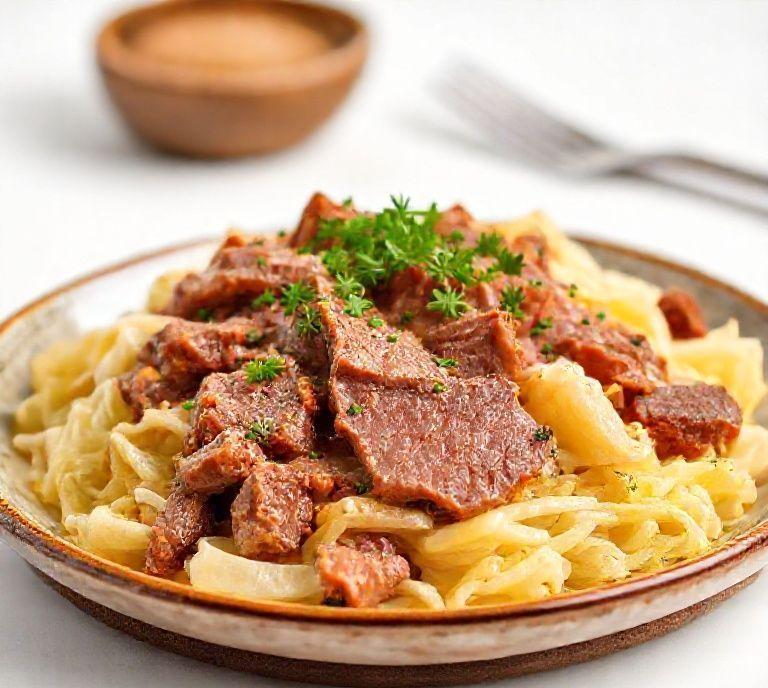
This vegetarian twist on corned beef and cabbage is a true crowd-pleaser. It captures the essence of the original dish but swaps out the corned beef for seitan, a fantastic meat substitute with a chewy, hearty texture. I’m telling you, when done right, it’s almost impossible to tell the difference.
This dish is great for anyone who’s cutting out meat but doesn’t want to miss out on that cozy, Irish-inspired flavor. Plus, it’s just as easy to make-so you won’t spend your whole day in the kitchen. Let’s dive into the recipe.
Ingredients Needed
Here’s what you’ll need for this vegetarian version of corned beef and cabbage:
-
Seitan (or your favorite plant-based ’beef’ substitute) – 1 lb
- Seitan is perfect for this because it mimics the texture of corned beef beautifully. You can either buy it pre-made or make it from scratch if you’re feeling ambitious.
-
Cabbage – 1 medium head
- Sliced into wedges. Cabbage will bring the fresh, crunchy element to balance out the richness of the seitan.
-
Carrots – 4-5 medium
- These will add a little sweetness to the dish, plus vibrant color.
-
Potatoes – 4 medium
- Yukon golds or reds work best. These add a starchy heartiness that’s reminiscent of the classic recipe.
-
Vegetable broth – 4 cups
- This helps form the base of the cooking liquid and infuses the veggies and seitan with flavor.
-
Garlic – 3-4 cloves
- A little garlic goes a long way in deepening the flavor profile.
-
Onion – 1 large
- Adds sweetness and depth.
-
Pickling spices – 2 tablespoons
- These spices are what bring the true corned beef flavor. You can find them pre-mixed or make your own with mustard seeds, coriander seeds, black peppercorns, allspice, and a dash of cinnamon.
-
Bay leaves – 2
- For that earthy, aromatic note.
-
Salt and pepper – to taste
- Simple, but essential.
Cooking Instructions
- Prep your veggies: Start by slicing the cabbage into wedges, and peel and chop the carrots and potatoes into large chunks. The bigger pieces will hold up better during the cooking process and absorb the flavors more evenly.
- Brown the seitan: In a large pot or Dutch oven, heat a splash of oil over medium-high heat. Slice your seitan into thick strips or chunks, then brown them in the pot for 4-5 minutes, until they develop a nice, crispy exterior. This step really brings out the meaty texture and flavor.
- Add aromatics: Toss in the diced onion and minced garlic. Stir and cook for about 3 minutes, until the onions soften and become translucent.
- Simmer the broth: Pour in the vegetable broth, and add the pickling spices, bay leaves, salt, and pepper. Stir everything together and bring to a simmer.
- Add the root veggies: Throw in the carrots and potatoes. Let everything simmer gently for 20-25 minutes, or until the vegetables are tender but not mushy. This is the part where the flavors meld together, and your kitchen will smell like heaven.
- Cook the cabbage: Once the potatoes and carrots are nearly done, add the cabbage wedges to the pot. Cover and cook for an additional 10-15 minutes, until the cabbage is tender but still has a bit of bite.
- Serve: Remove the bay leaves, and adjust seasoning with extra salt and pepper if needed. Serve the seitan, cabbage, carrots, and potatoes all together in a big bowl, and pour some of the flavorful broth over the top.
Ingredient Science Spotlight
The secret to making this vegetarian corned beef and cabbage dish truly satisfying lies in understanding the science behind the key ingredients. Let’s break it down:
- Seitan: This is essentially wheat gluten, and it’s known for its meat-like texture. When cooked, it absorbs flavors wonderfully, giving you that chewy, ’meaty’ bite you’re used to. The key here is that seitan has a higher protein content than other plant-based options, so it feels substantial and filling.
- Pickling Spices: These are the star of the show when it comes to flavor. The combination of mustard seeds, peppercorns, coriander, and allspice creates that signature, tangy-salty taste reminiscent of the traditional corned beef. The longer the spices steep in the broth, the more depth and complexity they’ll add to the dish.
- Vegetable Broth: The broth acts as the canvas for all the other ingredients to paint their flavors on. It soaks into the vegetables, giving them richness while infusing everything with a savory base.
Expert Tips
- Get a good seitan: Not all seitan is created equal. For the best texture and flavor, go for a brand that’s dense and hearty. Some brands have a spongy texture that doesn’t quite work for this dish.
- Don’t skip the pickling spices: These little seeds and spices make all the difference in recreating that ’corned beef’ vibe. I’ve tried making it without, and it’s just not the same.
- Simmer low and slow: The longer you cook the veggies, the more flavor they’ll absorb. So, even though this recipe doesn’t require hours of cooking, a good 30 minutes of simmering will do wonders for the depth of flavor.
- Serve with mustard: It’s traditional, and it’s delicious! A little tangy mustard alongside the dish brings out the best in both the cabbage and the seitan.
Recipe Variations
- Make it gluten-free: If you’re avoiding gluten, swap the seitan for a hearty vegetable or bean-based protein like tempeh or chickpeas. You won’t get the same chewy texture, but the dish will still be satisfying.
- Add other veggies: Feel free to throw in some parsnips, turnips, or leeks if you’ve got them on hand. These root vegetables work well in this dish and add extra layers of flavor.
- Spice it up: If you like a bit of heat, add a dash of smoked paprika or red pepper flakes to the broth. This adds a smoky kick that balances the rich flavors.
Final Words
When I first tried making this vegetarian corned beef and cabbage, I wasn’t sure how it would turn out. But I’m happy to report that it’s a complete success. It’s hearty, flavorful, and every bit as satisfying as the meat version. Whether you’re trying to cut down on meat or just want a different take on an old classic, this recipe checks all the boxes.
FAQs
What Is A Vegetarian Substitute For Corned Beef In A Corned Beef And Cabbage Recipe?
A popular vegetarian substitute for corned beef is tempeh or seitan, which can be marinated and seasoned with similar spices to replicate the flavor and texture of corned beef. You can also use jackfruit, which has a meat-like texture and absorbs flavors well when cooked with traditional corned beef spices like mustard seeds, peppercorns, and garlic.
How Do I Season The Cabbage To Mimic The Flavor Of Corned Beef In A Vegetarian Version?
To season the cabbage and create a similar flavor profile to corned beef, use a combination of pickling spices, mustard seeds, black peppercorns, bay leaves, and garlic. You can also add a bit of liquid smoke or smoked paprika to replicate the smoky taste that corned beef typically has. Simmer the cabbage with these spices in vegetable broth for a rich, flavorful result.
Can I Make A Corned Beef And Cabbage Vegetarian Recipe In Advance?
Yes, you can make a vegetarian corned beef and cabbage recipe in advance. The tempeh or seitan can be marinated and cooked ahead of time, and the cabbage can be simmered in the seasoned broth and stored separately. When ready to serve, simply reheat the components together. This recipe can be stored in the fridge for up to 3 days, and the flavors will continue to develop over time.