Let me tell you something: salads don’t have to be boring. We’ve all been there, right? Staring down at a bowl of limp lettuce, the flavor barely there, and wondering if eating it was even worth the effort. But what if I told you that a salad could actually feel like a meal? A hearty, filling, and satisfying experience that leaves you feeling energized and content, not like you’re still waiting for the "real meal" to show up?
That’s the magic of a high-protein vegetarian salad. It’s packed with wholesome ingredients, loads of flavor, and the kind of nutritional punch that makes you want to eat it for lunch every day. Plus, it’s a great option for those times when you need a pick-me-up, but still want to keep things light and fresh.
This salad doesn’t just rely on leafy greens to do the heavy lifting. It’s built with a solid foundation of protein-rich ingredients like chickpeas, lentils, quinoa, or tofu, making sure that you’re getting all the fuel your body needs to thrive. Whether you’re a dedicated vegetarian or just someone looking to add more plant-based meals to your week, this salad is your ticket to delicious, nutritious, and filling. So, let’s dive into it.
High Protein Vegetarian Salad Recipe
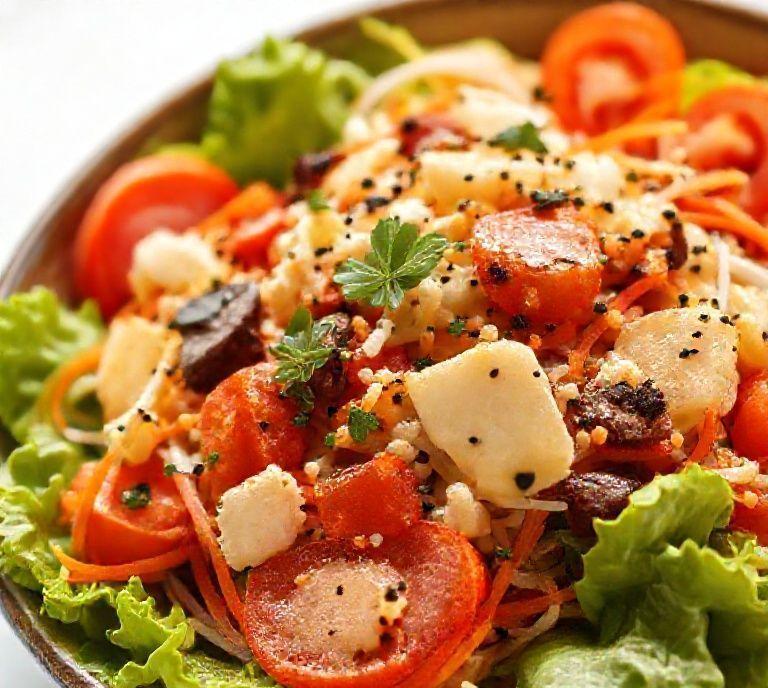
Alright, let’s get into the nitty-gritty of this recipe. It’s not complicated, but it’s full of texture, color, and the kind of flavors that’ll make you appreciate how amazing plant-based meals can be.
Ingredients Needed
- 1 cup cooked quinoa – Quinoa isn’t just a trendy food; it’s a powerhouse packed with protein and fiber. It’s like the little engine that could, helping to keep you full longer while giving you that nutrient density your body craves.
- 1 can chickpeas (drained and rinsed) – These little beans are loaded with protein and fiber, making them a perfect base for any hearty salad. They’re also a great source of iron and folate, which help keep your body running like a well-oiled machine.
- 1 cup cherry tomatoes (halved) – Sweet, juicy, and vibrant, they add a burst of freshness and color to your salad. Plus, they bring in a good dose of vitamin C.
- 1/2 cucumber (sliced) – Cool, crisp, and refreshing, cucumbers give the salad that satisfying crunch.
- 1/2 cup shredded carrots – These bring a bit of sweetness and a beautiful orange hue, not to mention that they’re packed with beta-carotene for healthy skin and eyes.
- 1/2 avocado (sliced) – Creamy, rich, and indulgent, the avocado adds healthy fats that not only taste amazing but also help your body absorb nutrients more efficiently.
- 1/4 cup sunflower seeds (or your favorite nut/seed) – A nice crunchy bite with a protein boost that elevates the texture of the salad.
- 1/4 cup feta cheese or vegan feta (optional) – This is optional, but it adds a tangy, savory kick that balances the sweetness of the veggies.
- Fresh herbs (such as cilantro, parsley, or basil) – Herbs bring in an earthy, aromatic freshness that takes the flavor profile to the next level.
- Olive oil – For the dressing, we’ll go with extra virgin olive oil. It’s heart-healthy and has that lovely fruity richness to it.
- Lemon juice – Adds brightness and acidity that really ties everything together.
- Salt and pepper – Simple seasonings, but they bring everything into harmony.
Cooking Instructions
- Prepare the Quinoa: If you don’t already have quinoa cooked, start by rinsing it thoroughly. Then, cook it according to package instructions (usually 1 cup quinoa to 2 cups water). I like to let it cool a bit while I prep the rest of the salad.
- Prep the Veggies: While the quinoa’s cooking, slice up your cucumber, halve the cherry tomatoes, shred the carrots, and slice the avocado. This is where you can get creative with the veggie cuts-julienne the carrots for a fun texture or dice the cucumber for bite-sized pops.
- Rinse the Chickpeas: Open the can of chickpeas, drain them, and give them a quick rinse. You want to get rid of that starchy liquid, so they’ll absorb the dressing better.
- Assemble the Salad: In a large mixing bowl, combine the quinoa, chickpeas, tomatoes, cucumber, carrots, and avocado. Toss them gently to avoid mashing the avocado. Sprinkle the sunflower seeds over the top, and if you’re using feta, crumble that in as well.
- Make the Dressing: In a small bowl, whisk together the olive oil, lemon juice, salt, and pepper. Taste it and adjust the seasoning as needed-more lemon for zing, more salt for depth. Pour it over the salad and give everything a good toss.
- Garnish: Finish it off with fresh herbs-cilantro and basil work beautifully here.
Ingredient Science Spotlight
Let’s dive into why this salad is so satisfying on a deeper level. Each of these ingredients is chosen not just for flavor, but for the unique benefits they bring to the table.
- Quinoa: Did you know quinoa is considered a “complete protein”? Unlike most plant-based foods, quinoa contains all nine essential amino acids that our bodies can’t produce. It’s a stellar choice for vegetarians because it helps to fill the gap where other plant proteins might fall short.
- Chickpeas: Chickpeas are an excellent source of protein and fiber, two nutrients that are key to keeping hunger at bay. They also help regulate blood sugar levels, making this salad not just filling, but stabilizing for your energy throughout the day.
- Avocado: The monounsaturated fats in avocado are heart-healthy and help in the absorption of fat-soluble vitamins (like vitamins A, D, E, and K) from the salad’s other ingredients. Plus, the creamy texture just makes the whole thing feel indulgent.
- Carrots: The beta-carotene in carrots converts to vitamin A in your body, promoting good eyesight and healthy skin. They also offer fiber, which is essential for digestive health.
Expert Tips
- Don’t Skip the Dressing: It might seem like an extra step, but the dressing is essential for pulling all the flavors together. The olive oil adds richness, and the lemon juice adds the acidity that lifts the whole dish.
- Make It Ahead: This salad actually improves after a few hours in the fridge. The flavors meld together, and the quinoa soaks up all that yummy dressing.
- Add Protein: If you want even more protein, consider adding roasted tofu, tempeh, or edamame. You could also switch out the chickpeas for lentils for a different texture and flavor.
- Don’t Overdress: Start with a little bit of dressing and add more to taste. Too much can overpower the fresh flavors of the veggies.
Recipe Variations
- Mexican-Style: Add black beans, corn, cilantro, and a spicy dressing made from lime juice, olive oil, and chili powder.
- Mediterranean-Inspired: Add Kalamata olives, roasted red peppers, and swap the feta for a tangy goat cheese. You could also add some olives or roasted eggplant for a Mediterranean flair.
- Roasted Veggies: For a heartier version, toss in some roasted sweet potatoes or zucchini. They add a smoky, caramelized depth to the salad.
- For a Crunchier Twist: Swap the sunflower seeds for roasted chickpeas or add crunchy chickpea croutons for extra protein and texture.
Final Words
I think what I love most about this salad is how customizable it is. You can adjust the ingredients to suit your cravings, swap out things based on what you have in your fridge, and it still tastes amazing. It’s one of those recipes that feels like it’s just as much about how you put it together as it is about what’s in it.
FAQs
What Are Some High-protein Ingredients To Include In A Vegetarian Salad?
To boost protein content in a vegetarian salad, you can incorporate ingredients such as chickpeas, lentils, black beans, edamame, tofu, tempeh, quinoa, Greek yogurt, cottage cheese, nuts, seeds (like pumpkin or sunflower seeds), and high-protein leafy greens like spinach and kale. Combining multiple sources ensures a complete amino acid profile.
How Can I Make A High-protein Vegetarian Salad More Filling And Nutritious?
A high-protein vegetarian salad can be made more filling by including a balance of protein, healthy fats, and complex carbohydrates. Add whole grains like quinoa or farro, avocado or nuts for healthy fats, and a variety of colorful vegetables for fiber and micronutrients. Including a protein-rich dressing, such as tahini-based or Greek yogurt-based dressings, can further enhance satiety and nutrition.
Can I Prepare A High-protein Vegetarian Salad In Advance For Meal Prep?
Yes, high-protein vegetarian salads are excellent for meal prep. Store the protein sources (like beans, lentils, or tofu) and grains separately from delicate vegetables to prevent sogginess. Dressings should also be kept separate until ready to eat. Properly stored in airtight containers in the refrigerator, most components will stay fresh for 3-4 days, allowing for convenient, protein-rich meals throughout the week.