If you’ve never encountered a Scotch egg before, you’re in for a treat. This dish is one of those humble, yet satisfying classics that feels like it was made for cozy afternoons or picnics in the park. Imagine this: a soft, perfectly cooked hard-boiled egg, wrapped in seasoned sausage, coated in crispy breadcrumbs, and then deep-fried to golden perfection. You’ve got layers of texture and flavor in every bite-a crispy crunch, savory sausage, and the rich creaminess of the egg inside.
Now, you may have had a traditional Scotch egg before, but I’m here to introduce you to a vegetarian twist on this beloved snack. The flavors and textures can still shine brightly, even without the meat. This recipe uses plant-based ingredients to deliver a dish that holds up just as well, if not better, than the original. Trust me, even the most devout carnivores will give it a second look!
Vegetarian Scotch Eggs Recipe
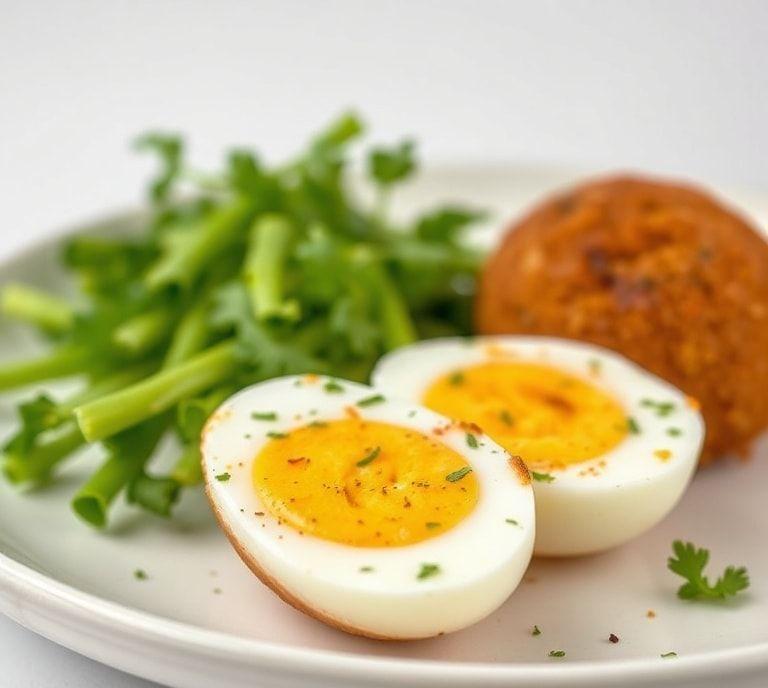
In this recipe, we’ll swap out the sausage for a hearty vegetarian mix of chickpeas, mushrooms, and oats to create a satisfying filling that holds together beautifully while still delivering that rich umami flavor. We’ll also use a vegan egg substitute to replace the traditional hard-boiled egg, so everyone can enjoy this comforting snack.
Ingredients Needed
For the ’meat’ filling:
- 1 can of chickpeas (or 1 ½ cups cooked)
- ½ cup cooked mushrooms (about 5-6 medium)
- 1 small onion, finely chopped
- 1 garlic clove, minced
- ¼ cup rolled oats
- 1 tbsp soy sauce (or tamari for gluten-free)
- 1 tsp ground cumin
- 1 tsp smoked paprika
- Salt and pepper, to taste
- A drizzle of olive oil for sautéing
For the ’egg’ filling:
- 1 cup silken tofu (for the soft egg substitute)
- 1 tbsp nutritional yeast (for that eggy flavor)
- 1 tsp turmeric (for color)
- Salt and pepper, to taste
- A splash of plant-based milk (for smoothness)
For the coating:
- 1 cup breadcrumbs (panko works well for extra crunch)
- 1 tbsp flour (for dusting)
- 1-2 tbsp plant-based milk (for binding)
For frying:
- Oil for deep frying (or you can bake them, but frying brings the extra crispiness)
Cooking Instructions
Step 1: Prepare The Egg Substitute
To create the "egg" inside the Scotch egg, blend the silken tofu with nutritional yeast, turmeric, salt, pepper, and a splash of plant-based milk. This gives you a creamy, egg-like texture and color. Pour the mixture into small silicone molds or an ice cube tray, and freeze for about 2 hours. This will solidify the tofu enough to work as the ’egg’ when wrapped in the veggie filling.
Step 2: Make The Filling
In a skillet, heat the olive oil over medium heat. Add the onion and garlic, sautéing until fragrant and softened. Add the mushrooms and cook for a few minutes until they release their moisture and brown slightly. Then, toss in the chickpeas, cooking for another 3-4 minutes. Mash the chickpeas slightly with the back of your spoon to break them down into a chunky paste. Stir in the oats, soy sauce, cumin, paprika, and seasoning. Allow everything to cook together for another 2 minutes, then remove from heat and let it cool slightly.
Step 3: Assemble The Scotch Eggs
Once the tofu mixture has frozen solid, it’s time to assemble. Take a handful of the veggie-chickpea mixture and flatten it out in your hands. Place the frozen tofu ’egg’ in the center and mold the filling around it, making sure it’s completely covered. Repeat with the rest of the tofu and filling.
Step 4: Coat And Fry
Now, prepare your breading station. In one bowl, place the flour. In another, pour in the plant-based milk. In a third, spread out the breadcrumbs. First, lightly coat each veggie ball in flour, then dip it in the milk, and finally roll it in breadcrumbs. Make sure it’s evenly coated.
Heat the oil in a deep frying pan or pot to about 350°F (175°C). Carefully place each Scotch egg in the oil, turning it occasionally to ensure even browning. Fry until golden brown and crispy, which should take about 4-5 minutes. Remove with a slotted spoon and drain on paper towels.
Ingredient Science Spotlight
When we think of a Scotch egg, we might not immediately think of science, but every ingredient plays an important role. The silken tofu’s ability to mimic the creamy yolk of a real egg is all thanks to its smooth texture and high moisture content. Nutritional yeast adds that egg-like savory flavor, while turmeric gives it the distinct yellow hue. When frozen, the tofu solidifies and holds its shape during the wrapping process, providing the firm yet creamy center we expect from an egg.
Meanwhile, chickpeas-our stand-in for the sausage-are rich in protein and fiber, making them a filling and satisfying option. The oats act as a binding agent, keeping the veggie mixture together while also adding a bit of texture. When cooked, the mushrooms provide a savory umami boost that mimics the richness of meat, while the soy sauce adds a depth of flavor that ensures each bite is as flavorful as the original.
Expert Tips
- Chill the tofu: If you’re using the tofu as an egg substitute, don’t skip the freezing step! This will help the mixture hold together better when it’s being handled.
- Use panko breadcrumbs for extra crunch: If you want that ultra-crispy exterior, panko breadcrumbs are a game-changer. They create a delicate, airy coating that contrasts beautifully with the dense, savory filling.
- Be gentle while wrapping: Because the veggie mixture can be a little delicate, take your time when wrapping it around the tofu. If it cracks or breaks, just press it back together-it’s more forgiving than you might think.
- Fry in batches: Don’t crowd the pan. Frying them in smaller batches ensures that each Scotch egg gets an even, golden-brown coating.
Recipe Variations
While this vegetarian version of Scotch eggs is delicious on its own, there are plenty of ways to put your own spin on them.
- Add some spice: If you want a kick, try adding some finely chopped fresh chilies or a teaspoon of chili flakes to the filling.
- Herbs and flavors: Experiment with different herbs like thyme, rosemary, or sage for an extra layer of flavor in the filling.
- Cheese lover’s dream: If you’re okay with dairy, you can mix in some grated cheese (like sharp cheddar or a vegan alternative) into the veggie mix for added richness.
Final Words
Vegetarian Scotch eggs are a fantastic twist on a classic British snack. They’re surprisingly hearty, packed with flavor, and just as satisfying as their meat-filled counterparts. Whether you’re looking for a vegetarian option for a picnic, a snack for a cozy evening at home, or a creative way to impress your friends, this recipe checks all the boxes.
FAQs
What Are Vegetarian Scotch Eggs Made Of?
Vegetarian scotch eggs are a meat-free version of the traditional scotch egg. They typically consist of a hard or soft-boiled egg encased in a flavorful mixture of mashed potatoes, breadcrumbs, and herbs. Some recipes may also use a mixture of lentils, chickpeas, or plant-based sausage to mimic the texture of the meat typically used in traditional scotch eggs.
Can I Use Store-bought Vegetarian Sausage For Scotch Eggs?
Yes, you can use store-bought vegetarian or plant-based sausage for making vegetarian scotch eggs. Simply remove the casing from the sausage and mold it around the boiled egg. If you prefer a more customizable filling, you can also make your own mixture using mashed vegetables, beans, or lentils to create the desired texture and flavor.
How Do I Ensure The Vegetarian Scotch Eggs Stay Crispy?
To achieve crispy vegetarian scotch eggs, make sure to coat the outside with breadcrumbs twice-first after the sausage or mashed filling is applied, and then again just before frying or baking. Additionally, you can freeze the scotch eggs for about 15-20 minutes before cooking to help the coating adhere better and prevent it from falling off during the frying process. Frying in hot oil or baking at a high temperature will also help ensure a crispy exterior.