When we think about dishes that carry a bit of raw edge-like a classic steak tartare-there’s often a sense of daring that goes along with it. But what if we could take the raw, luxurious appeal of tartare and strip away the meat to create something equally rich in flavor, texture, and complexity? Enter the vegetarian tartare, a creative twist that not only captures the spirit of its carnivorous counterpart but also welcomes new flavors and textures into the fold.
This isn’t just a dish for vegetarians or vegans, though. It’s an idea-one that challenges what we think of as "raw" or "sophisticated" in the world of fine dining. Whether you’re cooking for a special occasion or looking for something fresh for your next dinner party, a vegetarian tartare can elevate any meal, offering layers of surprising depth. It’s a little unconventional but incredibly rewarding, a mix of flavors and textures that will have you and your guests talking long after the last bite.
Vegetarian Tartare Recipe
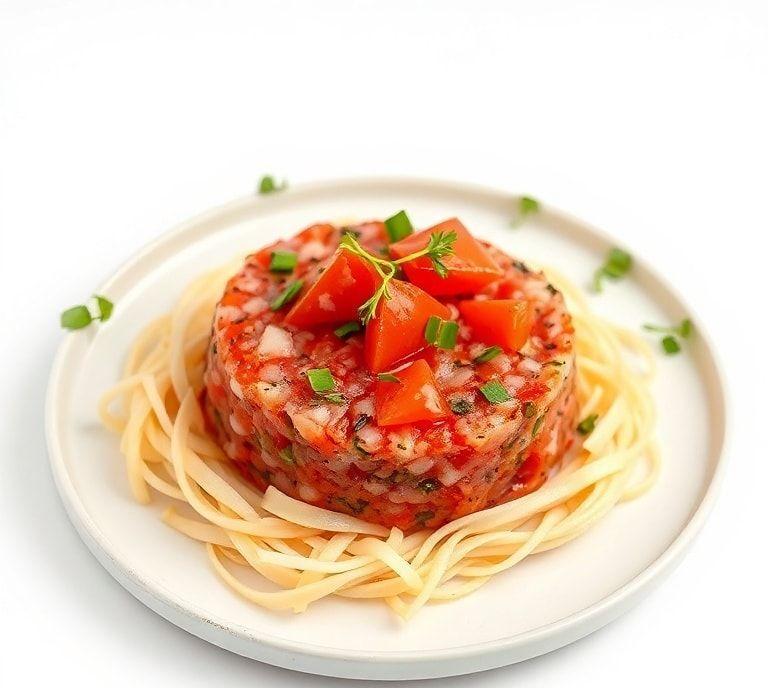
Making a vegetarian tartare is like composing a piece of music. It’s about the balance of different flavors-crunchy, creamy, tangy, and earthy-played off of each other in perfect harmony. What you’re looking for is a mix of ingredients that bring something new to the table while still delivering the feeling of indulgence. In the end, it’s all about playing with textures and creating something that feels decadent without relying on animal products.
So, let’s dive into the recipe:
Ingredients Needed
For The Tartare
- 1 cup of finely diced cucumbers (preferably English cucumbers, for their delicate taste and low seeds)
- 1/2 cup of diced ripe avocado (this will add the creamy element that makes the tartare feel luxurious)
- 1/4 cup finely chopped red onion (adds a sharp contrast and a little bite)
- 1/4 cup of capers, chopped (these little guys are briny, tangy, and will act as the ’salt’ of the dish)
- 1 small carrot, finely grated (for a subtle sweetness and a crunchy texture)
- 1/4 cup of fresh parsley, finely chopped (for an herby freshness)
- 1 tablespoon Dijon mustard (it brings a sharp, slightly spicy note)
- 1 tablespoon olive oil (adds a silky finish to the tartare)
- 1 tablespoon lemon juice (for acidity and brightness)
- Salt and pepper to taste
For Garnishing
- Microgreens or edible flowers (these make it look as beautiful as it tastes)
- A few extra capers for a final touch of brine
- Toasted bread or crackers for serving (if you’re craving a bit of crunch alongside)
Cooking Instructions
The beauty of this dish is that there’s no cooking involved-just chopping, mixing, and assembling. That’s what makes it so quick yet satisfying. Here’s how to bring everything together:
- Prep the Ingredients: Start by finely dicing the cucumbers, avocado, and red onion. You want everything to be bite-sized and uniform in shape for that perfect mouthful. Grate the carrot, and chop the parsley and capers. If you’re feeling fancy, you can even pulse the cucumbers and carrots in a food processor to get the perfect consistency.
- Combine the Base Ingredients: In a large bowl, combine the diced cucumbers, avocado, red onion, capers, and grated carrot. Add in the chopped parsley and a squeeze of lemon juice for that vibrant freshness.
- Season and Bind: Add the Dijon mustard, olive oil, and salt and pepper to taste. Toss everything together gently so the ingredients are coated in that creamy, tangy dressing. The avocado will give the tartare a silky texture, while the mustard and capers bring in the sharpness and acidity.
- Chill (Optional): While you can absolutely serve it immediately, letting it chill for 10-15 minutes in the fridge will allow the flavors to meld together and intensify.
- Serve and Garnish: To plate, spoon the tartare mixture into a ring mold or simply shape it with a spoon for a more rustic look. Garnish with microgreens, a few extra capers for a salty burst, and maybe even a couple of edible flowers if you want to go all out. Serve with crispy toast or crackers on the side for some crunch.
Ingredient Science Spotlight
Here’s the fun part. A vegetarian tartare isn’t just about throwing some vegetables together-it’s about understanding how each ingredient works with the others to create something elevated. Let’s break it down:
- Cucumbers: These guys are mostly water, which is why they’re so refreshing and light. When finely diced, they add a crunch that mirrors the bite of raw meat in a traditional tartare. The key is to remove the seeds if you want to avoid excess moisture.
- Avocado: Avocado’s creamy texture is a game-changer here. It mimics the rich mouthfeel of raw beef, and it helps to hold the other ingredients together. Plus, it absorbs all the tangy flavors of mustard and lemon, making it an integral part of the dish.
- Capers: Think of capers as the flavor bomb in this tartare. Their briny, tangy profile is reminiscent of the sharpness you get from pickled onions in a traditional tartare. They add a pop of saltiness that balances the richness of the avocado.
- Mustard & Lemon: These ingredients are crucial for adding acidity. The Dijon mustard provides a little heat, while the lemon juice brightens up the overall flavor. This acidity cuts through the richness of the avocado and gives the dish a refreshing lift.
Expert Tips
- Texture Balance: To keep things interesting, make sure the ingredients are diced into uniform sizes. You want a mixture of smooth and crunchy bites. Don’t rush the chopping-take the time to get each element just right.
- Ripe Avocado Is Key: Make sure your avocado is perfectly ripe-not too hard and not overripe. If it’s too firm, it won’t mix as well with the other ingredients. If it’s too soft, the texture won’t hold together.
- Chill for Flavor Development: If you have the time, let your tartare sit in the fridge for 20-30 minutes. It’ll allow the mustard, lemon, and capers to fully marry with the avocado and other veggies, giving it a deeper flavor.
Recipe Variations
While this vegetarian tartare recipe is fantastic on its own, it’s also super versatile. Here are a few ways you can tweak it based on what you have in the kitchen:
- Add Fresh Beets: For an earthy undertone, you can replace the carrots with finely grated beets. Their vibrant color and deep flavor make a stunning twist.
- Switch the Greens: If parsley isn’t your thing, swap it out for fresh basil or dill for a different aromatic note. Dill pairs wonderfully with the tartness of the mustard and capers.
- Try Different Acids: Instead of lemon juice, a dash of apple cider vinegar or even a bit of balsamic reduction can offer an interesting depth of flavor. The slight sweetness of balsamic can elevate the dish in a totally unique way.
Final Words
The beauty of the vegetarian tartare is its ability to take something traditionally heavy and meaty and transform it into something fresh, light, and equally indulgent. It’s perfect for anyone looking to enjoy a dish that feels decadent but is full of vegetables and clean ingredients. What I love about this recipe is that it’s incredibly adaptable, and you can have fun playing around with textures and flavors while still staying true to the essence of what makes a tartare special. It’s creative, it’s light, and it’s just downright delicious.
FAQs
What Are The Main Ingredients In A Vegetarian Tartare Recipe?
A vegetarian tartare recipe typically substitutes raw meat with finely diced vegetables or fruits. Common ingredients include avocado, mushrooms, beets, tomatoes, cucumber, and carrots. To add texture and flavor, ingredients like capers, shallots, olives, and fresh herbs such as parsley or chives are often included. A tangy dressing made from olive oil, lemon juice, mustard, and sometimes a dash of soy sauce or vinegar helps to enhance the overall taste.
Can I Use Tofu Or Tempeh In A Vegetarian Tartare?
Yes, both tofu and tempeh can be excellent substitutes for the traditional raw meat in a vegetarian tartare recipe. Tofu, especially silken tofu, can provide a smooth, creamy texture, while tempeh offers a firmer, more textured option. Both can be marinated or lightly seasoned to mimic the flavor profile of classic tartare, and can be combined with vegetables, herbs, and condiments to create a unique dish.
Is It Necessary To Serve A Vegetarian Tartare Immediately After Preparation?
While vegetarian tartare can be prepared in advance, it is recommended to serve it immediately after assembly to maintain the freshness of the vegetables and fruits. The dressing can be added just before serving to prevent the ingredients from becoming soggy. If made ahead of time, refrigerating the tartare for a few hours can help meld the flavors, but avoid storing it for too long as some ingredients may lose their crispness or texture.