Cooking a nutritious, protein-packed meal as a vegetarian isn’t just a way to maintain a healthy lifestyle-it’s a way to explore creativity in the kitchen. One of my favorite things about vegetarian cooking is the opportunity to experiment with flavors and textures, often from unexpected places. Growing up, I never thought I’d be as excited about a plate of beans or lentils as I am today, but they’ve truly become staples of my diet. Whether you’re a seasoned plant-based eater or simply looking to add more vegetarian meals to your rotation, you’re in for a treat.
Let’s dive into a recipe that’s as hearty as it is nourishing: Protein-Packed Chickpea and Quinoa Salad. This vibrant dish balances protein-rich ingredients with fresh, crunchy vegetables, making it a perfect meal for lunch or dinner. Plus, it’s versatile, easy to prepare, and packed with flavor. Let’s break it down from the beginning to the final bite.
Protein Rich Vegetarian Recipe
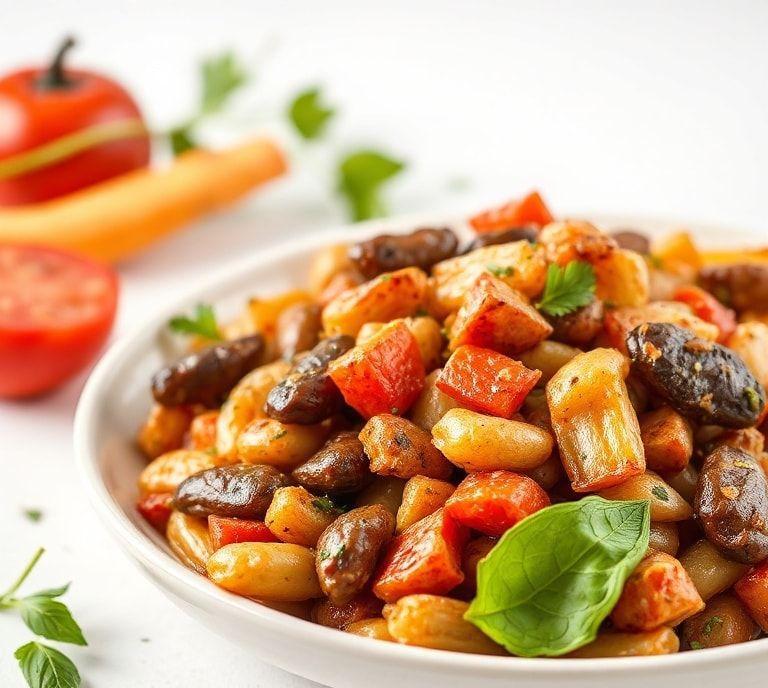
Chickpeas and quinoa are both excellent sources of plant-based protein, which means this salad delivers on the protein front without relying on meat or dairy. This dish is a testament to how you can build a meal around hearty, whole ingredients that are both filling and energizing.
The beauty of this salad lies in its simplicity: quinoa provides a complete protein, meaning it contains all nine essential amino acids, while chickpeas bring in that creamy texture and hearty bite. The vegetables-cucumbers, tomatoes, and red onion-add the perfect crunch and brightness to balance out the earthiness of the quinoa and chickpeas. Toss in some fresh herbs and a zesty lemon dressing, and you’ve got yourself a nutrient-dense dish that feels just as indulgent as it is wholesome.
Ingredients Needed
Now that you’re probably starting to get excited, let’s talk about the ingredients. I’ve always believed in using what’s fresh and available, but I’ll make sure you know exactly what you need to recreate this dish.
For The Salad
- 1 cup of quinoa (rinsed)
- 1 ½ cups cooked chickpeas (canned or boiled)
- 1 cucumber, diced
- 1 large tomato, diced
- 1 small red onion, finely chopped
- 1/4 cup fresh parsley, chopped
- 1/4 cup fresh mint, chopped
For The Dressing
- 2 tablespoons olive oil
- 1 tablespoon lemon juice
- 1 tablespoon apple cider vinegar
- 1 teaspoon Dijon mustard
- 1 clove garlic, minced
- Salt and pepper to taste
Cooking Instructions
The magic of this dish lies in how effortlessly it all comes together. It’s one of those recipes where you’ll feel like a pro with minimal effort. Here’s how to make it:
- Cook the Quinoa: Start by rinsing the quinoa thoroughly under cold water to remove its natural coating (saponin), which can make it taste bitter. Then, cook it according to the package instructions. Usually, it’s a 1:2 ratio of quinoa to water-bring it to a boil, reduce the heat, and let it simmer for 15 minutes or until the water is absorbed. Once it’s done, let it sit covered for 5 minutes, then fluff it with a fork.
- Prepare the Chickpeas: If you’re using canned chickpeas, drain and rinse them well to remove excess sodium. If you’re using dried chickpeas, soak them overnight and cook them until tender. Once they’re ready, you can give them a light smash with a fork if you prefer some of them broken up for texture.
- Chop the Veggies: While the quinoa and chickpeas are cooking, dice the cucumber, tomato, and red onion. Chop the fresh parsley and mint-these herbs will give the salad that fresh, aromatic flavor that’s absolutely essential.
- Make the Dressing: In a small bowl, whisk together the olive oil, lemon juice, apple cider vinegar, Dijon mustard, and minced garlic. Season with salt and pepper to taste.
- Assemble the Salad: Once the quinoa has cooled a bit (you don’t want it hot), toss it with the chickpeas, chopped veggies, and herbs. Pour the dressing over the top and toss everything to combine.
- Serve: You can serve this salad immediately, or let it sit for 15-30 minutes to let the flavors meld together. It’s delicious either way!
Ingredient Science Spotlight
You might be wondering why quinoa and chickpeas are so often paired in plant-based dishes. Here’s the science behind it:
- Quinoa is a unique grain that’s technically a seed but is treated like a whole grain. It’s one of the few plant-based foods considered a “complete protein”, meaning it contains all nine essential amino acids-something you usually only find in animal products. Quinoa is also high in fiber, iron, magnesium, and antioxidants, making it a nutritional powerhouse.
- Chickpeas, on the other hand, are rich in both protein and fiber. One cup of cooked chickpeas contains around 15 grams of protein and 13 grams of fiber, which can help keep you full for longer. They’re also packed with folate, manganese, and a good amount of vitamins and minerals, including B vitamins and zinc.
Together, these ingredients make for a satisfying, filling meal that fuels your body in a balanced way. Their combination of protein, fiber, and healthy fats is what makes this salad such a perfect meal for anyone looking to boost their plant-based nutrition.
Expert Tips
- Cook the quinoa in vegetable broth: If you want to add a bit more depth of flavor to the quinoa, cook it in vegetable broth instead of plain water. It’s a simple trick that gives the quinoa a richer taste without adding extra calories.
- Add crunch with nuts or seeds: If you like a bit of texture in your salads, consider topping it with roasted sunflower seeds or chopped almonds. It’s an easy way to add some extra protein and healthy fats.
- Don’t skip the resting time: If you have the time, let the salad sit in the fridge for 30 minutes before serving. This gives the flavors time to meld together, and the dressing will absorb into the quinoa and chickpeas, making each bite even more flavorful.
- Customize with roasted vegetables: If you want to take this salad to the next level, try adding roasted veggies like sweet potato or eggplant. They add an extra layer of sweetness and depth to the dish.
Recipe Variations
One of the things I love most about this salad is how adaptable it is. You can swap ingredients to suit your taste or what you have on hand:
- Lentils instead of chickpeas: If you’re not a fan of chickpeas, lentils make a great substitute. They have a similar texture and nutritional profile, with plenty of protein and fiber.
- Different herbs: While parsley and mint are my go-to, feel free to experiment with basil, cilantro, or even a bit of arugula for an extra peppery kick.
- Add feta or goat cheese: If you’re not strictly vegan, a little crumbled feta or goat cheese on top is a fantastic addition for some tangy creaminess.
- Tropical twist: For a summery variation, add some diced mango or pineapple to give the salad a sweet and tangy contrast to the savory flavors.
Final Words
At the end of the day, this Protein-Packed Chickpea and Quinoa Salad is all about balance-between protein and fiber, crunch and creaminess, fresh and earthy flavors. It’s an easy, satisfying meal that proves you don’t need to compromise on taste to eat healthy. Whether you enjoy it as a standalone meal or as a side dish, it’s versatile enough to be part of many meals.
FAQs
What Are Some High-protein Vegetarian Ingredients I Can Use In Recipes?
High-protein vegetarian ingredients include legumes such as lentils, chickpeas, and black beans; soy products like tofu, tempeh, and edamame; dairy products such as Greek yogurt, cottage cheese, and milk; nuts and seeds like almonds, chia seeds, and pumpkin seeds; and whole grains such as quinoa, amaranth, and buckwheat. Combining different protein sources can help ensure you get a complete amino acid profile.
How Can I Make A Vegetarian Meal That Is Both High In Protein And Balanced In Nutrients?
To create a balanced, high-protein vegetarian meal, include at least one major protein source (e.g., lentils, tofu, or Greek yogurt), a variety of colorful vegetables for vitamins and minerals, and whole grains for additional protein and fiber. Adding healthy fats from nuts, seeds, or avocado helps with nutrient absorption and satiety. For example, a quinoa and chickpea salad with roasted vegetables and tahini dressing offers a nutrient-rich, protein-dense meal.
Can I Get Enough Protein From A Vegetarian Diet Without Supplements?
Yes, it is possible to get sufficient protein from a vegetarian diet by carefully combining diverse protein-rich foods throughout the day. Legumes, soy products, dairy, nuts, seeds, and whole grains can collectively provide all essential amino acids if consumed in adequate amounts. Paying attention to portion sizes and variety is key to meeting daily protein requirements without relying on supplements.