Cooking, to me, has always been a journey-one that’s deeply rooted in tradition and personal memories. I grew up watching my grandmother in the kitchen, stirring pots of spices and blending flavors with the rhythm of a master. One dish that always stood out from those days was the humble "Aloo Gobi"-a dish so simple, yet so rich with warmth. It’s the kind of dish that feels like a hug for the soul. It was a staple in our house, especially on days when the weather was a little too cold, or the week was a bit too busy. Whether it was a weekday dinner or a special family gathering, this vegetarian delight never failed to bring a smile to our faces.
Indian vegetarian food has a special place in my heart because it’s incredibly diverse and flavorful. The use of spices is not just for taste, but also for their health benefits. That’s what I want to dive into today-showing you how to make an easy, delicious, and healthy Indian vegetarian dish that anyone can try at home, even if you’re a complete beginner in the kitchen.
Easy Indian Vegetarian Recipe: Aloo Gobi (Potato And Cauliflower Curry)
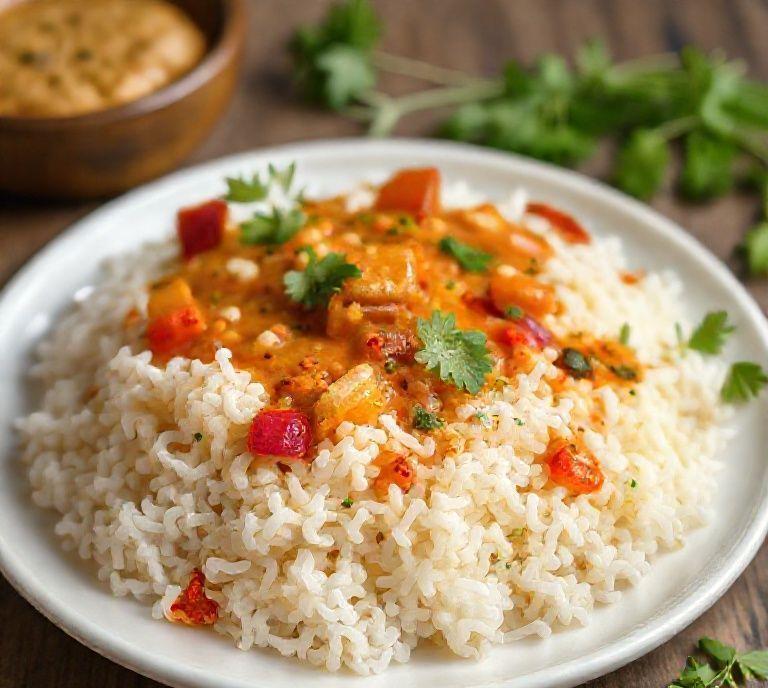
This Aloo Gobi recipe is one of the most comforting and satisfying vegetarian dishes in Indian cuisine. It’s full of vibrant spices and loaded with nutrients, making it not just delicious but healthy too. The best part? You don’t need any special equipment or tricky skills to make it.
I remember the first time I tried to recreate it on my own, I was nervous about getting the spices just right. But what I quickly learned is that Indian cooking is a lot more forgiving than it seems-if you can trust your senses and follow the rhythm of the cooking, it almost always turns out right.
Ingredients Needed
Now, before you get started, let’s talk ingredients. I’ve found that the key to any good Aloo Gobi is having the right balance of spices. You don’t need a lot of fancy ingredients; most of what you’ll need is likely already in your pantry or at your local grocery store.
For The Aloo Gobi
- 1 medium-sized cauliflower, cut into florets (fresh, not frozen-it holds the flavors better)
- 3 medium potatoes, peeled and diced into bite-sized cubes
- 2 tablespoons vegetable oil (I prefer mustard oil for the flavor, but any neutral oil will work)
- 1 medium onion, finely chopped
- 2 tomatoes, chopped (or 1/2 cup canned tomato puree)
- 2 cloves garlic, minced
- 1-inch ginger, minced
- 1 teaspoon cumin seeds
- 1/2 teaspoon turmeric powder (gives the dish that lovely yellow hue)
- 1 teaspoon ground coriander
- 1 teaspoon garam masala
- 1/2 teaspoon red chili powder (or adjust to your spice tolerance)
- Salt to taste
- 1/2 cup water (for cooking)
- Fresh cilantro leaves for garnish
Cooking Instructions
Making Aloo Gobi isn’t complicated at all, but the flavors are so rich and layered that it will feel like a mini culinary adventure. Let’s break it down step by step.
- Heat the oil: Start by heating your oil in a large pan over medium heat. If you’re using mustard oil, you’ll know it’s ready when it starts smoking a little.
- Sauté the cumin seeds: Add the cumin seeds to the hot oil. They should sizzle immediately. Let them cook for about 30 seconds-this will release their nutty, aromatic flavor into the oil.
- Add the onions, garlic, and ginger: Toss in the finely chopped onions, garlic, and ginger. Sauté them for about 5 minutes, stirring occasionally, until the onions turn golden brown and soft. This step is crucial because it builds the base flavor of the dish.
- Spices and tomatoes: Now, add the turmeric, ground coriander, garam masala, and red chili powder. Stir them in for about 1 minute to bring out their fragrance, and then add the chopped tomatoes (or puree). Cook the tomatoes until they soften and break down, about 5-7 minutes.
- Cook the potatoes: Once the tomatoes are cooked, add the diced potatoes. Stir to coat them in the spices. Add about 1/2 cup of water, cover, and let it cook for about 10 minutes. The potatoes should begin to soften by this point.
- Add the cauliflower: Now add the cauliflower florets. Stir everything gently to mix. Add more water if necessary, just enough to cover the veggies halfway. Cover and cook for another 10-15 minutes, until both the cauliflower and potatoes are tender but not mushy.
- Garnish and serve: Once cooked, taste and adjust the seasoning if needed. Garnish with freshly chopped cilantro leaves. Serve with warm chapatis, naan, or even some steamed rice for a complete meal.
Ingredient Science Spotlight
When you break down the ingredients of Aloo Gobi, you realize it’s not just comfort food-it’s also packed with health benefits. Let’s take a quick look at the science behind some of the key ingredients:
- Cauliflower: This vegetable is a cruciferous powerhouse, rich in fiber and antioxidants. It’s known to support heart health and fight inflammation. Cauliflower is also a great source of Vitamin C, which boosts your immune system.
- Potatoes: Although they sometimes get a bad rap, potatoes are actually quite nutritious when consumed in moderation. They’re high in potassium, which helps regulate blood pressure, and they’re a good source of Vitamin B6, important for brain health.
- Ginger and garlic: Both of these ingredients not only add flavor but are also known for their anti-inflammatory properties. They can help with digestion and boost your immune system, making this dish as healthy as it is tasty.
Expert Tips
- Spice adjustments: If you’re new to Indian cooking, feel free to start with half the amount of chili powder or garam masala. You can always add more later, but it’s harder to tone down spice once it’s in the dish!
- Make it your own: Aloo Gobi is highly customizable. If you prefer a richer flavor, add a dollop of yogurt or a splash of cream towards the end of cooking. Some people even throw in a handful of peas or carrots for extra color and nutrition.
- Cooking technique: If you prefer a slightly roasted texture for your vegetables, you can first roast the potatoes and cauliflower in the oven until golden, then add them to the sautéed spices. It adds a bit of depth to the flavor.
Recipe Variations
One of the reasons I love Indian vegetarian food is that it’s incredibly adaptable to personal preferences or whatever ingredients you have on hand. Here are a few variations of the Aloo Gobi recipe that you might want to try:
- Aloo Gobi Methi: Add a handful of fresh fenugreek leaves (methi) to the dish for a slightly bitter, aromatic twist. This will give the dish an entirely different flavor profile.
- Aloo Gobi with Peas: Adding green peas not only adds color but also brings a slight sweetness to balance the spices. It’s a lovely addition if you have a sweet tooth or just like a bit more variety in texture.
- Aloo Gobi Masala: For a more indulgent version, add a tablespoon of butter or ghee at the end and finish it with a squeeze of lemon juice. This will create a rich, silky sauce that pairs perfectly with naan.
Final Words
Indian food is often seen as intimidating by those unfamiliar with its vast array of spices, but it’s really about layering flavors with patience and love. A dish like Aloo Gobi is a perfect introduction to Indian vegetarian cooking because it’s not just about technique-it’s about feeling your way through the cooking process.
When I make this dish, it always takes me back to the simpler times of my childhood. It’s a dish that doesn’t demand perfection, but rewards you with a meal that’s deeply satisfying.
FAQs
What Are Some Easy Indian Vegetarian Recipes For Beginners?
For beginners, some easy Indian vegetarian recipes include Aloo Gobi (potato and cauliflower curry), Chana Masala (spicy chickpea curry), and Vegetable Pulao (spiced rice with mixed vegetables). These recipes typically use basic ingredients like potatoes, tomatoes, onions, and common spices such as cumin, coriander, turmeric, and garam masala. The cooking process is simple, and the dishes are flavorful and satisfying.
How Do I Make A Quick And Easy Indian Dal?
To make a quick and easy Indian dal, start by washing 1 cup of lentils (such as yellow moong dal or masoor dal). In a pot, cook the lentils with 4 cups of water, a pinch of turmeric, and salt until they become soft and mushy. In a separate pan, heat some oil and sauté onions, garlic, ginger, and green chilies. Add tomatoes and cook until soft. Then, mix this tempering into the cooked lentils and let it simmer for a few minutes. Garnish with cilantro and serve with rice or roti.
What Are Some Easy Indian Vegetarian Recipes That Don’t Require Many Spices?
If you want to prepare easy Indian vegetarian dishes with minimal spices, try recipes like Vegetable Pulao (rice and vegetables), Aloo Tikki (spiced potato patties), and Cucumber Raita (yogurt-based side dish). These recipes can be made using basic spices such as cumin, coriander, and salt, without the need for complex spice mixes. They still capture the essence of Indian cuisine while keeping things simple.