Sushi-it’s one of those foods that just speaks to the soul. There’s something about the delicate balance of flavors, the freshness, and the art of crafting something so visually striking that makes it feel special. I remember the first time I had sushi. It was a summer evening in a little coastal town, and I was sitting at a tiny sushi bar that only had a handful of seats. I had never tried sushi before, but the moment I placed that first bite in my mouth, I was hooked. The textures, the flavors, the simplicity-everything just clicked. Fast forward a few years, and sushi has become one of my go-to meals. But not just any sushi-vegetarian sushi rolls. They’re fresh, they’re light, and they give me a way to get creative in the kitchen.
If you’re someone who’s trying to eat more plant-based meals or simply looking for a healthier twist on the traditional sushi roll, I’ve got just the recipe for you. This vegetarian sushi roll isn’t just for vegetarians-it’s for anyone who loves bright, vibrant flavors and the satisfaction of making something at home that tastes just as good as what you’d find at a restaurant.
Vegetarian Sushi Rolls Recipe
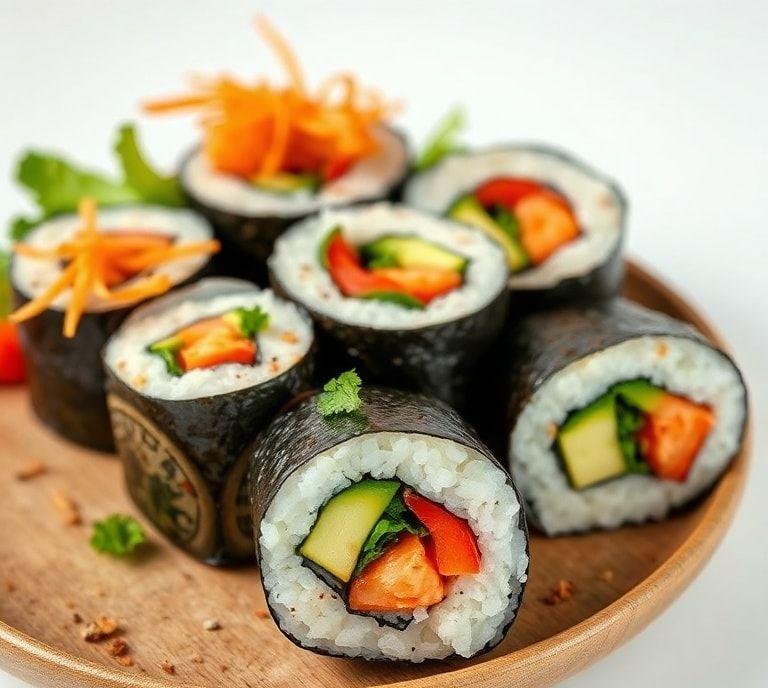
Sushi doesn’t have to be daunting to make at home. With the right ingredients, a little patience, and a touch of creativity, you can whip up your own sushi rolls in no time. Here’s a simple recipe that brings together the freshness of vegetables with the satisfying crunch of crispy rice. Whether you’re an experienced sushi maker or a complete beginner, you’ll find that the process is easy, fun, and rewarding.
Ingredients Needed
Before we get into the cooking, let’s gather everything we need. This vegetarian sushi roll is all about fresh, colorful veggies and a few pantry staples that make the roll stick together.
- Sushi rice – You want to make sure you’re using sushi rice, which is short-grain rice that becomes sticky once cooked. This is the foundation of the sushi roll and gives it that signature texture. You can find sushi rice at most grocery stores or specialty Asian markets.
- Rice vinegar – This adds the tangy flavor to the rice. It’s mixed with a little sugar and salt to create the sushi rice seasoning.
- Nori (seaweed sheets) – These dark green sheets of seaweed are what hold everything together. They add a nice umami flavor to the roll.
- Cucumber – Fresh and crisp, cucumber is a classic sushi filling that adds a refreshing crunch.
- Avocado – This is for that creamy, buttery element that balances out the crunchy vegetables.
- Carrot – A bit of color and sweetness-carrot matches perfectly with the other fillings, especially when it’s julienned thinly.
- Pickled radish – A splash of color and a slight tanginess that adds complexity.
- Soy sauce – For dipping the sushi once it’s rolled.
- Sesame seeds (optional) – If you want to add a little texture and nutty flavor to the outside of the roll, sesame seeds are a great addition.
- Wasabi and pickled ginger (optional) – These can be served on the side for an extra kick of heat and spice.
Cooking Instructions
- Prepare the sushi rice: Start by rinsing your sushi rice under cold water until the water runs clear. This helps remove excess starch. Then cook the rice according to the package instructions, either in a rice cooker or on the stovetop. Once it’s cooked, transfer it to a flat container (like a baking sheet) and gently fan it while sprinkling the rice vinegar mixture (rice vinegar, sugar, and salt) over the rice. Let it cool to room temperature.
- Prep your fillings: While the rice cools, slice your vegetables. For the cucumber and carrot, julienne them into thin strips. The avocado should be sliced into thin, manageable pieces. If you’re using pickled radish, slice it into long strips as well. You want all the fillings to be roughly the same size so they fit neatly inside the roll.
- Set up your rolling station: Lay out a bamboo sushi mat on a flat surface, and place a sheet of nori shiny-side down on the mat. Wet your hands with a little water (to keep the rice from sticking) and spread a thin layer of rice over the nori, leaving about an inch at the top free of rice.
- Add the fillings: Along the bottom edge of the rice, arrange your vegetables: a strip of cucumber, avocado, carrot, and pickled radish. Keep it tight but not too packed-you want the roll to close smoothly.
- Roll it up: Carefully lift the edge of the bamboo mat and begin rolling the sushi, using your fingers to keep the fillings in place as you roll it tightly. Once you reach the exposed inch of nori, wet it lightly and seal the roll.
- Slice the roll: Use a sharp knife to slice the roll into bite-sized pieces. Wipe the knife between cuts to keep things clean.
- Serve: Arrange your sushi on a plate, sprinkle with sesame seeds if desired, and serve with soy sauce, wasabi, and pickled ginger on the side.
Ingredient Science Spotlight
You might wonder why certain ingredients like rice vinegar and nori are used in sushi. It all boils down to balancing flavor and texture. The rice vinegar adds acidity, which cuts through the richness of the avocado and the slight sweetness of the carrot. The nori, on the other hand, provides a deep umami flavor, which is essential in balancing the fresh vegetables. Plus, it’s packed with nutrients like iodine and fiber.
Sushi rice, specifically, is a masterpiece of texture. It’s sticky, but not too gooey, allowing it to hold together in the roll while still maintaining a slight bite. The starch in the rice binds with the vinegar, sugar, and salt, giving it that characteristic sushi taste. When you get the rice just right, everything else seems to fall into place.
Expert Tips
- Get the rice right: The texture of the sushi rice is everything. If it’s too dry or too sticky, your rolls won’t come together as neatly. Make sure to rinse the rice properly before cooking and let it cool before rolling.
- Sharp knife: Use a sharp knife to slice the rolls. A dull knife will squash the roll, ruining the clean look of the sushi.
- Use a bamboo mat: It’s a simple tool, but it makes a world of difference. A bamboo sushi mat helps you roll the sushi evenly and tightly, ensuring everything stays in place.
- Fresh ingredients: This goes without saying, but the fresher your veggies, the better your rolls will taste. A ripe avocado, a crisp cucumber, and a fresh carrot are key to achieving the perfect bite.
- Practice makes perfect: Don’t worry if your first roll looks a little rough. Sushi making takes practice, and over time, you’ll get the hang of it!
Recipe Variations
While this vegetarian sushi roll is delicious on its own, there’s always room for customization. Here are a few ideas:
- Sweet potato: Roasted sweet potato adds a savory-sweet twist that complements the creamy avocado.
- Spinach or arugula: Add a handful of greens for a peppery bite.
- Tofu: For a bit more protein, add crispy fried tofu or marinated tofu to the mix.
- Mango: If you want to add a bit of tropical sweetness, a few thin slices of ripe mango will brighten up the flavor.
- Tempura veggies: For a crunchy texture, try adding tempura-fried vegetables like zucchini or sweet potato to your roll.
Final Words
Making vegetarian sushi rolls at home isn’t just a cooking task-it’s an experience. It’s about taking a few simple ingredients and transforming them into something creative and satisfying. Whether you’re prepping for a weeknight dinner or a gathering with friends, this recipe is flexible, customizable, and surprisingly easy.
FAQs
What Are The Essential Ingredients For Making Vegetarian Sushi Rolls?
The essential ingredients for vegetarian sushi rolls typically include sushi rice, nori (seaweed sheets), rice vinegar, sugar, and salt. Common fillings for vegetarian sushi rolls are vegetables such as cucumber, avocado, carrots, and bell peppers, along with optional additions like pickled radish or tofu. You can also include vegan-friendly ingredients like cream cheese or tempura vegetables for added flavor and texture.
How Do You Prepare The Sushi Rice For Vegetarian Sushi Rolls?
To prepare sushi rice, first rinse 1 cup of sushi rice under cold water until the water runs clear. Then, cook the rice according to package instructions, typically using a rice cooker. Once cooked, transfer the rice to a large bowl and let it cool slightly. In a separate bowl, mix 2 tablespoons of rice vinegar, 1 tablespoon of sugar, and 1 teaspoon of salt until dissolved. Gently fold this vinegar mixture into the warm rice, ensuring it is evenly distributed without mashing the rice grains.
Can I Make Vegetarian Sushi Rolls Without A Sushi Mat?
Yes, you can make vegetarian sushi rolls without a sushi mat. While a sushi mat (makisu) helps in rolling the sushi neatly, it is not essential. You can use a piece of parchment paper or simply use your hands to carefully roll the sushi. If using your hands, it’s important to keep the nori sheet on a flat surface, spread the rice evenly, add your fillings, and then tightly roll it up, applying gentle pressure. You may need to practice to ensure a tight and even roll.