For as long as I can remember, food has always been a way for me to connect with culture, people, and memories. There’s something magical about the way flavors come together, how spices blend, and how each bite tells a story. Indian food, in particular, has always had a special place in my heart. The balance of rich, aromatic spices, the complexity of the dishes, and the warmth they bring are unmatched. Growing up in a community where food was a central part of life, I had my first taste of vegetarian Indian cuisine at a family gathering. My aunt had prepared a simple yet exquisite dish, one of those that you only need one bite to fall in love with. Since then, I’ve been hooked, learning and experimenting with the recipes, tweaking them, and often sharing them with friends who were unfamiliar with Indian food.
This recipe is for one of my absolute favorites-a comforting vegetarian Indian dish that embodies the essence of Indian home-cooking. It’s simple, nutritious, and full of flavor. If you’re new to vegetarian Indian cuisine, this dish will give you a perfect introduction to its depth and variety.
Vegetarian Indian Recipe: Spicy Lentil Tadka
Lentils are such a beautiful staple in Indian cooking. They’re not only incredibly healthy, but they also soak up flavors so wonderfully. In this recipe, I’m going to share how to make a Spicy Lentil Tadka (also known as Dal Tadka), which is a popular Indian dish. The lentils are cooked to perfection and then paired with a spicy tempering (the "tadka") made from mustard seeds, cumin, garlic, and green chilies. It’s the kind of dish you want to dip your bread into, or mix with steamed rice for a comforting meal.
Ingredients Needed
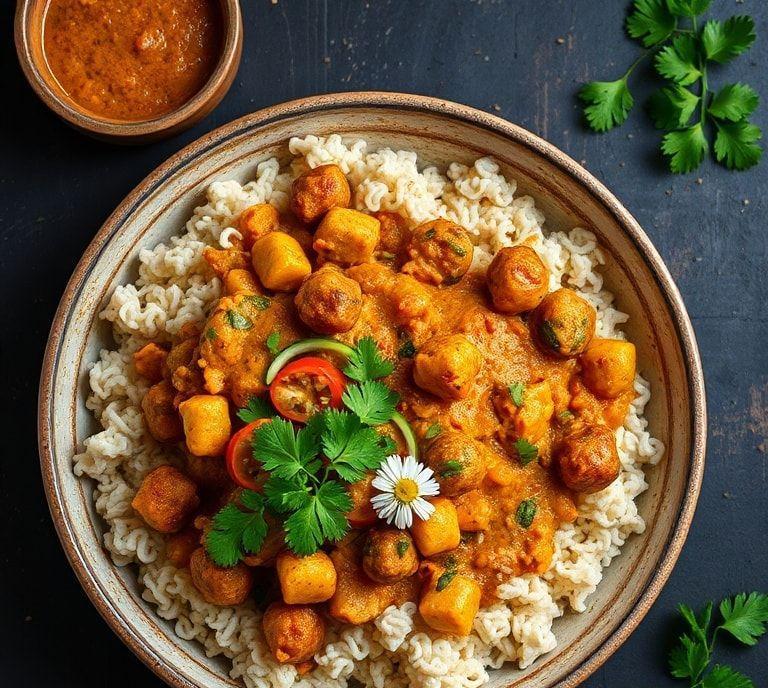
This is where the magic begins-the spices, the textures, and the richness. Let’s break down the ingredients. You might already have most of them in your kitchen, but if not, they’re easy to find at your local grocery store or spice shop.
- 1 cup Yellow Split Lentils (Toor Dal) – This is the heart of the dish. Yellow split lentils cook quickly and absorb flavors beautifully.
- 4 cups Water – To cook the lentils to a soft, melt-in-your-mouth consistency.
- 1 medium Onion, finely chopped – It adds sweetness and depth when sautéed.
- 2 Tomatoes, chopped – Tomatoes bring acidity and balance to the rich dish.
- 1 tablespoon Ghee (Clarified Butter) – If you want to go full traditional, ghee is non-negotiable. Its nutty, rich flavor is what elevates this dish to greatness.
- 1 teaspoon Cumin Seeds – These will get toasted in the hot oil, releasing an earthy flavor that sets the stage for the rest of the spices.
- 1/2 teaspoon Turmeric Powder – For the lovely golden color and a subtle, slightly bitter taste.
- 1 teaspoon Coriander Powder – Adds warmth and depth to the dish.
- 1/2 teaspoon Red Chili Powder – The heat! You can adjust this depending on how much spice you like.
- 2 Green Chilies, slit lengthwise – Adds an extra punch of spice.
- 2 cloves Garlic, minced – Garlic is a backbone of flavor in Indian cooking, providing that savory richness.
- 1 teaspoon Mustard Seeds – These will pop in the oil, adding a delightful crunch and a sharpness that complements the lentils.
- 1 sprig Fresh Cilantro, chopped – For garnish and freshness. The bright, citrusy flavor balances the richness of the dal.
- Salt, to taste – Always taste before adding the salt-lentils can be surprisingly forgiving with seasoning.
Cooking Instructions
Now, let’s get to the fun part-cooking. The process itself is easy, but it’s all about layering flavors and being patient.
- Cook the Lentils: Rinse the toor dal thoroughly under cold water until the water runs clear. In a large pot, combine the lentils with water, a pinch of turmeric, and a bit of salt. Bring it to a boil, then reduce the heat and simmer for about 20-25 minutes, or until the lentils are soft and have broken down. You want them to be creamy and easily mashable. You can also use a pressure cooker to speed things up-just 3-4 whistles should do the trick.
- Prepare the Tadka (Tempering): While the lentils are cooking, heat the ghee in a pan over medium heat. Once it’s hot, add the mustard seeds. They should start popping within seconds. At this point, add the cumin seeds, and let them toast until they darken slightly (about 30 seconds). Then, toss in the minced garlic and sauté for a minute or until golden brown.
- Add the Onions and Tomatoes: Now, add the chopped onions. Let them sauté until they’re soft and caramelized, about 7-10 minutes. The longer you cook the onions, the sweeter they’ll become. Once they’re golden, throw in the chopped tomatoes, red chili powder, coriander powder, and a pinch of salt. Cook until the tomatoes soften and the oil begins to separate from the masala (spice mixture).
- Combine the Tadka and Lentils: Once the lentils are cooked, pour the tadka (spicy tempering) into the pot with the lentils. Stir everything together, and taste for seasoning. Adjust the salt, or add more water if it’s too thick.
- Simmer and Finish: Let the lentils simmer for another 10 minutes to allow the flavors to meld. The dal should be thick, smooth, and comforting.
- Garnish and Serve: Finally, sprinkle chopped cilantro on top for a fresh burst of flavor. Serve hot with basmati rice, roti, or even some papadam on the side for crunch.
Ingredient Science Spotlight
Let’s talk about the science behind this dish for a moment. You might have heard of lentils being a powerhouse of protein, and they truly are. But there’s more to their nutritional profile. They’re rich in fiber, which helps regulate digestion and keeps you full longer. The turmeric in this recipe not only gives it that lovely golden hue but also contains curcumin, a compound that has anti-inflammatory and antioxidant properties. Onions and garlic, as humble as they may seem, both have compounds that are known to support heart health and boost the immune system. And the mustard seeds? They’re loaded with beneficial oils that help with digestion and can even boost metabolism.
Expert Tips
- Cook the lentils properly: It’s easy to overcook lentils or leave them too firm. The perfect consistency should be soft, creamy, and thick, but not too watery. You can mash some of the lentils to make the dal thicker and creamier.
- Ghee vs. Oil: While you can use oil in place of ghee, if you can, go for ghee. It adds a richness that oil just can’t replicate. If you’re vegan, you can use coconut oil for a slightly different flavor, but ghee is king here.
- Customize the spice level: If you want a milder dish, cut back on the chili powder or omit the green chilies. But for the full experience, don’t hold back on the heat.
- Use a pressure cooker: If you’re short on time, a pressure cooker can cut down the cooking time for the lentils to just 15 minutes.
- Fresh cilantro: Always garnish with fresh cilantro just before serving. The slight citrusy flavor brightens up the entire dish.
Recipe Variations
- Spinach Dal: Add a handful of spinach or other leafy greens in the final simmering stage for added nutrients. This variation is particularly nice for a one-pot, extra-healthy meal.
- Lemon Dal: If you want a burst of freshness, squeeze some lemon juice into the dal right before serving. The acidity will bring out the spices and add a zesty contrast to the richness of the dal.
- Coconut Dal: If you’re craving a creamy twist, add a few tablespoons of coconut milk to the dal after it’s cooked. This will give it a velvety texture and a slight sweetness.
Final Words
There’s something deeply satisfying about preparing a meal like this. It’s not just about nourishing the body, but also about connecting to something greater-whether it’s the history of the dish, the culture it comes from, or the joy of sharing it with others. Cooking is one of the few activities where time seems to stand still as you enjoy the process and anticipate the reward.
FAQs
What Are Some Common Ingredients Used In Vegetarian Indian Recipes?
Common ingredients in vegetarian Indian recipes include a variety of fresh vegetables like tomatoes, potatoes, spinach, and cauliflower, as well as legumes such as lentils, chickpeas, and kidney beans. Spices are also crucial and typically include cumin, coriander, turmeric, garam masala, and mustard seeds. Additionally, ingredients like ginger, garlic, onions, yogurt, and fresh cilantro are commonly used to enhance flavor.
Are Vegetarian Indian Recipes Typically Spicy?
Vegetarian Indian recipes can range from mild to very spicy, depending on the type of dish and regional variations. Some dishes, especially those from northern India, tend to be milder, focusing more on the flavor of the spices rather than heat. However, southern Indian dishes often incorporate more chili peppers, making them spicier. Adjusting the amount of chili or other heat sources like green chilies allows you to control the spiciness of the recipe.
Can I Make Vegetarian Indian Recipes Ahead Of Time?
Yes, many vegetarian Indian recipes can be made ahead of time. Dishes like dal (lentil stew), curries, and rice dishes often taste even better after they’ve been allowed to sit for a few hours or overnight, as the flavors meld together. Additionally, you can prepare ingredients like chopped vegetables, pre-cooked rice, or homemade masala spice blends in advance to save time when cooking later.