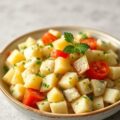
Cooking can be a creative escape. For me, the best meals aren’t always the fanciest, but the ones that are simple, full of flavor, and grounded in natural ingredients. When I first experimented with vegetarian stir-fries, I wasn’t trying to reinvent the wheel, but just create something that felt like home-a comforting dish that didn’t require a whole lot of effort but still delivered big on taste. Over the years, I’ve perfected a healthy vegetarian stir-fry recipe that’s perfect for any weeknight meal or a laid-back dinner with friends.
The beauty of a stir-fry lies in its versatility. You can throw in almost anything you have on hand and come up with something amazing. It’s easy to whip up, and the textures and flavors blend together in the most satisfying way. The best part? It’s super customizable to suit dietary preferences and to work with whatever vegetables are in season or that you need to use up from the fridge.
If you’re like me and sometimes find yourself with leftover veggies, this recipe is the perfect solution. It’s quick, healthy, and satisfying-every bite a little burst of flavor. Let’s dive into this recipe and make something simple, vibrant, and nourishing!
Healthy Stir-fry Vegetarian Recipe
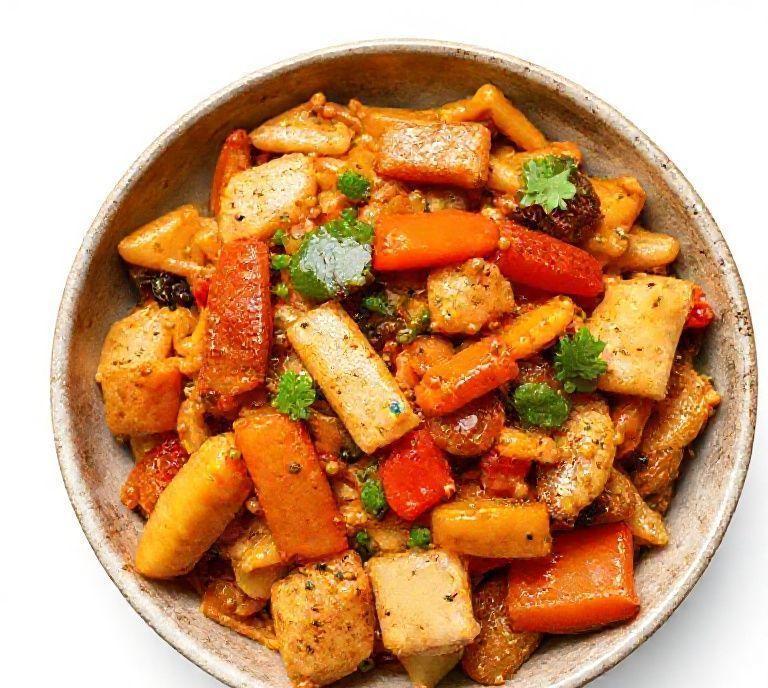
This stir-fry is all about balance: crisp vegetables, hearty grains, and a sauce that brings everything together in perfect harmony. What I love about it is how adaptable it is. You can tweak the ingredients to your liking, but the base of this recipe is built on good-for-you veggies and lean protein from tofu. It’s a meal that feels light but is packed with nutrition.
Ingredients Needed
The beauty of this stir-fry is that it doesn’t require a grocery run with a long shopping list. Most of these ingredients can be found in your kitchen or fridge already, and if not, they’re easy to find. Here’s what you’ll need:
- 1 block of firm tofu (drained and pressed)
- 2 tbsp vegetable oil (or sesame oil for more flavor)
- 1 medium onion, sliced
- 2 garlic cloves, minced
- 1 bell pepper, thinly sliced (red or yellow works best for color)
- 1 zucchini, sliced
- 1 cup broccoli florets
- 1 medium carrot, julienned or thinly sliced
- 2 cups cooked brown rice (or any grain you like-quinoa, jasmine rice, or cauliflower rice for a low-carb option)
- 1-2 tbsp soy sauce (or tamari for a gluten-free version)
- 1 tbsp rice vinegar (adds a touch of acidity)
- 1 tbsp sesame oil (optional, but it adds depth)
- 1 tsp fresh ginger, grated (or ½ tsp ground ginger)
- 1 tbsp maple syrup or honey (a touch of sweetness balances the dish)
- Sesame seeds for garnish
- Chopped green onions (optional, but they add a nice pop of flavor and color)
Cooking Instructions
Cooking a stir-fry is like playing a quick, easy game where timing and heat are key. The whole process only takes about 20 minutes, so you’ll be sitting down to a delicious plate of food in no time. Here’s how you do it:
- Prepare the tofu: Start by draining and pressing the tofu to get rid of excess water. I use a clean kitchen towel or paper towels and place something heavy on top (a can works great) for about 10-15 minutes. Afterward, cut it into cubes.
- Cook the rice: If you don’t have leftover rice, go ahead and cook it now. Brown rice or any other grain works well. You want to have it ready to serve once everything is done.
- Sauté the tofu: Heat 1 tablespoon of vegetable or sesame oil in a large skillet or wok over medium-high heat. Once it’s hot, add the tofu cubes and let them cook for about 5-7 minutes, turning occasionally until they’re crispy and golden on all sides. Take them out and set them aside for later.
- Sauté the veggies: In the same pan, add the remaining tablespoon of oil. First, add the onion and sauté for 2 minutes until softened. Then, add the garlic and ginger and cook for another minute, stirring constantly to avoid burning.
- Stir-fry the vegetables: Add the bell pepper, zucchini, carrots, and broccoli to the pan. Stir everything around for about 5-7 minutes until the vegetables are tender but still vibrant and slightly crisp.
- Bring it all together: Toss the cooked tofu back into the pan with the veggies. Add the cooked rice, soy sauce, rice vinegar, sesame oil, and maple syrup. Stir everything together and let it cook for an additional 2-3 minutes, so the flavors can combine.
- Finish it up: Serve your stir-fry hot, garnished with sesame seeds and green onions if you like.
And that’s it! You’ve got yourself a healthy, delicious stir-fry that’s bursting with flavor.
Ingredient Science Spotlight
What makes this stir-fry both healthy and satisfying isn’t just the combination of flavors, but the way the ingredients work together on a nutritional level.
- Tofu: Tofu is an excellent plant-based protein source, rich in essential amino acids and low in calories. It’s also a great source of iron and calcium, two minerals that many vegetarians sometimes struggle to get enough of. The trick to getting tofu crispy is pressing it properly to remove excess water, which gives it a more substantial texture.
- Vegetables: From zucchini to carrots to bell peppers, these veggies provide a range of vitamins and minerals, especially vitamin C, fiber, and antioxidants. The crunch of the vegetables adds texture to the dish, and their natural sweetness complements the savory soy sauce and sesame oil perfectly.
- Sesame Oil and Seeds: Not only does sesame oil add a deep, nutty flavor, but it’s also rich in antioxidants and healthy fats. It’s a heart-healthy fat, and the sesame seeds sprinkled on top provide a nice crunch while boosting the dish’s fiber and protein content.
- Brown Rice: Whole grains like brown rice provide complex carbohydrates that give you long-lasting energy. They’re also a good source of magnesium, which is essential for muscle function and relaxation.
Expert Tips
- Press your tofu well: If you want your tofu to get crispy, pressing it is key. This helps eliminate excess moisture, so the tofu can crisp up nicely when sautéed. Don’t rush this step.
- Keep the heat high: Stir-fries cook best over high heat. You want the vegetables to char a little and still remain crisp. If you cook them on too low of a heat, they’ll just steam and become soggy.
- Use fresh ginger: Fresh ginger really elevates the dish. It adds a zingy warmth that pairs beautifully with the soy sauce and sesame oil. If you don’t have fresh ginger, powdered works, but fresh is really the best.
- Add your sauce at the end: The key to a stir-fry is balancing flavors. Add your sauces and seasonings last so they don’t burn, but also so the flavors have a chance to really meld together with the tofu and vegetables.
Recipe Variations
The beauty of stir-fries is that you can change it up depending on your taste or what’s in your pantry. Here are some variations you might want to try:
- Add more protein: If you want more protein, you can add tempeh, chickpeas, or edamame. These all pair beautifully with the flavors in the stir-fry.
- Change the grains: If you want to make this dish gluten-free or low-carb, try cauliflower rice instead of brown rice. For a heartier version, quinoa or even noodles like soba work wonderfully.
- Swap the veggies: Don’t have zucchini? Try snap peas, mushrooms, or cabbage. It’s all about mixing up textures and flavors, so feel free to get creative.
- Add some spice: For a bit of heat, add a few red pepper flakes or a chopped chili to the stir-fry. If you love the tanginess of sriracha, a drizzle of that on top can also work wonders.
Final Words
This healthy stir-fry recipe is perfect for busy weeknights when you need something quick, nourishing, and delicious. It’s versatile, easy to make, and always delivers on flavor. The combination of crispy tofu, vibrant vegetables, and savory sauce gives you the kind of comfort food that leaves you feeling full without being weighed down.
There’s something so satisfying about a stir-fry-the way everything comes together in one pan. It’s quick, it’s easy, and you can customize it to your heart’s desire. Plus, it’s a great way to clean out the fridge and enjoy fresh, seasonal veggies.
FAQs
What Vegetables Are Best For A Healthy Stir-fry Vegetarian Recipe?
For a healthy stir-fry, a variety of colorful vegetables works well, providing a range of nutrients. Some great options include broccoli, bell peppers, carrots, snap peas, spinach, zucchini, and mushrooms. These vegetables are rich in vitamins, minerals, and fiber, and they hold up well when stir-fried. It’s also a good idea to include leafy greens for added antioxidants.
Can I Use A Store-bought Sauce For My Healthy Stir-fry, Or Should I Make My Own?
While store-bought sauces can be convenient, many of them contain added sugars, sodium, and preservatives. For a healthier stir-fry, it’s often better to make your own sauce using simple ingredients like low-sodium soy sauce, garlic, ginger, sesame oil, and a bit of honey or rice vinegar for balance. Making your own allows you to control the ingredients and customize the flavor to your liking.
How Can I Add Protein To A Vegetarian Stir-fry Without Using Tofu?
There are several plant-based protein options you can use in place of tofu for a vegetarian stir-fry. Some great alternatives include tempeh, seitan, edamame, or legumes such as chickpeas or lentils. These protein sources are not only healthy but also provide a variety of textures and flavors to complement the stir-fried vegetables.