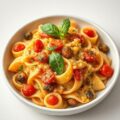
There’s something about food that brings people together, don’t you think? It’s not just about what’s on the plate; it’s the stories shared over a meal, the memories we make while cooking, and the comforting ritual of preparing a dish that connects us to our roots. One dish that’s always been close to my heart-and a favorite among friends-is Rasta Pasta. Now, while the classic version often involves chicken or shrimp, I’m particularly fond of this vegetarian take. It’s a celebration of vibrant flavors, rich colors, and bold spices, all packed into a dish that feels like a warm hug.
I first encountered Rasta Pasta at a reggae-themed restaurant while traveling. The vibe was laid-back, the music was always playing, and the food was an explosion of flavors. I was immediately drawn to the creamy pasta with vibrant colors-like the dish was infused with the spirit of the Caribbean. What I didn’t know at the time was that this was a modern twist on a traditional Jamaican dish, where comfort food meets bold Caribbean ingredients. The dish has become a go-to in my kitchen, and I love how it has evolved, especially when made with fresh vegetables for a lighter, vegetarian version.
If you’ve never tried Rasta Pasta, you’re in for a treat. And if you’re already a fan, this recipe will add some new twists that might just make it your new favorite weeknight meal.
Vegetarian Rasta Pasta Recipe
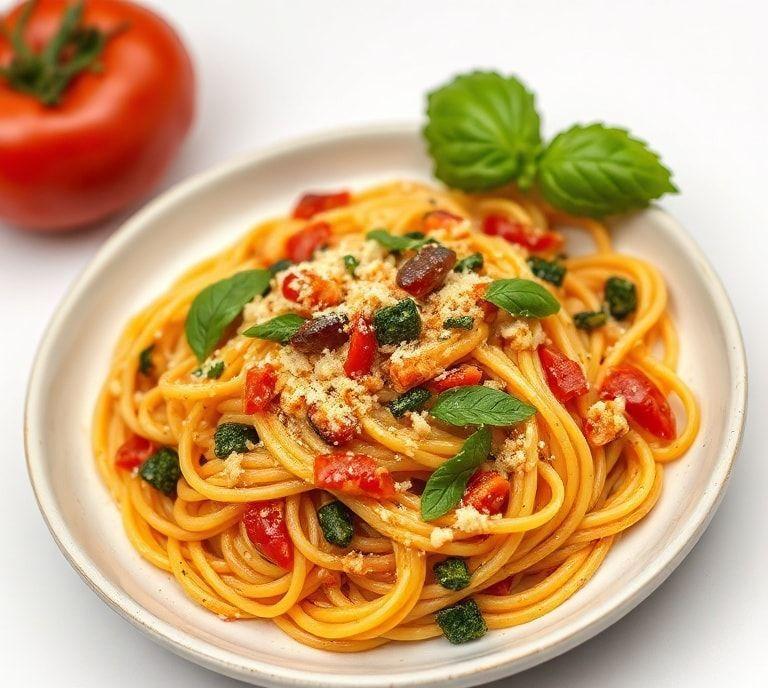
This vegetarian version of Rasta Pasta is just as satisfying as the traditional one. We’re keeping the creamy sauce, but instead of meat or seafood, we’re filling it with hearty, colorful vegetables that give each bite a burst of flavor. Think bell peppers, onions, and a bit of heat from Scotch bonnet peppers (if you like a kick!). And of course, we’ll finish it off with a silky, creamy sauce that’s rich but not heavy, letting the veggies shine through.
Ingredients Needed
Before we get to the fun part-cooking-let’s gather everything we’ll need for this veggie-packed, creamy pasta.
- Pasta: I like to use penne or rigatoni for this dish, but any pasta shape will work. The grooves of the pasta really help hold onto the sauce, so go for something that’ll let that creamy goodness cling.
- Olive oil: A good base for sautéing and adding flavor.
- Red bell pepper: Sweet, vibrant, and crunchy. You can also add yellow or orange peppers for a little color variation.
- Green bell pepper: Adds a nice contrast in both flavor and color.
- Scallions (green onions): They bring a fresh, mild onion flavor without being too overpowering.
- Red onion: Sweet and sharp, red onion adds depth to the dish.
- Garlic: Because who doesn’t love garlic? It adds a savory punch that complements the sweetness of the peppers.
- Scotch bonnet pepper (optional): This is where the real heat comes from. If you like spice, it’ll give the dish a kick. You can always tone it down or skip it if you’re not into the heat.
- Tomatoes: Fresh tomatoes add juiciness and a bit of acidity that balances the richness of the sauce.
- Heavy cream or coconut cream: This is what gives the dish its silky, creamy texture. Coconut cream will give it a tropical twist, while heavy cream provides a more classic flavor.
- Cheese (Parmesan or a blend of cheeses): For that rich, cheesy finish.
- Seasonings: Salt, black pepper, thyme (dried or fresh), paprika, and all-purpose seasoning. These seasonings help build a strong flavor foundation.
- Fresh parsley or cilantro: A little greenery to finish the dish and add some freshness.
Cooking Instructions
- Cook the Pasta: Start by boiling a large pot of salted water. Cook your pasta according to the package instructions, until it’s al dente. Once done, drain and set aside, but don’t forget to save a cup of pasta water. You’ll need it later to help make the sauce velvety.
- Sauté the Vegetables: Heat olive oil in a large skillet or frying pan over medium heat. Add the onions, bell peppers, and garlic. Sauté for about 5-7 minutes, or until the vegetables are tender and aromatic. If you’re using Scotch bonnet pepper, be careful-add it in now for a few minutes, just enough to release its heat. Adjust to your spice tolerance! You want the veggies soft, but not mushy. They should still have a little bite.
- Add the Tomatoes and Seasoning: Once the veggies are cooked, add in your tomatoes. Stir them in and let them cook down for a few minutes. You’re looking for the tomatoes to soften and release their juices. Sprinkle in your thyme, paprika, salt, and pepper, along with any all-purpose seasoning you like.
- Make the Creamy Sauce: Turn the heat down to low, and add the cream (or coconut cream) to the skillet. Stir everything together and let it simmer for a few minutes until the sauce thickens slightly. If the sauce is too thick, add a little of the pasta water you saved earlier to thin it out.
- Combine the Pasta and Sauce: Add the cooked pasta to the skillet and toss it well in the sauce. The pasta should be well coated, with the vegetables spread throughout. Add in your cheese and stir it in until it’s melted and incorporated into the sauce. Taste and adjust seasoning if necessary.
- Garnish and Serve: Sprinkle fresh parsley or cilantro on top to bring some brightness to the dish, and serve hot. You can add extra cheese for those who love a cheesy finish.
Ingredient Science Spotlight
Each ingredient in this dish plays a unique role-not just in flavor, but also in how it interacts with others. For example, the bell peppers and onions provide sweetness and crunch, which complement the creamy, rich sauce. The acidity from the tomatoes balances the richness of the cream, making the dish feel lighter than it actually is.
The heavy cream or coconut cream is key for that silky texture, but what makes the sauce extra special is how the starch from the pasta helps thicken it. This is the science of emulsification, where the fat in the cream and the starch from the pasta combine to create a creamy, cohesive sauce. The cheese adds an extra layer of creaminess, and its saltiness helps balance out the sweetness of the peppers and tomatoes.
If you’re using coconut cream, you’re getting a bit of healthy fat (which can make you feel fuller for longer) along with a natural sweetness that pairs beautifully with the spices. Plus, coconut cream adds that tropical flavor that transports you straight to a sunny island.
Expert Tips
- Adjusting the Spice Level: The Scotch bonnet pepper packs a serious punch. If you’re new to spicy food, start with just a small piece of the pepper and gradually add more. If you want to skip the heat, you can use a milder chili like jalapeño or even skip the pepper altogether. You’ll still get a flavorful dish.
- Pasta Choices: Penne or rigatoni work well here because their shape helps trap the sauce. But feel free to use whatever pasta you have on hand. If you want a gluten-free version, there are plenty of gluten-free pasta options out there-just be sure to follow the package instructions carefully for texture.
- Make It Vegan: To make this dish vegan, simply swap out the cream for coconut cream (or any plant-based cream), and use vegan cheese or skip the cheese entirely. It’ll still be delicious, creamy, and satisfying!
- Herbs and Seasonings: The fresh herbs really elevate the dish. Don’t skip the fresh parsley or cilantro-they add a burst of freshness that contrasts the richness of the pasta. If you’re using dried herbs, go for about 1/3 of the amount you’d use for fresh.
Recipe Variations
- Add Beans: You can make this dish heartier by adding black beans or chickpeas. They’ll bring in more protein and a bit of texture that contrasts nicely with the creamy sauce.
- Extra Veggies: Feel free to add other vegetables like zucchini, spinach, or mushrooms. Zucchini will soften beautifully, while mushrooms will give a meaty texture to the dish.
- Crispy Tofu or Tempeh: For a plant-based protein option, sauté some crispy tofu or tempeh and toss it in with the pasta. These add a lovely crunch and chewiness.
Final Words
This vegetarian Rasta Pasta is the kind of dish that brings a little joy to your week. It’s vibrant, comforting, and versatile. Whether you’re cooking for yourself, a partner, or a group of friends, it’s guaranteed to be a hit. The creamy sauce and the flavorful vegetables make it a satisfying meal, while the spices give it a real kick. And the best part? It’s easy enough to whip up on a weeknight but special enough for a dinner party.
FAQs
What Ingredients Are Needed For A Vegetarian Rasta Pasta Recipe?
To make a vegetarian rasta pasta, you will need pasta (such as penne or spaghetti), a variety of vegetables like bell peppers, onions, and tomatoes, coconut milk, jerk seasoning (or a mild jerk spice blend), garlic, olive oil, salt, and pepper. You can also include fresh herbs like cilantro and optional extras like cheese or vegan cheese for added richness.
Can I Substitute The Coconut Milk In A Vegetarian Rasta Pasta Recipe?
Yes, you can substitute coconut milk with other plant-based alternatives like almond milk, soy milk, or oat milk if you prefer a lighter, non-coconut flavor. However, coconut milk adds a creamy, tropical richness that is key to the authentic taste of rasta pasta, so using a similar creamy non-dairy milk would work best.
How Do I Make The Vegetarian Rasta Pasta Spicier Or Milder?
To adjust the spice level, you can modify the amount of jerk seasoning used in the dish. For a milder flavor, use less jerk seasoning or opt for a mild version. For a spicier dish, add extra jerk seasoning or incorporate additional spicy elements like chopped jalapeños, cayenne pepper, or hot sauce to taste. Be sure to balance the spices with coconut milk to maintain a creamy texture.