Let me take you back to one of those mornings when you just need something hearty and satisfying, but also light and fresh-something that makes you feel good without weighing you down. That’s exactly what a dense bean salad does. It’s the kind of dish you can make ahead of time, stick in the fridge, and grab whenever hunger strikes. Whether you’re at home, working, or running errands, this salad becomes your go-to, balancing nutrition with flavor in a way that’s simple yet rewarding.
What I love about a bean salad, especially a dense one, is that it packs such a punch with protein and fiber but also has a satisfying texture that feels more like comfort food than a typical ’light’ salad. And the best part? It’s incredibly flexible. So, you can play around with different ingredients depending on what you’ve got in your pantry or fridge. I mean, who doesn’t love a recipe that’s forgiving and adaptable?
Today, I’m going to walk you through how to create a nourishing and delicious Dense Bean Salad-vegetarian, of course, since we’re embracing plant-based goodness here. Trust me, this one will become a staple in your meal prep routine.
Dense Bean Salad Vegetarian Recipe
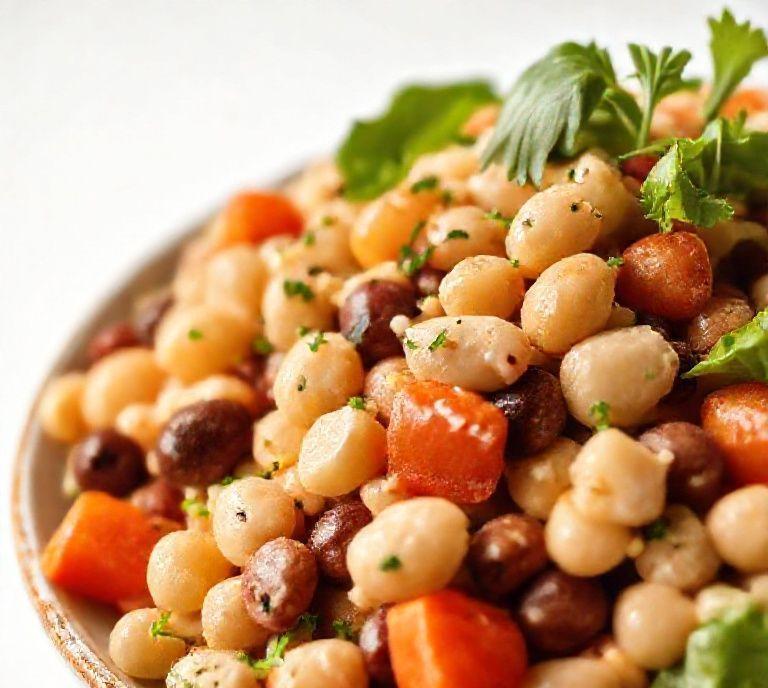
This recipe strikes that perfect balance between hearty and refreshing. We’re focusing on texture, flavor, and of course, nutritional value. The dense beans serve as the backbone, but the crunch from fresh vegetables and the zesty dressing gives the dish layers of complexity.
It’s ideal for everything from a quick lunch to a side dish at dinner, or even as a satisfying snack. And, let’s face it, there’s something magical about salads that get even better after a few hours in the fridge. The beans and vegetables soak up all the flavors and meld together into a vibrant, savory bite.
Ingredients Needed
Before diving into the recipe, let’s talk about what you’ll need. Here’s the full ingredient list for your Dense Bean Salad:
- 2 cups cooked beans (black beans, chickpeas, kidney beans, or a mix)
- 1 cup diced cucumber
- 1 cup cherry tomatoes, halved
- 1/2 cup finely chopped red onion
- 1/4 cup fresh parsley, chopped
- 1/4 cup extra virgin olive oil
- 2 tablespoons apple cider vinegar (or lemon juice, depending on your preference)
- 1 tablespoon Dijon mustard
- 1 teaspoon ground cumin (this adds a nice warmth and depth)
- 1 teaspoon smoked paprika
- Salt and pepper, to taste
- Optional add-ins: diced avocado, bell peppers, or crumbled feta cheese
I tend to lean towards black beans and chickpeas because they have a great texture, but you can totally mix things up. If you’re feeling extra adventurous, you could even add a bit of quinoa or farro to the mix for some added grains and chew.
Cooking Instructions
-
Prep The Ingredients
Start by prepping your beans. If you’re using canned beans, rinse them well to get rid of any excess salt or preservatives. If you’re using dried beans, make sure they’re cooked and drained beforehand. Chop up your cucumber, tomatoes, onion, and parsley, and set them aside.
-
Make The Dressing
In a small bowl, whisk together the olive oil, apple cider vinegar (or lemon juice), Dijon mustard, cumin, paprika, salt, and pepper. This combination of flavors is the secret sauce to really pulling everything together.
-
Assemble The Salad
In a large mixing bowl, combine the beans, cucumber, tomatoes, red onion, and parsley. Drizzle the dressing over the top and toss everything together gently. Taste and adjust the seasoning as needed-more salt, pepper, or maybe a squeeze of fresh lemon juice for an extra tangy kick.
-
Chill And Serve
I highly recommend letting the salad sit for at least 30 minutes to let the flavors meld, though it’s still delicious if you can’t wait. The longer it sits, the more the beans absorb the dressing, making each bite even more satisfying.
Ingredient Science Spotlight
Now, let’s dive into a little science of why this salad works so well. Beans, for instance, are an incredible source of plant-based protein and fiber. They’re high in resistant starch, which is fantastic for gut health. The fiber in beans helps keep things moving and stabilizes blood sugar levels, which is why this salad keeps you feeling fuller for longer.
The veggies in this salad (like cucumber, tomatoes, and onions) provide hydration and antioxidants, which are essential for keeping your body in peak condition. Vitamin C from the tomatoes and cucumber can help support your immune system, while the healthy fats in olive oil and avocado (if you choose to add it) support heart health and skin health.
And then there’s the cumin and smoked paprika-both are antioxidant-rich and have anti-inflammatory properties. The spices not only make the salad taste better but also contribute to your overall health. Cumin, for example, can help aid digestion, and the smoky paprika adds a depth of flavor that makes this salad stand out from others.
Expert Tips
I’ve made my fair share of bean salads, and let me tell you, these tips will elevate your dish:
- Don’t skip the resting time: I know it’s tempting to dig in right away, but letting the salad chill gives the beans a chance to soak up the dressing. It makes the salad taste way better!
- Use quality olive oil: Since olive oil is a core ingredient of the dressing, its flavor really stands out. Choose an extra virgin variety for its richness and fruity notes.
- Make it your own: This recipe is just a base. You can throw in some roasted sweet potatoes, sautéed mushrooms, or even roasted corn for an extra layer of flavor. Also, consider adding a little crumbled feta if you’re not strictly vegan.
- Balance is key: Taste as you go, and adjust the seasoning. If it feels too acidic, add a touch of honey or maple syrup to balance it out. If you want more heat, a dash of chili flakes will do wonders.
Recipe Variations
The beauty of a salad like this is that you can play around with it based on what’s in season or what you happen to have on hand. Here are a few variations:
- Mediterranean Bean Salad: Add kalamata olives, sun-dried tomatoes, and a bit of crumbled feta cheese. Swap the cumin for oregano and drizzle some lemon juice instead of vinegar for a tangier version.
- Southwestern Twist: Add corn, avocado, and cilantro, and swap in black beans as your base. A bit of lime juice, cumin, and chili powder will give it that southwestern flair.
- Asian-Inspired: Use edamame beans instead of chickpeas or kidney beans, and throw in some sesame seeds and shredded carrots. Replace the olive oil with toasted sesame oil for a richer flavor and add a splash of soy sauce or rice vinegar.
Final Words
This Dense Bean Salad isn’t just food; it’s a canvas for your creativity. It’s hearty enough to be a main dish but light enough to work as a side. And because it’s packed with nutrients, it keeps you full without leaving you sluggish.
It’s perfect for meal prep, because the flavors just get better after a day or two. Plus, with so many variations and add-ins, you’ll never get bored of it. It’s one of those recipes that you’ll find yourself making again and again-whether you’re in a rush or enjoying a lazy afternoon at home.
FAQs
What Beans Are Best For Making A Dense Bean Salad?
For a dense bean salad, a combination of hearty beans such as kidney beans, black beans, chickpeas, and cannellini beans works well. These beans have a robust texture and hold up well when mixed with other salad ingredients. You can also include smaller beans like pinto beans or navy beans for variety.
How Can I Make The Dressing For A Dense Bean Salad?
The dressing for a dense bean salad should complement the beans’ rich textures. A simple yet flavorful dressing can be made by combining olive oil, lemon juice, vinegar (such as apple cider or red wine vinegar), garlic, mustard, salt, and pepper. For added depth, you can incorporate herbs like parsley, cilantro, or basil, or even a touch of honey or maple syrup for sweetness.
Can I Prepare The Dense Bean Salad In Advance?
Yes, a dense bean salad can be made in advance. In fact, the flavors often improve after being refrigerated for a few hours or overnight. Make sure to store the salad in an airtight container and keep the dressing separate until just before serving if you want to avoid sogginess. However, if you’re including fresh ingredients like avocado, it’s best to add them right before serving to maintain their texture.