When it comes to comfort food, few dishes can compete with a classic lasagna. It’s the kind of meal that fills the house with warmth, the kind of food you eagerly scoop onto your plate and can’t help but go back for seconds (or thirds). But what if you could enjoy all the heartiness of traditional lasagna while keeping things plant-based? That’s where a vegetarian Italian lasagna comes in, offering layers of flavorful vegetables, rich tomato sauce, creamy ricotta, and gooey melted cheese-all without any meat.
I first tried making a vegetarian lasagna on a chilly fall evening when I was trying to eat more plant-based meals but didn’t want to sacrifice the indulgent comfort food I craved. After some trial and error, I came up with a recipe that checks all the boxes: hearty, flavorful, and just the right balance of textures. Since then, it’s become one of my go-to dishes for everything from casual weeknight dinners to special family gatherings. And I’m excited to share it with you today.
Vegetarian Italian Lasagna Recipe
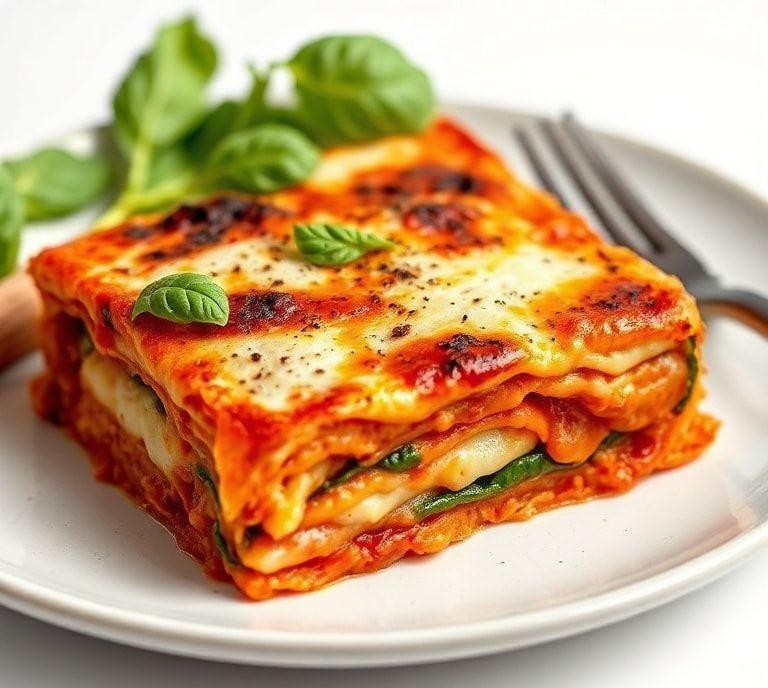
The beauty of this vegetarian Italian lasagna is that it brings together familiar ingredients in a whole new way. The layers of fresh spinach, mushrooms, ricotta, mozzarella, and marinara sauce create a dish that’s both satisfying and packed with flavor. It’s rich without being heavy, and the variety of textures makes each bite something to look forward to. Whether you’re serving it at a dinner party or just making a big pan for the week, this lasagna never fails to impress.
Here’s how to make your own:
Ingredients Needed
For the lasagna:
- 12 lasagna noodles (I prefer whole wheat or gluten-free, but traditional pasta works too)
- 2 tablespoons olive oil
- 1 large onion, diced
- 3 cloves garlic, minced
- 2 cups fresh spinach, chopped
- 1 medium zucchini, sliced thinly
- 2 cups mushrooms, sliced
- 1 cup ricotta cheese (or a plant-based ricotta, if you prefer)
- 2 cups shredded mozzarella cheese (or dairy-free mozzarella)
- 1 cup grated Parmesan cheese (optional, or use a plant-based alternative)
- 4 cups marinara sauce (store-bought or homemade)
- 1/4 cup fresh basil, chopped
- Salt and pepper to taste
For the homemade marinara sauce (if you prefer to make your own):
- 2 tablespoons olive oil
- 1 can (28 oz) crushed tomatoes
- 1/4 cup fresh basil, chopped
- 1 teaspoon sugar (optional)
- 1/2 teaspoon red pepper flakes (optional)
- Salt and pepper to taste
Cooking Instructions
- Preheat the oven: Start by preheating your oven to 375°F (190°C). You want it nice and hot when the lasagna goes in.
- Cook the noodles: Bring a large pot of salted water to a boil. Cook the lasagna noodles according to the package instructions until al dente. Drain them and set aside. You can toss them with a bit of olive oil to keep them from sticking together.
- Prepare the vegetables: In a large skillet, heat 2 tablespoons of olive oil over medium heat. Add the diced onion and cook for about 3-4 minutes until it softens. Add the garlic and cook for another 1-2 minutes, until fragrant. Then, stir in the mushrooms and zucchini and sauté until softened-around 5-7 minutes. Finally, add the spinach and cook until wilted, about 2 minutes. Season with salt and pepper to taste.
- Prepare the ricotta mixture: In a bowl, mix the ricotta cheese with half of the mozzarella and Parmesan, if using. Add a pinch of salt and pepper, and stir until everything is well combined.
- Layer the lasagna: In a baking dish (9×13 inches is ideal), start by spreading a thin layer of marinara sauce on the bottom. Then, place a layer of lasagna noodles over the sauce. Spread a portion of the ricotta mixture over the noodles, followed by a layer of sautéed vegetables, and a generous sprinkle of mozzarella. Repeat this layering process until you’ve used up all your ingredients, finishing with a layer of sauce and mozzarella on top.
- Bake: Cover the baking dish with aluminum foil and bake for 25 minutes. Then, remove the foil and bake for another 15-20 minutes, until the top is golden and bubbly.
- Serve: Let the lasagna rest for about 10 minutes before cutting into it. This helps the layers set and makes it easier to slice.
Ingredient Science Spotlight
Every ingredient in this vegetarian lasagna has a specific role to play, both in flavor and texture. Let’s take a deeper look at a few of them:
- Spinach: Not only does spinach add a beautiful color contrast to the lasagna, but it’s also packed with vitamins like A, C, and K. When sautéed, it loses some of its moisture, which helps prevent the lasagna from becoming soggy.
- Mushrooms: Mushrooms, especially the varieties used in lasagna like cremini or button, offer a meaty texture and earthy flavor that makes up for the absence of traditional meat. Their high umami content adds a savory richness that enhances the overall taste of the dish.
- Ricotta: This cheese is light and creamy, which contrasts beautifully with the other more substantial layers. The moisture from the ricotta helps bind the noodles and vegetables, making each bite melt in your mouth.
- Mozzarella: Mozzarella, especially when melted, creates that beloved gooey, cheesy pull. It’s the heart of any lasagna’s cheese layer, providing both flavor and texture that everyone loves.
Expert Tips
- Make Ahead: This lasagna is even better the next day. If you have the time, prepare it a day in advance, let it sit in the fridge overnight, and bake it when you’re ready. This allows the flavors to meld together beautifully.
- Don’t Overcook the Vegetables: When cooking the vegetables, be sure not to overdo it. You want them to retain some texture, so they don’t turn into mush once baked. Slightly undercooking them ensures they’ll hold up during baking.
- Use a Blend of Cheeses: If you want your lasagna to have a more complex flavor, try using a mix of cheeses like mozzarella, ricotta, and Parmesan. The saltiness from the Parmesan and the creaminess of the ricotta complement the mozzarella perfectly.
Recipe Variations
- Add More Veggies: You can easily customize this lasagna by adding other vegetables like bell peppers, eggplant, or even roasted butternut squash. These vegetables add depth and color to your dish.
- Gluten-Free Lasagna: If you need to avoid gluten, simply use gluten-free lasagna noodles, or even zucchini strips (zucchini noodles) as a low-carb option.
- Vegan Lasagna: Swap out the ricotta and mozzarella for plant-based alternatives, and use vegan Parmesan. For the sauce, make sure it’s free of dairy (many marinara sauces are naturally dairy-free).
Final Words
Vegetarian Italian lasagna is a dish that proves you don’t need meat to enjoy the satisfying layers of flavors that lasagna is famous for. The combination of hearty vegetables, rich tomato sauce, and gooey cheese brings everything you love about traditional lasagna, but in a lighter, plant-based package. Whether you’re a vegetarian or just looking for a new way to enjoy a classic, this recipe will hit the spot every time.
FAQs
What Are The Main Ingredients In A Vegetarian Italian Lasagna Recipe?
A traditional vegetarian Italian lasagna typically includes layers of lasagna noodles, ricotta cheese, mozzarella, Parmesan cheese, and a tomato-based sauce. Common vegetables include spinach, zucchini, mushrooms, and bell peppers, though variations may include other vegetables such as eggplant, carrots, and onions. Fresh herbs like basil and oregano are often used to enhance the flavor.
Can I Make Vegetarian Italian Lasagna Ahead Of Time?
Yes, vegetarian Italian lasagna can be made ahead of time. You can prepare the lasagna up to the point of baking and then refrigerate it for 1-2 days before cooking. Alternatively, you can freeze the lasagna after assembling it, and bake it later. If frozen, allow it to thaw in the fridge overnight before baking. It may take longer to cook if baking straight from frozen.
What Can I Substitute For Ricotta Cheese In A Vegetarian Italian Lasagna Recipe?
If you’re looking for a ricotta substitute in vegetarian Italian lasagna, you can use a variety of alternatives. Cottage cheese is a common choice, though it has a more textured consistency. Vegan ricotta, made from tofu or cashews, works well for a dairy-free option. You can also make a creamy ricotta alternative by blending silken tofu with nutritional yeast, lemon juice, and herbs for a similar texture and flavor.