There’s something effortlessly inviting about a well-made tabbouleh. Fresh, vibrant, and packed with flavors that seem to burst from the first bite, it’s one of those dishes that feels like a secret treasure from the Mediterranean. When I first tried it, I was hooked on its crisp vegetables, herby freshness, and just the right kick of lemon. Tabbouleh, as a salad, offers this delicate balance between simplicity and complexity, drawing you in with its rich history and its depth of flavors. It’s always made an impression, and I find myself coming back to it whenever I want something that feels like a little trip to the Levant, no passport needed.
For those who want a healthy, light, and deeply satisfying meal, vegetarian tabbouleh is a perfect choice. There’s no meat here, but every bite still feels full of substance, thanks to the wholesome ingredients that come together. This recipe isn’t just a dish; it’s an experience, one you’ll want to share with friends, family, or even enjoy solo when you need a moment of calm. Let’s dive into what makes this dish so magical.
Vegetarian Tabbouleh Recipe
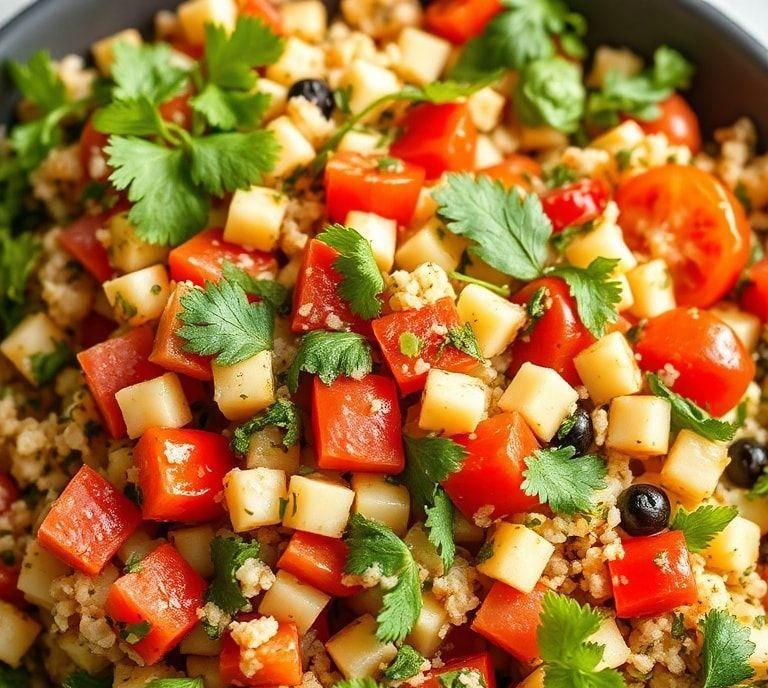
Tabbouleh is the kind of recipe that has roots stretching back to the ancient Levant region, particularly Lebanon, Syria, and Palestine. In the traditional version, bulgur wheat is the base, but for some, couscous or quinoa can be used for a modern twist. This version sticks to the classic, with all the vibrant herbs and zesty lemon that make tabbouleh so addictive. So, let’s make this vegetarian tabbouleh that’s not just a salad but a celebration of fresh ingredients.
Ingredients Needed
- 1 cup bulgur wheat (fine or medium) – This is the backbone of tabbouleh, offering a nutty, chewy texture that soaks up all the flavors.
- 2 large tomatoes – Ripe, juicy tomatoes bring in a bit of sweetness and a vibrant red color that makes this salad visually stunning.
- 1 cucumber – A crisp cucumber adds that refreshing crunch, balancing the other ingredients and giving a nice contrast in texture.
- 1 bunch fresh parsley – Parsley is the real star here, providing an aromatic herbaceous note that gives tabbouleh its signature freshness. Don’t skimp on the parsley; it’s what sets the dish apart.
- 1/4 bunch fresh mint – Mint is the perfect companion to parsley, adding a cool and slightly peppery flavor that lifts the whole salad.
- 3 tablespoons fresh lemon juice – Lemon brings a necessary tang and brightness. Freshly squeezed, of course.
- 3 tablespoons extra virgin olive oil – A high-quality olive oil adds richness and depth, balancing the acidity of the lemon and the freshness of the herbs.
- 1 small red onion – Finely chopped, it adds a bit of sharpness without overwhelming the salad.
- Salt and pepper – Season to taste, of course. You’ll want just enough to enhance the flavors without overpowering the natural freshness of the ingredients.
Cooking Instructions
- Prepare the Bulgur Wheat: Start by placing your bulgur wheat in a large bowl. Pour over about 1.5 cups of boiling water and cover with a cloth. Let it sit for about 10 minutes, allowing the bulgur to absorb the water and become tender. Once it’s softened, fluff it with a fork to break up any clumps.
- Chop the Vegetables and Herbs: While the bulgur is soaking, you can prep the vegetables. Dice the tomatoes and cucumber into small, bite-sized pieces. The key is to chop everything uniformly so you get that perfect bite with every scoop. Finely chop your parsley and mint; a rough chop is fine, but don’t go too small. You want the herbs to maintain some texture. Chop the onion finely too-it’ll lend a sharp flavor, so you don’t want big chunks.
- Mix Everything Together: Once the bulgur is ready and has cooled slightly, add the chopped tomatoes, cucumber, onion, parsley, and mint.
- Season: Drizzle in your olive oil, fresh lemon juice, and a pinch of salt and pepper. Mix gently to combine. Taste and adjust the seasoning. Depending on the tomatoes and lemon, you might want a touch more salt or another squeeze of lemon.
- Chill: It’s ideal to let your tabbouleh sit for about 30 minutes in the fridge before serving. This allows all the flavors to meld together beautifully.
Ingredient Science Spotlight
It’s easy to overlook the science behind a dish like tabbouleh, but there’s some real magic happening with these ingredients. The bulgur wheat, for instance, is an ancient grain packed with fiber and protein. Soaking it in hot water helps break down the tough outer shell, making it digestible while retaining a nice chewy texture.
Then there’s the parsley, which is far more than just a garnish. It’s packed with vitamins like A, C, and K, and it contains compounds like flavonoids and carotenoids, which are powerful antioxidants. It’s not just for looks-parsley actually contributes to your well-being.
Lemon juice, too, is more than just a flavor booster. The citric acid helps balance the bulgur’s nuttiness while also breaking down some of the vegetable fibers, making the salad easier to digest. Plus, the lemon’s high vitamin C content supports immune function.
The mint, on the other hand, isn’t just refreshing; it has compounds like menthol that can help soothe digestion. It’s why a sprig of mint feels so comforting after a meal, especially one as light and herbaceous as this.
Expert Tips
- Use the right bulgur: Fine bulgur is ideal for tabbouleh. It’s quick to prepare and gives the salad that signature texture. If you can’t find fine bulgur, medium works too, but it might need a bit more soaking time.
- Go heavy on the herbs: Tabbouleh is a salad that relies heavily on herbs for flavor. Don’t be shy with the parsley and mint. The more herbs you use, the more vibrant and refreshing the salad will be.
- Let it rest: Like most salads, tabbouleh gets better after it sits for a while. Let it rest in the fridge for at least 30 minutes to let the flavors mingle.
- Use fresh lemon juice: Fresh is always best when it comes to lemon juice. Bottled lemon juice doesn’t pack the same punch, and fresh lemons bring a zestiness that you can’t get from a bottle.
Recipe Variations
- Quinoa Tabouleh: If you want a gluten-free version, swap out the bulgur for cooked quinoa. It’s just as nutty and slightly more protein-packed. Plus, it adds a different texture, which some people love.
- Add Feta Cheese: For a tangy twist, you can add a little feta cheese into the mix. It gives the salad a creamy saltiness that complements the fresh herbs beautifully.
- Avocado Tabouleh: For a richer, more filling version, add some diced avocado. The creamy texture pairs so well with the crunch of cucumber and the tangy lemon.
- Spicy Tabouleh: Add a finely diced chili or a dash of red pepper flakes for some heat. The spice will bring a new dimension to the already flavorful salad.
Final Words
Vegetarian tabbouleh is one of those dishes that you can serve for nearly any occasion. Whether you’re hosting a summer BBQ or just preparing a quick weekday lunch, it’s light, satisfying, and full of fresh flavors. It’s a great way to incorporate more vegetables and whole grains into your diet, without compromising on taste or texture. The simplicity of the ingredients makes it easy to whip up, but each bite delivers layers of flavor that keep you coming back for more.
FAQs
What Are The Main Ingredients In A Vegetarian Tabbouleh Recipe?
A traditional vegetarian tabbouleh recipe typically includes bulgur wheat, parsley, mint, tomatoes, cucumber, lemon juice, olive oil, and salt. The bulgur is the base of the dish, while parsley and mint add fresh, herbal flavors. Tomatoes and cucumbers provide a juicy crunch, and the lemon and olive oil dressing gives the salad a tangy, smooth finish.
Can I Make Tabbouleh Gluten-free?
Yes, you can make tabbouleh gluten-free by substituting the bulgur wheat with gluten-free alternatives like quinoa, rice, or couscous. Quinoa is a popular choice as it has a similar texture to bulgur and is naturally gluten-free. Just ensure to cook the substitute properly and let it cool before mixing with the other ingredients.
How Long Can Vegetarian Tabbouleh Be Stored In The Refrigerator?
Vegetarian tabbouleh can be stored in an airtight container in the refrigerator for up to 2-3 days. However, it’s best to consume it within the first 24 hours as the herbs (parsley and mint) may start to wilt and lose their freshness. If you plan to store it longer, you might want to keep the dressing separate and add it just before serving.