There’s something about a good homemade Pad Thai that feels like both an adventure and a comfort all at once. If you’ve ever been lucky enough to visit Thailand, you probably remember the mouth-watering scents of street food stalls-noodles sizzling in woks, the tang of tamarind in the air, and the crunch of fresh herbs and peanuts. It’s that balance of sweet, sour, salty, and spicy that makes Pad Thai such a crowd-pleaser. But you don’t need to book a flight to experience that magic. With the right ingredients and a little bit of patience, you can recreate this dish in your own kitchen, minus the long lines or the wait.
Now, while Pad Thai is traditionally made with shrimp, chicken, or beef, I’m going to share a version that’s both light and satisfying, all while keeping things meat-free. You don’t have to be a vegetarian to appreciate this twist on the classic-trust me, it’s just as delicious, if not more so. So, let’s jump in.
Easy Pad Thai Vegetarian Recipe
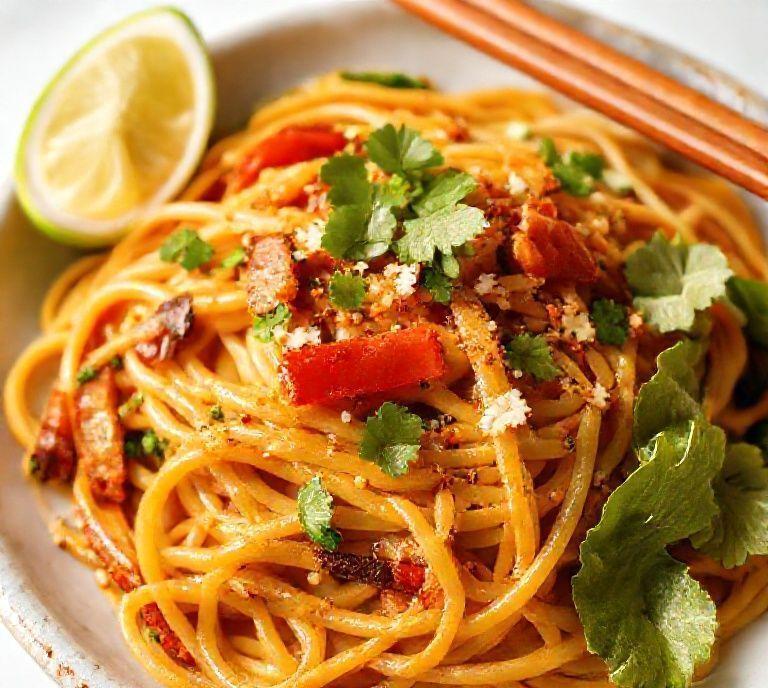
I can’t tell you how many times I’ve tried to perfect this dish. I remember the first time I made Pad Thai at home-it was a disaster. The noodles stuck together, the sauce was too thin, and I had no idea how to balance the flavors. But over time, I figured it out. The key? Simplicity and quality ingredients. It really doesn’t need to be complicated.
This recipe is simple, but it doesn’t skimp on flavor. You’ll get that signature Pad Thai tang and heat without feeling overwhelmed by too many steps or ingredients. Plus, it’s vegetarian-friendly, which means it’s perfect for a variety of diets.
Ingredients Needed
Here’s the thing with Pad Thai: The magic is in the balance of a few key flavors. It’s easy to think you need a ton of ingredients to get it right, but once you have the basics, you’re halfway there.
- Rice noodles – Look for flat rice noodles (about 1/4-inch wide). They’re the heart of the dish and should be cooked to a perfect al dente texture.
- Tofu – Firm tofu, cubed. It soaks up the flavors beautifully and adds a bit of richness. If you’re not a tofu fan, you can easily swap this out for tempeh or even a bit of roasted cauliflower for extra texture.
- Tamarind paste – This is the secret sauce. You can find it in most Asian grocery stores or online, and it’s what gives Pad Thai that deep, tangy flavor.
- Soy sauce – A splash of soy sauce adds that salty umami base to the dish. You can use tamari if you’re gluten-free.
- Peanut butter – A creamy, slightly sweet element that ties the sauce together. It also makes the sauce richer.
- Brown sugar – Just a bit of sweetness to balance the sourness of the tamarind and the saltiness of the soy sauce.
- Lime – Fresh lime juice is essential for that burst of citrus that brightens up the dish.
- Garlic & shallots – The aromatic base of the stir-fry.
- Eggs – These are optional in a vegetarian recipe, but they add richness and protein. If you prefer vegan, feel free to skip or use a plant-based egg alternative.
- Peanuts – Crushed peanuts are the garnish that brings everything together, adding a nice crunch.
- Green onions & cilantro – For garnish and freshness.
- Red chili flakes – For a bit of heat. You can adjust this based on your spice tolerance.
Cooking Instructions
Alright, let’s get cooking. The beauty of Pad Thai is that it comes together relatively quickly once everything’s prepped. It’s the kind of dish you want to be near a hot stove for because it doesn’t take long to transform from ingredients to meal.
- Prep the noodles: Start by boiling a pot of water. Add your rice noodles and cook them for about 4-5 minutes until they’re soft but still a little chewy. Drain them, and toss them with a bit of oil to keep them from sticking together. Set them aside.
- Make the sauce: In a small bowl, whisk together 3 tablespoons tamarind paste, 2 tablespoons soy sauce, 1 tablespoon peanut butter, 1 tablespoon brown sugar, and the juice of half a lime. Taste it-this is your opportunity to adjust. Add a little more sugar if it’s too sour, or a splash more soy sauce if it needs salt. You’re aiming for a sweet, salty, tangy balance.
- Cook the tofu: In a large skillet or wok, heat a bit of oil over medium-high heat. Add the cubed tofu and cook until it’s golden and crispy on all sides. This should take about 5-7 minutes. Once done, remove it from the skillet and set aside.
- Stir-fry the veggies: In the same skillet, add a little more oil if necessary. Sauté the garlic and shallots for about 1-2 minutes until fragrant. Then, add the noodles and tofu back into the skillet.
- Combine: Pour the sauce over the noodles and toss everything together. If you’re adding eggs, create a well in the center of the pan and crack them in. Scramble them until they’re fully cooked, then stir them into the noodles.
- Garnish and serve: Toss in your crushed peanuts, chopped cilantro, and green onions. Serve with extra lime wedges on the side, and sprinkle a few chili flakes if you like your Pad Thai spicy.
Ingredient Science Spotlight
The magic of Pad Thai lies in the balance of flavors and textures. Take tamarind paste, for example. It’s not just sour; it also carries a subtle sweetness and depth that brings a complexity to the dish. When combined with peanut butter, which has a creamy richness, and soy sauce, with its salty umami, the result is a harmonious sauce that doesn’t overwhelm the dish but rather highlights the individual components.
Rice noodles provide the perfect soft, chewy texture, soaking up the sauce and adding heartiness without being too heavy. The tofu serves a dual purpose: it’s a plant-based protein that absorbs the flavors of the sauce while contributing a satisfying texture contrast. It’s a bit crispy on the outside but soft on the inside-just how you want it.
Expert Tips
- Don’t overcook the noodles: Rice noodles cook quickly, so be careful not to let them sit in the hot water too long. They should still have a bite to them once you add them to the pan. If they overcook, they can get mushy and clumpy.
- Use a wok if you have one: Woks are great for stir-frying because the high heat and large surface area allow everything to cook quickly and evenly. A nonstick skillet works fine too, though.
- Balance the sauce: Everyone’s taste is different, so take the time to taste your sauce and adjust as needed. If you like it sweeter, add more brown sugar. If you love tang, a little extra lime juice or tamarind paste goes a long way.
- Get crispy tofu: For crispy tofu, make sure to press it before cooking to remove excess water. This helps it brown properly and get that crispy texture.
Recipe Variations
- Protein swaps: If you’re not into tofu, try tempeh, which has a nuttier flavor and is still packed with protein. Or for something different, try using crispy chickpeas or even roasted cauliflower as your base.
- Veggie add-ins: Feel free to get creative with the veggies. Thinly sliced bell peppers, carrots, or even broccoli can be added to the stir-fry for extra texture and nutrients.
- Spicy version: Want to turn up the heat? Add some diced fresh Thai chilies or a teaspoon of chili paste to the sauce for an extra spicy kick.
Final Words
This vegetarian Pad Thai recipe is a game-changer, especially when you’re craving comfort food that’s quick, satisfying, and packed with flavor. There’s no need to compromise on taste just because you’re skipping the meat. With simple ingredients and just a few steps, you can pull off an incredible dish that’ll make you feel like a pro in the kitchen.
It’s one of those meals that’s perfect for any night of the week-whether you’re cooking for yourself or sharing with friends. And honestly, once you’ve got the hang of it, you’ll never need to call for takeout again.
FAQs
What Ingredients Are Essential For A Vegetarian Pad Thai?
A vegetarian Pad Thai typically includes rice noodles, firm tofu, a variety of vegetables such as bell peppers, carrots, and bean sprouts, garlic, green onions, and crushed peanuts. The sauce is usually made from tamarind paste, soy sauce, lime juice, and a sweetener like brown sugar or maple syrup. Fish sauce is often replaced with soy sauce or a vegetarian fish sauce alternative.
How Can I Make Pad Thai Vegetarian-friendly Without Losing Flavor?
To maintain the authentic flavor in a vegetarian Pad Thai, use a combination of umami-rich ingredients such as soy sauce, tamarind paste, and roasted peanuts. Adding a small amount of mushroom or seaweed-based seasoning can provide depth that would otherwise come from fish sauce. Stir-frying tofu until golden brown also adds texture and flavor.
Can I Prepare This Recipe Quickly On A Weeknight?
Yes, an easy vegetarian Pad Thai can be prepared in about 20-30 minutes. Using pre-soaked or quick-cook rice noodles reduces preparation time, and chopping vegetables in advance streamlines cooking. Stir-frying the ingredients over high heat allows the dish to cook evenly and quickly while retaining freshness and crunch.