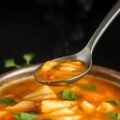
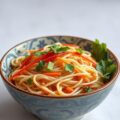
When the weather shifts from crisp autumn to the biting chill of winter, there’s nothing quite like a steaming bowl of pho to bring warmth to the soul. Pho, a traditional Vietnamese soup known for its rich, aromatic broth, tender noodles, and a medley of fresh herbs and vegetables, has found its way into the hearts of many.
While the classic pho often comes with beef or chicken, the vegetarian version holds its own, brimming with deep flavors and a variety of textures that are just as satisfying. The beauty of pho is its versatility-you can tweak it endlessly to suit your tastes. Today, I’m going to walk you through a delightful vegetarian pho soup recipe that I’ve fallen in love with over the years. It’s perfect for those days when you crave something comforting but want to skip the meat, whether you’re a full-time vegetarian, just looking to eat more plant-based, or simply trying to create a new twist on an old favorite.
Pho Soup Vegetarian Recipe
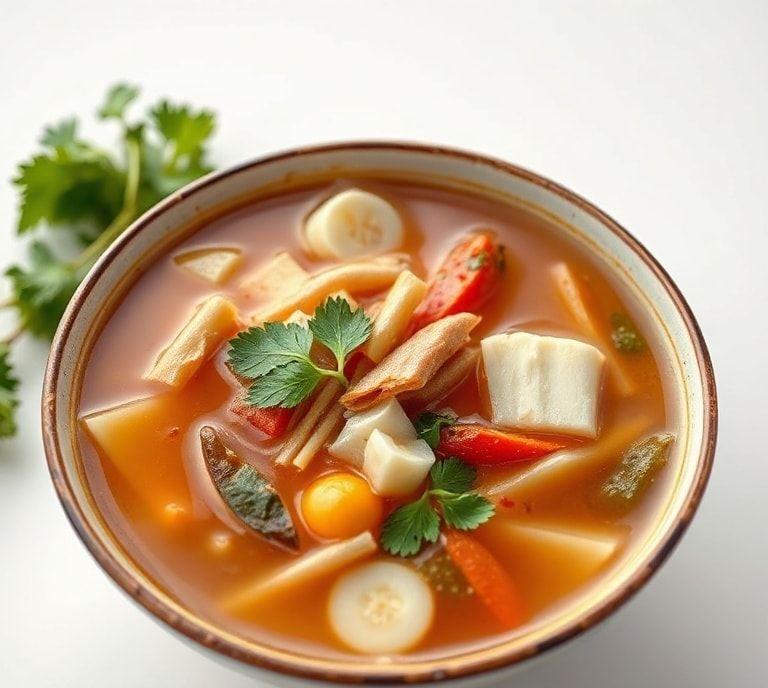
When I first tried vegetarian pho, I was a bit skeptical. Could something without meat truly capture the depth and soul-warming quality of the original? But after one bowl, I was hooked. The broth is the heart of pho, and in this vegetarian version, the broth is infused with layers of spices, fresh herbs, and umami-rich ingredients like mushrooms and tofu. Every spoonful is like a hug in a bowl.
The beauty of pho is in the way it allows the simple ingredients to shine. The ingredients are humble, but the way they come together makes magic happen. And, just like the traditional pho, this recipe can be personalized with the toppings you like most-fresh bean sprouts, lime wedges, basil, cilantro-whatever you crave.
Ingredients Needed
-
Broth Base
- 2 tablespoons vegetable oil
- 1 onion, halved
- 4 cloves garlic, smashed
- 3-inch piece of ginger, sliced
- 2 cinnamon sticks
- 2 star anise pods
- 1 tablespoon coriander seeds
- 1 tablespoon fennel seeds (optional)
- 1 tablespoon soy sauce or tamari (for a gluten-free version)
- 1 tablespoon miso paste (adds depth)
- 6 cups vegetable broth (or water)
- 2 tablespoons coconut sugar or brown sugar
- Salt, to taste
-
For The Soup
- 8 oz rice noodles (bánh phở noodles)
- 1 cup mushrooms (shiitake or portobello work beautifully)
- 1 block of firm tofu, pressed and sliced into thin strips
- 1 cup of bok choy, spinach, or kale (depending on what’s available or in season)
- Fresh herbs: cilantro, Thai basil, and mint
- Bean sprouts (a must for that crunch)
- Lime wedges
- Sriracha and hoisin sauce (for some heat and sweetness)
Cooking Instructions
-
Start With The Broth
In a large pot, heat the vegetable oil over medium-high heat. Add the onion, garlic, and ginger. Sauté until the onion is charred in spots (about 5-7 minutes). The caramelized onions release deep, smoky notes that will elevate your broth.
-
Toast The Spices
Add the cinnamon sticks, star anise, coriander seeds, and fennel seeds to the pot. Stir them around for about a minute, allowing the heat to unlock their essential oils. This is where the magic happens-these spices infuse the broth with that signature pho aroma.
-
Simmer The Broth
Pour in the vegetable broth (or water if you’re going for a lighter option), soy sauce, miso paste, and sugar. Bring it all to a boil, then reduce the heat to low and let it simmer for about 45 minutes. The longer it simmers, the richer and more complex the broth will be. As the broth cooks, skim off any impurities that rise to the top to keep the soup clear.
-
Prepare The Noodles And Tofu
While the broth is simmering, cook the rice noodles according to package instructions. Once they’re done, rinse them under cold water to stop the cooking process. Set them aside. In a separate pan, sauté the tofu strips in a little oil until golden and crispy on all sides. This adds texture and a bit of depth to the soup.
-
Assemble The Soup
Once the broth has reached its peak flavor, strain out the solid bits (onion, ginger, spices) so you’re left with a silky smooth broth. Add the mushrooms and greens to the broth and cook them for a couple of minutes until they soften.
-
Serve
To serve, divide the cooked noodles between bowls. Pour the hot broth with the mushrooms and greens over the noodles. Add the crispy tofu, fresh herbs, bean sprouts, and a squeeze of lime. Drizzle with hoisin sauce for sweetness and sriracha for a kick.
Ingredient Science Spotlight
When I dive into the science behind pho’s key ingredients, it’s fascinating how such simple components can create such a rich, layered dish.
- Cinnamon and Star Anise: These spices are the backbone of pho’s aromatic profile. Cinnamon adds warmth and sweetness, while star anise brings a licorice-like flavor, balancing the broth’s savory notes. Both spices have antibacterial properties and are known for their anti-inflammatory benefits.
- Miso Paste: The addition of miso paste (traditionally not found in pho) adds a layer of umami that enhances the broth’s savory depth. Miso, fermented from soybeans, also provides probiotics, promoting gut health. It’s an easy, plant-based alternative to the meat-based broths traditionally used in pho.
- Tofu: Tofu doesn’t just serve as a protein here. The firm texture offers a satisfying contrast to the soft rice noodles, while its subtle flavor absorbs the broth beautifully. Plus, tofu is a complete protein, providing all nine essential amino acids in a plant-based form.
- Rice Noodles: These noodles are a vital part of pho’s appeal. They’re made from rice flour, which makes them light and slightly chewy, creating the perfect vessel for holding onto that delicious broth. Rice noodles are naturally gluten-free, making them accessible to a broader range of dietary needs.
Expert Tips
- Don’t Skip the Broth Simmering Time: The broth is where all the magic happens. Let it simmer for at least 45 minutes, if not longer. You can even prepare it the day before and let the flavors meld overnight for an even deeper taste.
- Char the Onion and Ginger: This step is a game-changer. The slight charring of the onion and ginger brings out smoky, caramelized flavors that make the broth taste more complex and rich.
- Customize Your Toppings: Pho is all about personalization. Add whatever toppings you like-if you’re in the mood for a spicy kick, go heavy on the sriracha. Want a tangy zip? Add some pickled jalapeños or a drizzle of hoisin sauce.
- Press the Tofu Well: To achieve crispy tofu, make sure to press it well to remove excess water. If you don’t, the tofu might end up soggy rather than crispy. You can even marinate it in a bit of soy sauce and sesame oil for added flavor before frying.
Recipe Variations
- Spicy Pho: Add more fresh chilies or a spoonful of sambal oelek to make your pho fiery. You can even infuse your broth with chili oil for extra heat.
- Pho with Vegetables Only: Keep it simple by using just mushrooms, bok choy, and fresh herbs for a vegetable-only pho. The broth will shine through, and the vegetables will offer a light, fresh balance.
- Pho with Vegan Meat Alternatives: If you miss the texture of meat, consider adding seitan or jackfruit to mimic the bite of traditional pho. Both are excellent at absorbing the flavors of the broth.
Final Words
Pho is one of those dishes that, like a great conversation, draws you in with its layers of flavor. It’s soothing, warming, and completely customizable to your tastes. Whether you’re a meat eater, a vegetarian, or just looking to add a new twist to your cooking, this vegetarian pho recipe will quickly become a favorite in your kitchen. And don’t be afraid to experiment-pho is all about personal touches, whether it’s the herbs you use, the heat you bring, or the way you top your bowl.
FAQs
What Ingredients Are Essential For A Vegetarian Pho Soup?
To make a vegetarian pho soup, you’ll need vegetable broth as the base, rice noodles (banh pho), a variety of fresh herbs such as cilantro, basil, and mint, bean sprouts, tofu or mushrooms for protein, and vegetables like onions, carrots, and bok choy. The key spices for the broth include star anise, cinnamon, cloves, cardamom, and ginger. You can also add soy sauce, hoisin sauce, and lime for flavor.
Can I Substitute Tofu With Other Protein Options In Vegetarian Pho?
Yes, you can substitute tofu with other vegetarian protein options. Some popular alternatives include tempeh, seitan, or even marinated mushrooms like shiitake or oyster mushrooms, which offer a hearty texture and umami flavor. You can also use plant-based meat substitutes if you prefer a meat-like option.
How Can I Make The Pho Broth Flavorful Without Using Animal Products?
To make a flavorful vegetarian pho broth, focus on building depth through a combination of spices and umami-rich ingredients. Use a good-quality vegetable broth as a base, and simmer with ingredients like charred onion, ginger, star anise, cloves, cinnamon, and cardamom. Adding soy sauce, miso paste, or tamari can help enhance the savory notes. You can also include dried mushrooms like shiitake to infuse extra depth into the broth.