Stir-fries have always held a special place in my kitchen. There’s something undeniably magical about the way a few simple ingredients-fresh vegetables, vibrant sauces, and a quick toss in a hot pan-can create something so satisfying. But what makes the Thai stir-fry vegetarian recipe stand out is its balance of flavors and textures. The combination of fresh, crispy vegetables, aromatic herbs, and that unmistakable umami punch from soy sauce or tamari makes it a dish that feels both nourishing and indulgent.
Years ago, I stumbled upon a Thai stir-fry recipe during a trip to Bangkok. I was sitting at a small, bustling street food stall, watching the cooks work their magic. The smell of garlic, ginger, and chilies hit me instantly, drawing me in like a magnet. The cook tossed a colorful medley of vegetables into a sizzling wok, adding a few secret ingredients, and within minutes, a plate of food appeared in front of me that I’ll never forget. The crispness of the vegetables, the richness of the sauce, and the subtle heat-everything was perfectly balanced. I’ve since made it a point to recreate that experience at home, and over the years, I’ve developed my own take on it, which I’m excited to share with you.
This recipe is the vegetarian version of that beloved Thai stir-fry, perfect for a weeknight dinner or as a light, flavorful lunch. It’s an easy dish to customize based on what you have in the fridge, and it packs a punch of both flavor and nutrients.
Thai Stir-fry Vegetarian Recipe
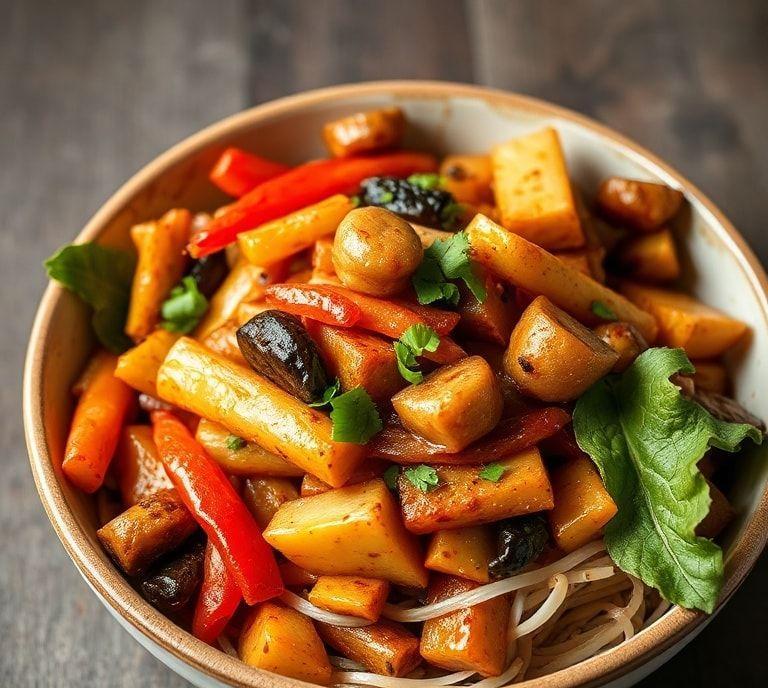
This Thai stir-fry is all about keeping things simple, quick, and bursting with flavor. With a medley of fresh vegetables, fragrant herbs, and a rich, slightly spicy sauce, it hits all the right notes. The beauty of this recipe lies in its versatility. You can use almost any vegetable, adjust the level of heat, and even swap the sauce to suit your tastes.
Prep Time: 15 minutes
Cook Time: 10 minutes
Serves: 4
Ingredients Needed
Here’s a list of the ingredients you’ll need. Don’t be intimidated by the number of items-it may look like a lot, but each one plays an important role in creating that perfect balance of flavors.
For The Stir-fry
- 2 tablespoons vegetable oil (or coconut oil for extra flavor)
- 1 onion, thinly sliced
- 2 cloves garlic, minced
- 1 tablespoon fresh ginger, grated
- 1 red bell pepper, thinly sliced
- 1 zucchini, sliced into half-moons
- 1 cup broccoli florets
- 1 cup snap peas (or green beans)
- 1 carrot, julienned
- 1 cup mushrooms, sliced
- 1 cup baby corn (optional but adds a fun crunch)
For The Sauce
- 3 tablespoons soy sauce (or tamari for a gluten-free version)
- 1 tablespoon rice vinegar
- 1 tablespoon brown sugar (or coconut sugar for a healthier twist)
- 1 tablespoon lime juice (freshly squeezed is always best)
- 1-2 teaspoons chili paste or Sriracha (adjust based on your heat preference)
- 1 tablespoon water (to thin out the sauce if needed)
Garnishes
- Fresh cilantro, chopped
- Chopped peanuts (optional, but adds a delightful crunch)
- Lime wedges
Cooking Instructions
Step 1: Prepare The Veggies
Before you even turn on the stove, prep all your vegetables. Stir-fries move fast, and having everything sliced and ready to go will make the process feel seamless. I love taking a few minutes to arrange my ingredients, as it feels almost like a tiny culinary ritual, setting me up for success.
Step 2: Make The Sauce
In a small bowl, whisk together the soy sauce, rice vinegar, brown sugar, lime juice, chili paste, and water. Taste it-this is your chance to balance the flavors. If you prefer it sweeter, add a little more sugar. If you like more tang, a little extra vinegar or lime juice can brighten it up. Set it aside for later.
Step 3: Stir-fry The Veggies
Heat the oil in a large skillet or wok over medium-high heat. Once the oil is shimmering, add the onion, garlic, and ginger. Stir-fry for about 1-2 minutes until fragrant. The smell of garlic and ginger sizzling in hot oil is one of life’s small joys, isn’t it?
Now, toss in the bell pepper, zucchini, broccoli, snap peas, carrot, and mushrooms. Stir-fry for 5-7 minutes, or until the vegetables are tender-crisp. Don’t overcook them-you want that bright, fresh crunch in every bite.
Step 4: Add The Sauce
Once the veggies are done, pour in the prepared sauce. Toss everything together to ensure each piece is well-coated. Let the sauce simmer for another 2-3 minutes, allowing it to thicken and coat the vegetables in its savory goodness.
Step 5: Garnish And Serve
Serve the stir-fry immediately, garnished with fresh cilantro, a squeeze of lime juice, and chopped peanuts for extra crunch if you like. I always make sure to have a few lime wedges on the side. That zesty hit of fresh lime adds the final layer of flavor.
Ingredient Science Spotlight
When you look at the ingredients in this stir-fry, they aren’t just chosen for flavor-they’re selected for the specific roles they play in creating the perfect balance of texture and taste. The vegetables, for instance, offer a variety of textures: crisp bell peppers, tender broccoli, and juicy mushrooms. This variety ensures that every bite is a new experience.
The ginger and garlic aren’t just there for flavor, either. Both have potent anti-inflammatory properties, which is one of the reasons they’re staples in many Asian cuisines. Garlic is particularly known for its ability to boost the immune system, and ginger aids in digestion.
The sauce, with its mix of soy sauce, rice vinegar, and lime juice, is a perfect example of balancing salty, sour, and umami flavors. The sweetness of brown sugar or coconut sugar rounds it all out, making the dish incredibly well-rounded. The rice vinegar offers that signature acidity found in Thai cuisine, while the lime juice adds a citrusy freshness that lightens up the overall dish.
Expert Tips
- Don’t Overcrowd the Pan: When making stir-fry, it’s crucial not to crowd the pan. If you throw too many vegetables in at once, they’ll steam rather than stir-fry. If you’re making a large batch, consider doing it in batches.
- Use High Heat: Stir-fries thrive on high heat. It ensures that your veggies cook quickly while retaining their crisp texture. Don’t be afraid of a little sizzle!
- Customize the Vegetables: Don’t feel locked into the vegetables listed. This recipe is extremely flexible. If you have spinach, kale, or bok choy on hand, toss them in! If you love spicy heat, add more chili paste. The sauce is your canvas.
- Add Protein: If you’re craving a protein-packed meal, add tofu, tempeh, or even edamame for extra richness. I like to toss in cubed tofu, sautéed to golden perfection, to make it more substantial.
- Tweak the Sauce: Want to make it spicier? Add a dash of fish sauce or extra Sriracha. If you’re into more sweetness, a teaspoon of maple syrup or honey could do the trick. The sauce is the secret to unlocking the perfect flavor balance for your taste.
Recipe Variations
- Tofu Stir-Fry: If you’re a fan of tofu, cube it and pan-fry it until golden before adding it to your stir-fry mix. This adds an extra layer of protein and a lovely texture contrast.
- Spicy Thai Basil Stir-Fry: Add fresh Thai basil at the end of cooking for a fresh, aromatic kick. You can even swap some of the veggies for Thai eggplant or baby corn for a more authentic twist.
- Peanut Stir-Fry Sauce: Instead of the lime-sugar-soy sauce combo, you can make a rich peanut sauce using peanut butter, soy sauce, and a bit of coconut milk to add richness. This variation pairs well with broccoli, carrots, and red peppers.
- Noodles: Turn this dish into a noodle stir-fry by adding cooked rice noodles or soba noodles. It makes the dish heartier, perfect for a larger meal.
Final Words
The thing I love most about this recipe is its simplicity and flexibility. It’s one of those dishes you can throw together on any given night, yet still feel like you’ve treated yourself to something special. Each ingredient plays a part in creating a harmony of flavors that makes Thai food so memorable: salty, sweet, sour, and spicy, all coming together in one bite.
Whether you’re an experienced home cook or just starting, this recipe is a fantastic way to bring the flavors of Thailand into your kitchen. The best part? It’s a quick, healthy, and satisfying meal that can be customized to fit whatever you have on hand.
FAQs
What Vegetables Are Best For A Thai Stir-fry Vegetarian Recipe?
The most common vegetables used in a Thai stir-fry vegetarian recipe include bell peppers, broccoli, snap peas, carrots, baby corn, and mushrooms. These vegetables are chosen for their ability to retain texture and flavor when cooked quickly over high heat. Leafy greens like bok choy or spinach can also be added near the end of cooking to maintain their delicate texture.
What Sauces And Seasonings Are Essential For A Flavorful Thai Stir-fry Vegetarian Dish?
Key sauces and seasonings include soy sauce or tamari (for a gluten-free option), vegetarian oyster sauce or mushroom sauce, garlic, fresh ginger, and chili for heat. Lime juice or rice vinegar adds acidity, while a touch of sugar or maple syrup balances flavors. Fresh herbs like cilantro or Thai basil are often added at the end to enhance aroma and authenticity.
Can Tofu Or Other Protein Alternatives Be Used In A Thai Stir-fry Vegetarian Recipe?
Yes, tofu is a popular choice and works well when pressed to remove excess water and then pan-fried or stir-fried until golden. Other plant-based proteins like tempeh, seitan, or edamame can also be added to increase protein content. The key is to cook these proteins separately to ensure they develop a good texture before combining them with the vegetables and sauce.