I still remember the first time I tried a truly unforgettable bowl of Asian noodles. I was visiting a small, bustling market in Bangkok, the air thick with sizzling woks and the aroma of garlic and chili dancing in every corner. I hesitated at a tiny stall, drawn in by a rainbow of vegetables and what smelled like the pure essence of comfort. The vendor smiled and handed me a plate, and in that first bite, something clicked. It wasn’t just food-it was alive, vibrant, and comforting all at once.
Ever since that moment, I’ve been obsessed with recreating that same magic in my own kitchen, but with a twist: a vegetarian version that’s hearty, full of flavor, and yet gentle on the stomach. There’s something incredibly satisfying about crafting noodles from scratch or even using store-bought ones and transforming them into a dish that’s as colorful as it is nourishing. And today, I want to take you on that same journey with me.
Asian Noodles Vegetarian Recipe
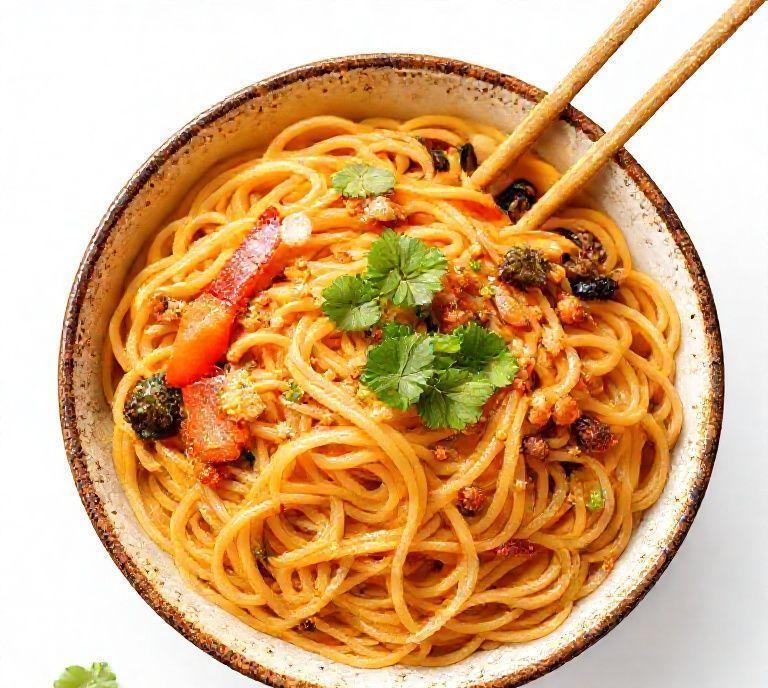
This isn’t your average stir-fry. Think of it as a celebration of textures: the springy chew of perfectly cooked noodles, the crisp freshness of vegetables, and the subtle, layered richness of a homemade sauce that somehow ties everything together like a warm hug. It’s simple, but it’s not simplistic. It’s vegetarian, but it’s deeply satisfying-even for the meat lovers I’ve served it to.
Every time I make it, I like to think of it as a canvas. You can add your own brushstrokes-peanuts, sesame seeds, or a drizzle of chili oil-but the core recipe gives you a perfect balance of sweet, salty, umami, and just a hint of tang.
Ingredients Needed
Here’s what you’ll need to create this little bowl of magic:
Noodles
- 200g rice noodles or egg-free wheat noodles (I often mix both if I’m feeling fancy)
Vegetables
- 1 medium carrot, julienned
- 1 red bell pepper, thinly sliced
- 1 small broccoli head, cut into tiny florets
- ½ cup snap peas, trimmed
- 2 green onions, chopped
- 2 cloves garlic, minced
Sauce
- 3 tablespoons soy sauce
- 1 tablespoon hoisin sauce
- 1 teaspoon sesame oil
- 1 tablespoon rice vinegar
- ½ teaspoon brown sugar
Extras (Optional, But Highly Recommended)
- Toasted sesame seeds
- Crushed peanuts
- Chili flakes or chili oil for heat
Every ingredient has a purpose. The snap peas and broccoli give crunch, the carrot adds sweetness, and the sauce is that invisible thread weaving everything together.
Cooking Instructions
- Prepare the noodles: I like to soak rice noodles in warm water for 10 minutes until just pliable, then drain. Wheat noodles? Boil for 5-7 minutes until al dente. Rinse under cold water to stop cooking.
- Make the sauce: In a small bowl, whisk together soy sauce, hoisin, sesame oil, rice vinegar, and brown sugar. Taste. Adjust. I often sneak a tiny pinch of chili flakes even if no one else likes spice-it’s my secret kick.
- Cook the vegetables: Heat a tablespoon of neutral oil in a wok or large pan. Toss in garlic until fragrant, then add harder vegetables like broccoli and carrots first. Stir-fry for 3-4 minutes before adding softer ones like bell pepper and snap peas.
- Combine noodles and sauce: Add noodles to the wok, pour the sauce over, and gently toss everything together. Make sure every noodle is glistening with that glossy sauce.
- Final touches: Sprinkle green onions, sesame seeds, and crushed peanuts on top. Serve immediately-you want it fresh and vibrant.
Ingredient Science Spotlight
There’s real magic in understanding why each ingredient does what it does. Take sesame oil, for instance. It’s not just flavor-it’s aromatic oil compounds that hit your olfactory receptors immediately, making your brain think the dish is richer than it actually is.
Then there’s rice vinegar, which might seem subtle, but it brightens the sauce, balancing the soy’s saltiness and the sugar’s sweetness. And those quick-cooked vegetables? They’re not just crunchy-they retain more vitamins and antioxidants than if you boiled them to mush. I often explain this to friends as ’culinary physics’: how heat, timing, and oil work together to maximize both taste and nutrition.
Expert Tips
- Noodle texture: Never overcook. Noodles should have a springy bite, because they’ll continue to soften slightly when tossed in the hot pan.
- Sauce absorption: Let noodles sit for a minute in the sauce before tossing-this allows them to soak up the flavors instead of just being coated.
- Veggie layering: Add harder vegetables first and softer ones later. I learned this the hard way once when my bell peppers turned to mush. It was tragic, but a learning moment.
- Taste as you go: Don’t be shy with adjustments. Every brand of soy or hoisin tastes different, so tweak until it sings.
Recipe Variations
Here’s where creativity can run wild:
- Protein boost: Tofu cubes, tempeh, or even edamame add heartiness. I once made a version with pan-fried tofu that everyone devoured in minutes.
- Spicy kick: Sambal oelek or fresh chili slices make it fiery. I always keep a small jar of homemade chili oil handy for “secret doses”.
- Noodle swaps: Udon for chewiness, soba for nuttiness, or zucchini noodles for a low-carb twist. I’ve done them all, and honestly, each brings its own personality.
- Seasonal vegetables: Switch broccoli for asparagus in spring, or add mushrooms in winter for earthy depth. I like to follow what’s freshest at the market-it changes the dish subtly but beautifully.
Final Words
Cooking this Asian noodle dish has become a little ritual for me. There’s something comforting about chopping, stirring, and tasting, almost meditative. It’s a reminder that food isn’t just sustenance-it’s memory, creativity, and even love. I’ve made it for lonely weeknight dinners, for boisterous family gatherings, and for friends who ’don”t even like vegetables”. And every time, the noodles disappear in minutes.
FAQs
What Are Some Popular Types Of Asian Noodles For Vegetarian Dishes?
Some popular types of Asian noodles used in vegetarian dishes include rice noodles, soba noodles (made from buckwheat), udon noodles (thick wheat flour noodles), and eggless ramen noodles. Each type offers a different texture and flavor profile, making them versatile for various vegetarian stir-fries, soups, and salads.
Can I Make Asian Noodles Vegetarian Without Using Tofu Or Tempeh?
Yes, Asian noodles can be made vegetarian without tofu or tempeh. You can substitute these protein-rich ingredients with a variety of vegetables such as mushrooms, broccoli, bell peppers, carrots, and baby corn. Additionally, legumes like edamame or chickpeas can be used for added protein, and nuts like cashews or peanuts can provide a crunchy texture.
What Are The Key Ingredients In A Basic Asian Vegetarian Noodle Sauce?
A basic Asian vegetarian noodle sauce typically includes soy sauce or tamari for saltiness, sesame oil for a rich, nutty flavor, rice vinegar for acidity, and a sweetener like honey or sugar. You can also add garlic, ginger, and chili for extra flavor. For a creamier option, peanut butter or coconut milk can be incorporated. The sauce can be adjusted to suit your flavor preferences, balancing salty, sweet, sour, and spicy elements.