Lasagna is one of those dishes that’s as comforting as it is delicious. It’s the kind of meal that brings people together, warm and bubbling from the oven, filling the house with a rich, savory aroma. I can still remember the first time I made it-there’s something so satisfying about layering those sheets of pasta, the rich tomato sauce, and gooey cheese, all merging into one beautiful, hearty dish. But as much as I love the traditional meaty version, over the years, I’ve found that the vegetarian twist can hold its own just as well. It’s packed with flavors, lighter on the stomach, and can still be just as indulgent.
This easy vegetarian lasagna recipe has been a regular in my kitchen for years. It’s the kind of dish that doesn’t demand hours of prep but still delivers on taste. Whether you’re cooking for a crowd, making a weeknight dinner, or preparing for a cozy Sunday meal, this lasagna checks all the boxes.
Easy Vegetarian Lasagna Recipe
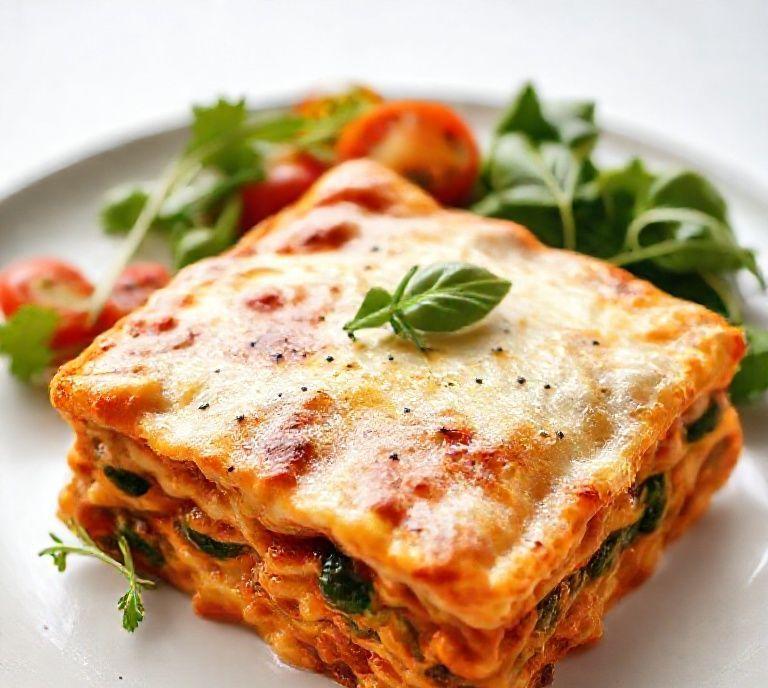
This version of lasagna swaps out meat for vegetables, making it just as hearty and satisfying as the classic. It’s not just a pile of veggies, though. The sauce is rich, the cheese layers are indulgent, and the whole thing bakes together into a perfectly gooey, melty masterpiece. It’s the kind of comfort food that can win over even the most dedicated carnivores, especially with all the layers of flavor that get infused with every bite.
Ingredients Needed
Here’s what you’ll need to create this vegetarian lasagna:
- Lasagna noodles: 12-15 sheets of regular or no-boil lasagna noodles. No-boil noodles are convenient, but regular noodles work just as well if you boil them first.
- Ricotta cheese: 1.5 cups. This will give you that creamy richness that makes lasagna so decadent.
- Mozzarella cheese: 2 cups, shredded. The melty, gooey cheese that ties it all together.
- Parmesan cheese: 1 cup, grated. For an extra hit of savory, nutty flavor.
- Tomato sauce: 4 cups (I prefer a mix of crushed tomatoes and tomato paste for a richer flavor).
- Spinach: 4 cups fresh or frozen. You can use kale or another leafy green if you prefer.
- Mushrooms: 2 cups, sliced. I use cremini mushrooms, but button mushrooms work too. They add a meaty texture and umami flavor.
- Zucchini: 2 medium zucchinis, thinly sliced. Zucchini adds moisture and texture to the dish.
- Onion: 1 medium onion, chopped.
- Garlic: 3-4 cloves, minced. The garlic gives the sauce that fragrant base.
- Olive oil: 2 tablespoons, for sautéing the vegetables.
- Dried oregano, basil, salt, and pepper: To season everything perfectly.
Cooking Instructions
Here’s a step-by-step guide on how to make this lasagna:
- Preheat the oven to 375°F (190°C).
- Prepare the vegetables. In a large skillet, heat the olive oil over medium heat. Add the onions and garlic, sautéing for 2-3 minutes until fragrant. Then, add the mushrooms and zucchini. Cook for about 5-7 minutes until they’re softened and their moisture has evaporated. If you’re using frozen spinach, squeeze out any excess water before adding it to the skillet; if fresh, just add it straight in. Season everything with salt, pepper, oregano, and basil. Let the spinach wilt down for a few minutes.
- Make the sauce. In a separate pot, heat the tomato sauce. Stir in a pinch of salt, some extra basil, and oregano for seasoning. Let it simmer on low for about 10-15 minutes, stirring occasionally, to develop the flavors.
- Assemble the lasagna. In a baking dish, spread a small amount of tomato sauce on the bottom. Then, place a layer of lasagna noodles, followed by a layer of the sautéed vegetable mixture, a generous scoop of ricotta, a sprinkle of mozzarella, and a bit of parmesan. Repeat the layers, finishing with a final layer of noodles, sauce, and cheese on top.
- Bake the lasagna. Cover the dish with foil and bake for 30 minutes. After 30 minutes, remove the foil and bake for an additional 10-15 minutes to allow the cheese to get golden and bubbly.
- Let it rest. After taking it out of the oven, let the lasagna sit for about 10 minutes before slicing. This helps it set, so it doesn’t fall apart when you serve it.
Ingredient Science Spotlight
One of the most interesting things about vegetarian lasagna is how the vegetables bring different textures and flavors into the dish, all while staying nutritious. For instance, mushrooms are often used in place of meat because they have a meaty texture and a natural umami flavor, thanks to compounds like glutamate. This makes them the perfect meat substitute. When paired with zucchini, which has a high water content, you get the best of both worlds: richness from the mushrooms and lightness from the zucchini.
The cheeses, particularly ricotta and mozzarella, are key to getting that classic lasagna creaminess. Ricotta, with its slightly grainy texture, holds the layers together while giving a delicate richness. Mozzarella, on the other hand, melts beautifully, turning the dish into a gooey, comforting masterpiece. Parmesan adds a sharpness and a nutty flavor that balances the richness of the cheeses and the sauce.
Expert Tips
- Pre-cook the noodles (if you’re using regular lasagna sheets) so they don’t absorb too much sauce during baking. If you’re using no-boil noodles, make sure you have enough sauce to hydrate them properly.
- Layering is key: Make sure to spread the ricotta evenly to avoid clumps, and be generous with the sauce between each layer to keep everything moist.
- Resting time: After baking, let the lasagna sit for 10 minutes before slicing. This helps it hold its shape when you cut into it.
- Make ahead: You can assemble the lasagna a day in advance and store it in the fridge. Just cover it tightly and bake it when you’re ready, adding 10-15 extra minutes of cook time since it will be cold.
Recipe Variations
- Swap the cheese: If you’re looking to make the dish dairy-free, swap the ricotta for a tofu-based ricotta, and use vegan mozzarella and parmesan alternatives.
- Add different vegetables: Try adding roasted eggplant, bell peppers, or butternut squash. These vegetables will add a depth of flavor and make the dish even more colorful.
- Use pesto: For a twist, try adding a layer of pesto between the noodles for extra flavor. The fresh basil will complement the tomato sauce beautifully.
- Add legumes: To boost the protein content, consider adding lentils or chickpeas to the sauce. You’ll still get a satisfying texture without the meat.
Final Words
Vegetarian lasagna is a perfect dish to celebrate the flavors of the season-whether that means using fresh summer zucchini and tomatoes or warming up with a hearty winter version filled with root vegetables. The beauty of lasagna is how versatile it can be; you can make it as light or as indulgent as you like. Plus, it’s the kind of dish that’s even better the next day, making it great for meal prep or leftovers.
There’s something incredibly satisfying about making lasagna from scratch. The process, the aromas, the anticipation as it bakes-each layer building towards that perfect bite. Whether you’re a long-time vegetarian or just trying to switch things up, this recipe is sure to hit the spot.
FAQs
What Are The Key Ingredients For An Easy Vegetarian Lasagna Recipe?
The key ingredients for an easy vegetarian lasagna recipe include lasagna noodles, ricotta cheese, mozzarella cheese, Parmesan cheese, marinara sauce, a variety of vegetables such as spinach, zucchini, and mushrooms, and a blend of herbs like basil, oregano, and garlic. Some recipes may also include eggs or tofu as a substitute for ricotta, or use a vegetable-based tomato sauce.
How Can I Make The Lasagna Noodles Ahead Of Time For A Quicker Preparation?
To make lasagna noodles ahead of time, you can either cook the noodles and store them in an airtight container in the fridge for up to 3 days, or you can use no-boil lasagna noodles that don’t require pre-cooking. No-boil noodles will soften as they bake in the sauce, which saves preparation time and reduces steps.
Can I Substitute The Cheese In A Vegetarian Lasagna Recipe To Make It Dairy-free?
Yes, you can easily substitute dairy products in a vegetarian lasagna recipe to make it dairy-free. For ricotta cheese, use a dairy-free ricotta made from tofu or a cashew-based ricotta. For mozzarella, there are vegan mozzarella alternatives available in stores, or you can make a cashew cheese blend. Vegan Parmesan can also replace traditional Parmesan cheese. Ensure the marinara sauce is free from dairy ingredients.