There’s something almost magical about a bowl of noodles. It’s comforting, simple, yet brimming with endless possibilities. I can’t remember a time when noodles weren’t part of my life. From childhood dinners at home to impromptu midnight snacks, noodles have always been the food that brings people together. You can dress them up with sauces, toss them into soups, or keep them minimalist, just as they are. But today, I want to share a recipe that’s close to my heart: a vibrant, flavorful vegetarian noodle dish that’s perfect for any occasion. It’s a dish that balances fresh ingredients with deep flavors-a perfect harmony of textures and tastes. So, if you’ve ever found yourself craving a noodle dish that’s easy to make and completely satisfying, stick with me. I promise you’ll enjoy every bite.
Noodles Vegetarian Recipe
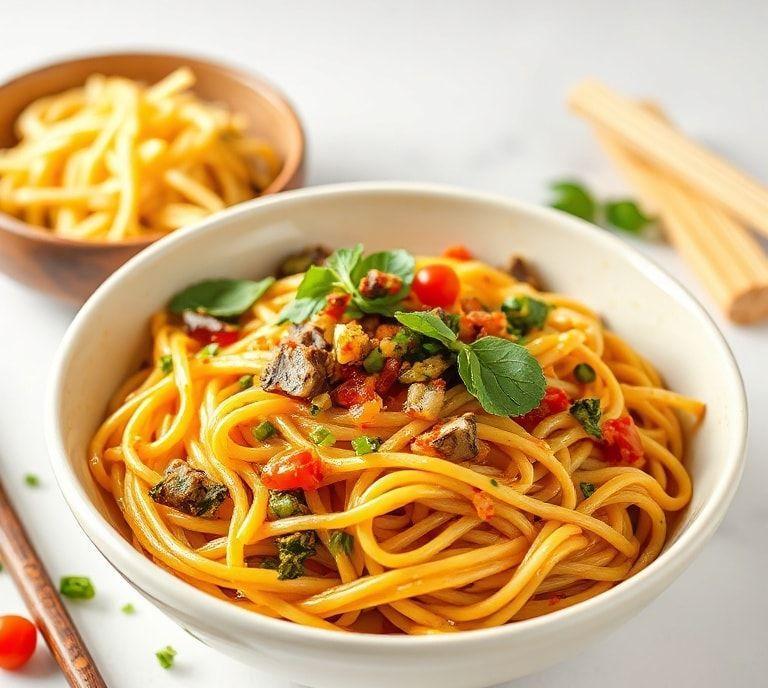
This vegetarian noodle recipe is all about celebrating the natural flavors of the vegetables, with a twist of savory depth and a light touch of spice. You don’t need to be a seasoned chef to pull this off-this dish is made for everyone, from kitchen beginners to seasoned home cooks looking for a quick, healthy meal. Think colorful vegetables tossed with noodles, and a soy-based sauce that brings it all together with a zing. Plus, it’s the kind of recipe that’s flexible-you can add your own flair, whether it’s a dash of chili, a sprinkle of herbs, or even a handful of peanuts for crunch.
It’s the kind of dish that makes you feel good about what you’re eating. Healthy, satisfying, and full of flavor, this vegetarian noodle recipe is easy to prepare and will likely become a go-to in your weeknight dinner rotation.
Ingredients Needed
When I first started making this dish, I remember spending an entire afternoon in the market, figuring out what I needed. And the list? Simple. The beauty of this recipe lies in the simplicity of the ingredients, which you can usually find in any regular grocery store. Here’s what you’ll need:
- Noodles – 8 oz of your choice (I love using rice noodles, but egg noodles or soba work just as well)
- Bell peppers – 1 red, 1 yellow, thinly sliced (for a colorful pop)
- Carrots – 2 medium-sized, julienned (they add a wonderful crunch)
- Broccoli florets – 1 cup (packed with fiber and texture)
- Garlic – 2 cloves, minced (because everything is better with garlic)
- Ginger – 1 tablespoon, freshly grated (adds a zing to the dish)
- Soy sauce – 3 tablespoons (I prefer low-sodium for a healthier touch)
- Sesame oil – 2 teaspoons (this is where the magic happens, so don’t skip it)
- Rice vinegar – 1 tablespoon (for a touch of acidity to balance the flavors)
- Honey – 1 teaspoon (a little sweetness to round things out)
- Chili flakes – a pinch (optional, but highly recommended for a bit of heat)
- Green onions – 2, chopped (to garnish and add freshness)
- Toasted sesame seeds – a sprinkle (for that nutty finish)
You can get creative with the vegetables if you’d like-mushrooms, snow peas, or bok choy would all make great additions. The key is to use fresh, crisp vegetables that maintain their texture when cooked, giving the dish that lovely contrast between the soft noodles and crunchy veggies.
Cooking Instructions
Now that you’ve gathered all your ingredients, let’s get cooking. The process is straightforward, but don’t rush through it. Every step adds its own little bit of flavor.
- Prepare the noodles: Cook the noodles according to the package instructions. For rice noodles, it’s typically a quick soak in hot water for about 4-5 minutes. Drain them and set them aside. If you’re using something like soba noodles, make sure to rinse them well to remove excess starch, which helps prevent them from clumping.
- Prepare the vegetables: While your noodles are cooking, heat a large pan or wok over medium heat. Add a splash of sesame oil (just enough to coat the bottom of the pan), then toss in the minced garlic and grated ginger. Stir-fry for about 30 seconds, letting the fragrance fill the air. Now, add your bell peppers, carrots, and broccoli florets. Stir-fry the vegetables for about 5-7 minutes, just until they’re tender-crisp.
- Make the sauce: While the veggies are cooking, mix up the sauce. In a small bowl, whisk together the soy sauce, rice vinegar, honey, and chili flakes. You’re looking for that perfect balance of salty, sweet, and tangy.
- Combine everything: Once your vegetables are cooked to perfection, toss the noodles into the pan with the veggies. Pour over the sauce and stir everything to combine. You might want to give it a couple of good tosses to make sure all the noodles are well coated in that beautiful sauce.
- Garnish and serve: After everything is combined and heated through, serve the dish in bowls. Top with a sprinkle of sesame seeds and chopped green onions.
Ingredient Science Spotlight
When cooking, it’s easy to overlook how ingredients work together on a molecular level. But when you understand the science behind them, you start to see how they elevate the dish.
Take the sesame oil for instance. It’s more than just a cooking fat. The heat-processed sesame oil used here carries a distinct, nutty flavor that helps to ground the dish and tie all the ingredients together. Its high smoke point also makes it ideal for stir-frying, adding both flavor and texture without burning.
Then there’s the soy sauce, which isn’t just a salty ingredient-it’s the result of fermenting soybeans, wheat, and salt. This fermentation process gives soy sauce its depth of umami, which is often described as the fifth taste after sweet, sour, salty, and bitter. The umami in the soy sauce acts like a natural enhancer, making all the vegetables taste more vibrant.
And let’s not forget ginger. It contains bioactive compounds like gingerol, which not only contribute to its distinctive flavor but also bring anti-inflammatory benefits. It’s often used in cooking for its ability to balance rich, heavy flavors, which is exactly why it pairs so well with soy sauce and the sesame oil in this dish.
Expert Tips
- Don’t overcook the veggies: You want them to be tender but still crisp. The beauty of this dish lies in the contrast of textures, and overcooking them can turn them mushy.
- Add a protein: If you’re craving something more substantial, try adding some tofu, tempeh, or even edamame to the mix. Tofu, when pressed and pan-fried, adds a great texture that pairs beautifully with the noodles.
- Adjust the sauce: Taste as you go! If you prefer a sweeter dish, add more honey. If you like it tangier, throw in a little extra vinegar. Customizing the sauce to suit your taste is the key to making this dish truly your own.
Recipe Variations
One of the best parts of a noodle dish like this is its versatility. You can swap out ingredients to fit your dietary preferences or what you have on hand:
- Gluten-Free: Opt for gluten-free noodles (like rice noodles or gluten-free soba) and tamari sauce in place of soy sauce.
- Spicy: If you like it hot, add a tablespoon of chili paste or sriracha sauce to the sauce mix, or top your dish with fresh sliced chili peppers.
- Additional Veggies: If you’ve got other veggies that need to be used up, toss them in! Mushrooms, zucchini, spinach, or bok choy would be wonderful additions.
- Nutty Finish: Add crushed peanuts or cashews for an extra crunch and a nutty layer of flavor. You could even drizzle some peanut sauce over the top.
Final Words
This noodle dish, with its balance of vibrant vegetables and savory sauce, is a testament to how simple ingredients can come together to create something truly delicious. It’s a perfect meal for a busy weekday or a laid-back weekend, and it’s flexible enough to fit all kinds of dietary needs.
In fact, I can’t help but think back to the first time I made this dish. It was one of those days when I didn’t have much in the fridge, but somehow, I pulled it together-and it was so good, I immediately knew it was going to be a regular in my rotation.
FAQs
What Are The Best Types Of Noodles For A Vegetarian Recipe?
The best types of noodles for a vegetarian recipe include rice noodles, eggless pasta, soba noodles, and whole wheat noodles. These varieties are versatile and work well with a wide range of vegetables and sauces. Rice noodles are often used in Asian-inspired dishes, while soba noodles, made from buckwheat, offer a nutty flavor. Eggless pasta is a great option for traditional Italian-style noodle dishes.
Can I Make A Vegetarian Noodle Recipe Without Soy Sauce?
Yes, you can make a vegetarian noodle recipe without soy sauce. Alternatives like tamari, coconut aminos, or liquid aminos provide similar umami flavors and work as good substitutes for soy sauce. For a gluten-free version, tamari is a great choice as it is made without wheat. Additionally, you can use vegetable broth or a mixture of vinegar and miso paste to create a flavorful base for your noodles.
What Vegetables Should I Use In A Vegetarian Noodle Recipe?
In a vegetarian noodle recipe, a variety of vegetables can be used depending on your preference. Popular options include bell peppers, broccoli, carrots, mushrooms, zucchini, snow peas, and spinach. These vegetables add color, texture, and nutritional value to your dish. You can also include tofu or tempeh for added protein, and mix in some fresh herbs like cilantro or basil for extra flavor.