I’ve always been a fan of recipes that balance indulgence with a sense of healthiness. And there’s something about spinach that seems to fit that bill perfectly-earthy, rich in nutrients, yet light enough to not leave you feeling like you’ve overdone it. A vegetarian spinach pie is the perfect marriage of those elements. Think of it as a dish that can satisfy any craving for something savory and hearty without skimping on flavor.
I first discovered this vegetarian spinach pie recipe during one of my early cooking experiments. Back then, I was trying to cut back on meat without sacrificing the kinds of comfort foods I’d grown up enjoying. That’s when a friend shared this recipe with me, and I knew instantly I’d found something special. Over the years, I’ve tweaked it a bit-adding my own little spin and experimenting with different ingredients-but the essence has remained the same. Whether you’re a seasoned cook or just starting out, this recipe is easy to follow and so worth the effort.
Vegetarian Spinach Pie Recipe
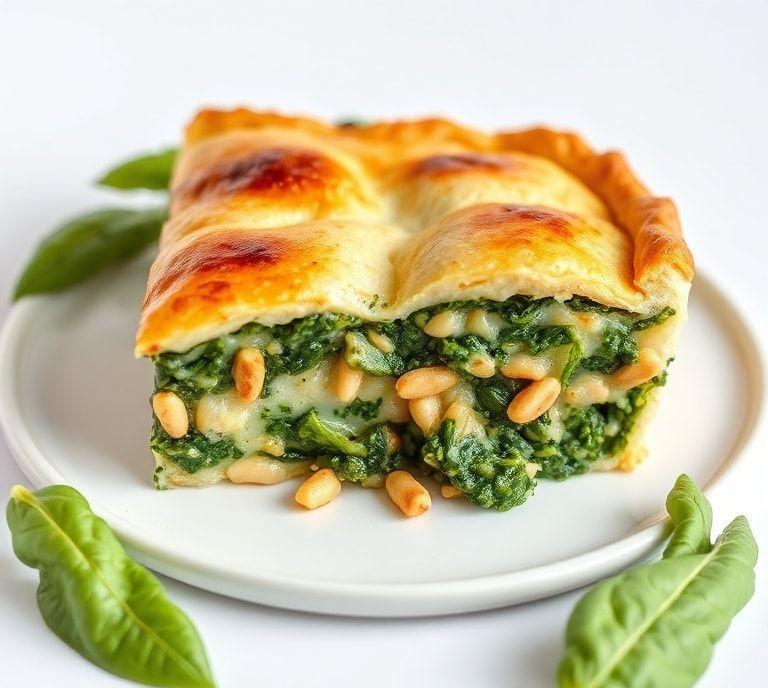
This spinach pie is a savory, flaky, and satisfying dish that can be made as a main course or a side. The blend of spinach, cheese, and spices wrapped in a golden, crispy pastry is a celebration of fresh ingredients. There’s a certain warmth in each bite that makes it feel like home, even if you’re serving it at a dinner party or a casual weekend meal.
Ingredients Needed
- Spinach (fresh or frozen) – 4 cups (fresh spinach or 2 cups of frozen spinach, thawed and drained)
- Feta cheese – 1 cup, crumbled
- Ricotta cheese – 1 cup
- Eggs – 2 large, beaten
- Garlic – 2 cloves, minced
- Onion – 1 medium, finely chopped
- Olive oil – 2 tablespoons
- Phyllo dough – 8-10 sheets
- Nutmeg – 1/4 teaspoon (this adds an unexpected warmth to the flavor)
- Salt and pepper – to taste
- Butter – 1/4 cup (melted, for brushing the phyllo dough)
Cooking Instructions
- Prepare the spinach: Start by sautéing the garlic and onion in olive oil over medium heat. Cook them for about 2-3 minutes until the onion softens and the kitchen smells amazing. Add in your spinach (whether fresh or thawed frozen) and cook it until it wilts down. If you’re using frozen spinach, make sure to squeeze out any excess water before adding it to the pan. Let it cook for another minute or two, then remove it from heat to cool.
- Make the filling: In a large bowl, combine the ricotta, feta, and beaten eggs. Stir in the cooled spinach mixture, then add the nutmeg, salt, and pepper. Give it a good mix until everything is well incorporated. You’ll end up with a creamy, vibrant filling that’s almost as good as it smells.
- Prepare the phyllo dough: Phyllo dough can be a bit delicate, so you’ll want to be gentle with it. Lay out a sheet of phyllo dough on a clean surface, brush it with melted butter, then layer another sheet on top. Repeat this process until you have about 6-7 sheets stacked together. The butter helps the dough become crispy and golden once baked.
- Assemble the pie: Once your phyllo layers are ready, spoon the spinach filling onto the center of the dough. Fold up the edges, then carefully roll the dough around the filling, creating a kind of log or bundle. Be sure the filling is sealed inside.
- Bake the pie: Transfer the pie to a greased baking sheet and brush the top with a bit more melted butter. Bake in a preheated oven at 375°F (190°C) for about 30-40 minutes, or until the phyllo is golden brown and crispy. Let the pie rest for a few minutes before slicing. You’ll want to wait just long enough to avoid burning your mouth on that delicious, cheesy filling.
Ingredient Science Spotlight
Each ingredient in this recipe has its own role in both flavor and texture, and understanding the science behind it is half the fun. Take spinach, for example. It’s packed with nutrients like iron and vitamins A and K, but when cooked, it releases a certain amount of water. That’s why we always cook spinach before using it in a pie-it reduces the moisture content so you don’t end up with a soggy crust.
Then there’s the feta cheese. It’s briny and tangy, adding a burst of flavor that complements the milder ricotta. Ricotta’s role here is as the binder-it’s soft and creamy, providing a luxurious texture that holds everything together. When mixed with the eggs, it creates a rich filling that’s not too heavy.
The phyllo dough is a true marvel. This thin, flaky pastry is layered, and when baked, it becomes crispy and golden. Buttering each sheet helps create these layers, ensuring the final result is as flaky as possible. It’s this flaky texture that makes the pie feel light despite the richness of the filling.
Expert Tips
- Use fresh spinach: While frozen spinach is convenient, fresh spinach gives the pie a brighter, more vibrant flavor. Plus, it cooks down to a lovely texture when sautéed, which really contributes to the overall dish.
- Don’t overstuff: Phyllo dough is delicate, so you want to make sure you don’t overload it with filling. Too much stuffing can cause the dough to tear or result in a soggy pie. Keep the filling modest, but generous enough to enjoy in every bite.
- Brush generously with butter: The butter is key to getting that perfect crisp on the phyllo dough. Don’t skimp on it, but also don’t drown the dough-just a light, even coating will do wonders for the texture.
- Let it cool before slicing: As tempting as it may be to dig right in, letting the pie cool for 5-10 minutes after baking ensures that the filling sets and doesn’t spill out when you slice it.
Recipe Variations
One of the great things about this spinach pie is how easy it is to customize. You can switch up the cheeses, add herbs, or even change up the greens entirely. Here are a few variations:
- Add some herbs: Fresh dill or basil can bring a wonderful brightness to the filling. Add about a tablespoon of chopped fresh herbs into the mix for a pop of flavor.
- Cheese swap: If feta isn’t your thing, you could try goat cheese for a more tangy flavor or mozzarella for a milder, meltier option.
- Add other veggies: Want to up the veggie quotient? Try adding some sautéed mushrooms or roasted red peppers to the filling. They’ll add depth and complexity.
- Go gluten-free: If you’re avoiding gluten, you can make this recipe with gluten-free phyllo dough or a crust made from almond flour or oat flour.
Final Words
I’m a big believer in the power of simple ingredients to create something truly special. This vegetarian spinach pie might seem straightforward, but it’s a reminder that the simplest dishes often have the biggest impact. It’s a recipe that’s incredibly versatile, easy to prepare, and can be a showstopper whether you’re serving it at a family dinner, a gathering with friends, or as a weeknight treat.
There’s something about a homemade pie that makes you feel connected to the meal in a way that store-bought versions just can’t match. The layers of phyllo dough, the creamy filling, the crispy crust-it all comes together so effortlessly, and yet, the result feels like something to be truly proud of.
FAQs
What Ingredients Are Essential For Making A Vegetarian Spinach Pie?
A vegetarian spinach pie typically requires fresh or frozen spinach, eggs for binding, feta or ricotta cheese for creaminess, onions or garlic for flavor, olive oil or butter for sautéing, and a pastry crust or phyllo dough. Additional seasonings such as nutmeg, black pepper, and salt enhance the taste.
Can I Make A Spinach Pie Vegetarian-friendly Without Using Cheese?
Yes, you can prepare a vegetarian spinach pie without cheese by using alternatives like silken tofu, cashew cream, or nutritional yeast. These substitutes maintain a creamy texture and add flavor while keeping the dish entirely plant-based.
How Can I Ensure My Spinach Pie Doesn’t Become Soggy?
To prevent sogginess, thoroughly drain and squeeze excess water from fresh or thawed frozen spinach before mixing it with other ingredients. Additionally, pre-baking the pie crust slightly (blind baking) can create a barrier that keeps the filling from making the crust wet during baking.