When the holidays roll around, the food is a big part of what makes them feel special. But let’s be honest-while turkey, ham, or whatever the main dish may be often takes center stage, it’s the sides that make the meal truly memorable. One dish that has always captured my attention, especially for those looking for something a little different, is stuffing. It’s warm, hearty, and full of flavor, yet it can easily be overlooked in favor of more conventional options.
Now, I’ve always been a fan of traditional stuffing, but there’s something uniquely comforting about a vegetarian version, especially when you bring in the rich, earthy flavor of chestnuts. They’re not just a seasonal treat, they have a texture that complements the softness of bread perfectly. If you’re looking for a stuffing that’s a bit more refined yet still maintains that cozy, home-cooked essence, I think you’ll love this vegetarian chestnut stuffing recipe. It’s full of depth and layers of flavor, yet it’s simple enough that it won’t take you all day to prepare. Plus, it pairs wonderfully with almost anything you put on your holiday table.
Vegetarian Chestnut Stuffing Recipe
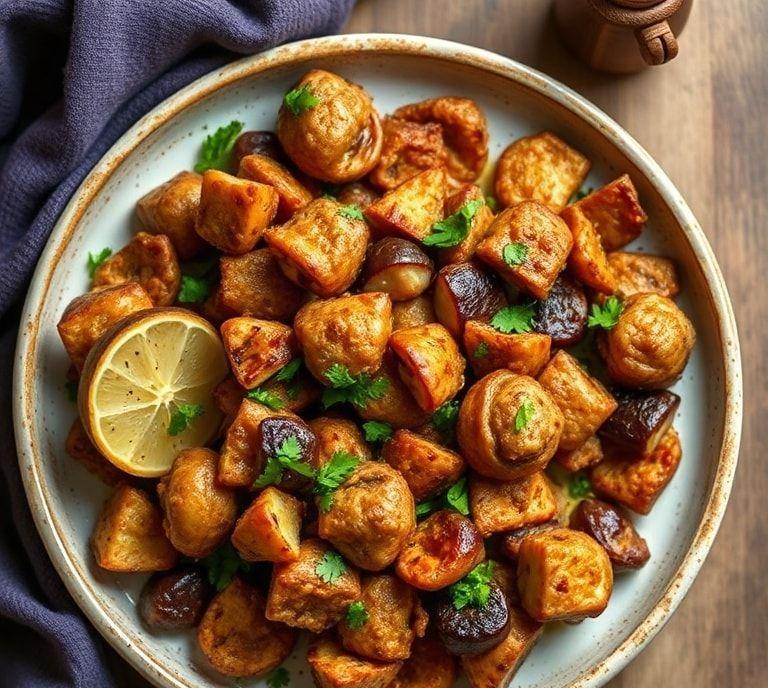
So, let me paint the picture for you: imagine golden-brown bread cubes soaked in a fragrant, savory broth, enhanced with caramelized onions, fresh herbs, and the slightly sweet, buttery crunch of chestnuts. This vegetarian chestnut stuffing is a savory-sweet masterpiece that really brings out the best in traditional stuffing flavors, but with a little twist. It’s a dish that can make even the most devout carnivores reconsider their choices-and the best part? No meat in sight.
Ingredients Needed
Before we dive into the cooking part, let’s talk about what you’ll need. These are the basics, but remember, as with any recipe, the magic often happens in how you bring them together.
- 1 loaf of rustic bread (about 10 cups of cubes; sourdough, French bread, or any hearty loaf works)
- 2 tablespoons olive oil (or butter, if you’re looking for a richer flavor)
- 1 medium onion, diced
- 2 stalks celery, diced
- 2 cloves garlic, minced
- 1 ½ cups chestnuts, cooked and roughly chopped (you can use canned or pre-cooked chestnuts, or roast them yourself)
- 2 cups vegetable broth (low-sodium, if you prefer)
- 1 tablespoon fresh thyme, chopped (or 1 teaspoon dried)
- 1 tablespoon fresh sage, chopped (or 1 teaspoon dried)
- ½ teaspoon salt (or to taste)
- ½ teaspoon black pepper
- 1 teaspoon dried rosemary (optional, but it adds a nice earthy touch)
- 1 large egg, beaten (optional, but it helps bind everything together)
Cooking Instructions
Once you’ve gathered your ingredients, it’s time to dive into the cooking. This stuffing is one of those dishes where it’s all about layering flavors, so take your time as you go through the steps.
- Preheat the oven to 350°F (175°C). If you’re roasting your chestnuts from scratch, go ahead and score them, roast them in the oven for about 20-30 minutes, peel off the skins, and roughly chop them.
- Prepare the bread: Slice your loaf into cubes (roughly 1-inch), then lay them out on a baking sheet in a single layer. Toast the bread in the oven for 10-15 minutes until it’s slightly crispy and golden. This will help it soak up all the delicious flavors without turning soggy. Set it aside to cool slightly.
- Sauté the vegetables: In a large skillet, heat the olive oil (or butter) over medium heat. Add the diced onions and celery, and sauté for about 5-7 minutes until they’re softened and slightly caramelized. Add the garlic and cook for another minute until fragrant.
- Mix the stuffing: In a large mixing bowl, combine the toasted bread cubes, sautéed vegetables, and chestnuts. Add the fresh herbs, salt, pepper, and rosemary. Pour the vegetable broth over the mixture and toss everything together gently. The bread should soak up the broth, but it shouldn’t be too wet. Add more broth if needed.
- Bind with egg: If you’re using an egg, fold it in now. This helps bind the stuffing together, giving it that perfect consistency when it bakes.
- Bake the stuffing: Transfer the stuffing mixture into a greased 9×13-inch baking dish. Cover with foil and bake for 25 minutes. Then, remove the foil and bake for another 10-15 minutes, or until the top is golden brown and crispy.
- Serve and enjoy: Once it’s done, give it a few minutes to cool before serving. I love this stuffing as a side to roasted vegetables, mashed potatoes, or even as a standalone dish for a vegetarian feast.
Ingredient Science Spotlight
When making a stuffing, the bread is the foundation, but it’s the combination of herbs, vegetables, and chestnuts that really take this dish to the next level.
Let’s talk about chestnuts for a moment. These little nuggets are a unique contrast to the bread’s texture. They’re starchy, with a mild, sweet flavor, and when roasted, they become soft with a slight nutty bitterness that balances perfectly with the savory stuffing. From a scientific standpoint, chestnuts have less fat than most other nuts, but they’re packed with complex carbohydrates, which is why they contribute such a satisfying texture to the stuffing without making it greasy. Their moisture content helps keep the stuffing from drying out too, adding a subtle richness without overwhelming the other flavors.
The fresh herbs-sage, rosemary, and thyme-are a trifecta of flavors that not only complement the earthy chestnuts but also add layers of complexity. Herbs release volatile oils when cooked, which bring out their unique flavor compounds, giving the stuffing that deep, aromatic quality that you just can’t get from dried herbs alone.
Expert Tips
- Day-old bread is best: If you can, use bread that’s a day or two old. It will hold up better when soaking in the broth, whereas fresh bread can get soggy too quickly. If you don’t have time to let the bread age, just toast it a little longer in the oven to dry it out.
- Chestnuts are key: Don’t skip the chestnuts-they’re the real star of the show here. If you can’t find fresh or roasted chestnuts, you can substitute them with other nuts like walnuts, but the flavor won’t be the same. Chestnuts have a subtle sweetness and texture that’s difficult to replicate.
- Flavor-building is the secret: Don’t rush the sautéing process. Caramelizing onions and celery slowly at the start builds a deep, sweet, savory base for your stuffing.
- Broth control: Add the broth gradually, so the stuffing doesn’t get too wet. The goal is for the bread to absorb just enough liquid to become soft and flavorful, but not soggy.
Recipe Variations
- Add mushrooms: For an extra savory boost, you can sauté some mushrooms along with the onions and celery. They’ll add a meaty texture and umami flavor.
- Dried fruits: Some people like a little sweetness in their stuffing. Dried cranberries or raisins work beautifully with the chestnuts and herbs, adding a pop of color and flavor.
- Nuts and seeds: If you’re not a fan of chestnuts, try hazelnuts or even sunflower seeds for some extra crunch and protein.
- Vegan version: Skip the egg and use a plant-based butter or olive oil for sautéing. The stuffing will still hold together beautifully, and it’ll be just as satisfying.
Final Words
There’s something about stuffing that feels like the essence of comfort food. It’s hearty, warm, and full of love. But when you elevate it with chestnuts, fresh herbs, and the right balance of seasonings, it becomes so much more than just a side dish. It’s a conversation starter, a crowd-pleaser, and a great way to introduce some seasonal flavors into your meal.
Whether you’re serving it for a holiday gathering or just a cozy family dinner, this vegetarian chestnut stuffing recipe is guaranteed to make an impression. And if you’ve never tried chestnuts before, now’s the perfect time to start.
FAQs
What Ingredients Are Needed For A Vegetarian Chestnut Stuffing?
A vegetarian chestnut stuffing typically requires chestnuts (fresh or pre-cooked), bread cubes (preferably stale), vegetable broth, onions, celery, garlic, herbs like sage and thyme, butter or olive oil, and seasonings like salt and pepper. Optional ingredients may include mushrooms, carrots, or cranberries for added flavor.
Can I Make A Vegetarian Chestnut Stuffing Ahead Of Time?
Yes, you can prepare vegetarian chestnut stuffing ahead of time. After assembling the stuffing, store it in the refrigerator for up to one day before cooking. If you want to make it further in advance, you can freeze the stuffing (before baking). When you’re ready to bake, thaw it in the fridge overnight and then cook according to the recipe instructions.
What Can I Substitute For Chestnuts In A Vegetarian Stuffing?
If chestnuts are unavailable, you can substitute with other nuts like walnuts, pecans, or hazelnuts for a similar texture. Some recipes also use breadcrumbs or wild rice as a base, adding extra flavor and moisture. For a nut-free version, consider using diced mushrooms or roasted root vegetables to maintain a hearty and savory filling.