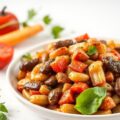
A good shawarma has a certain magic to it. Whether it’s the sizzling sound of the meat on the grill, the fragrant spices swirling around, or the final product wrapped in soft pita, it’s a meal that taps into something deeply satisfying. But what happens when you don’t eat meat, or you’re looking to try something a little different? That’s when you turn to vegetarian shawarma. The twist here is that it’s just as hearty, flavorful, and indulgent as its meaty counterpart, but without any of the guilt.
Years ago, I found myself trying to recreate the delicious shawarma I’d had on a trip abroad, but with a vegetarian twist. I’d tasted a couple of vegetarian versions before, but they just didn’t quite hit the same notes. So, after a lot of trial and error (and some serious late-night cravings), I settled on a recipe that brings together all the comforting flavors of shawarma, but with vegetables taking the spotlight. Whether you’re a long-time vegetarian or just looking for a plant-based meal that doesn’t skimp on flavor, this one’s for you.
Shawarma Vegetarian Recipe

There’s something incredibly satisfying about wrapping up a well-seasoned, roasted vegetable mix in a pita, topped with creamy tahini, crunchy pickles, and fresh herbs. This vegetarian shawarma has it all: layers of flavor, different textures, and that slightly charred taste that makes shawarma so irresistible. It’s perfect for a quick weeknight meal or as a crowd-pleaser at your next get-together.
Ingredients Needed
Now, this is the fun part-the ingredient list! Each element of this dish brings something essential to the table, contributing to the perfect balance of flavors and textures. Here’s what you’ll need:
For The Shawarma Seasoning
- 2 tsp ground cumin
- 1 tsp ground paprika (smoked if you like a little more depth)
- 1 tsp ground coriander
- 1/2 tsp ground turmeric
- 1/2 tsp ground cinnamon
- 1/4 tsp ground cloves
- 1/4 tsp ground black pepper
- 1/2 tsp salt
- 1/4 tsp cayenne pepper (optional, if you like some heat)
- 1 tbsp olive oil (for mixing)
For The Vegetables
- 1 medium eggplant, cut into thick slices
- 2 large zucchinis, sliced
- 1 large red onion, sliced into rings
- 1 red bell pepper, sliced into strips
- 1 tbsp olive oil (for roasting)
- Fresh parsley, chopped (for garnish)
For The Tahini Sauce
- 1/4 cup tahini
- 1 tbsp lemon juice
- 1 clove garlic, minced
- Water, as needed to thin it out
- Salt, to taste
Extras
- Warm pita bread (or flatbreads)
- Pickled cucumbers (or other pickled veggies)
- Fresh herbs, like parsley or cilantro, for garnish
Cooking Instructions
Preheat Your Oven
Start by preheating your oven to 400°F (200°C). It’s important to get the oven nice and hot for the veggies to roast and get that delicious caramelized edge.
Season The Vegetables
In a large mixing bowl, toss your eggplant, zucchini, onion, and red bell pepper with olive oil and all of the shawarma spices. You can adjust the spice levels to your liking-if you prefer more of a kick, bump up the cayenne. Spread the seasoned veggies in an even layer on a baking sheet. Roast them for about 25-30 minutes, flipping them halfway through, until they’re golden brown and tender.
Make The Tahini Sauce
While the veggies are roasting, you can make the tahini sauce. In a small bowl, whisk together the tahini, lemon juice, minced garlic, and a pinch of salt. Gradually add water until you reach a creamy, pourable consistency. Taste and adjust with more lemon or salt as needed.
Assemble The Shawarma
Once the vegetables are roasted, take them out of the oven. Warm your pita or flatbread in a dry skillet or microwave. Spread a generous amount of tahini sauce on the flatbread, layer on the roasted veggies, and top with pickled cucumbers and fresh herbs.
Wrap It Up
Fold the pita around the filling, wrapping it up tightly. If you’re serving a crowd, you can cut each shawarma into halves or quarters to make them easier to share.
Ingredient Science Spotlight
When you think about shawarma, what stands out is the beautiful blend of spices. The earthy cumin, smoky paprika, and warm cinnamon create a flavor profile that’s comforting and familiar. But it’s not just about the flavor-these spices also have powerful health benefits.
Take cumin, for instance. It’s not only great for digestion, but it’s also an antioxidant, helping to combat free radicals in the body. Meanwhile, turmeric is a superstar when it comes to anti-inflammatory properties, which is why you often see it in dishes aimed at boosting overall wellness.
Then, of course, there’s the eggplant, which is often underappreciated in vegetarian dishes. It’s packed with fiber and antioxidants, particularly nasunin, which has been shown to protect brain cells. The roasted veggies in this recipe aren’t just flavorful-they’re good for you, too.
Expert Tips
- Roast the Veggies in Batches: To avoid overcrowding the pan, which can make the veggies steam instead of roast, it’s best to spread them out in one layer. If you have a lot of vegetables, consider roasting them in two batches.
- Tahini Sauce Consistency: If your tahini sauce is too thick, add a bit more water or lemon juice to thin it out. Some tahini pastes are thicker than others, so you may need to adjust to get the perfect sauce.
- Don’t Skip the Pickles: I know it might seem optional, but the tangy crunch of pickled cucumbers adds an essential contrast to the creamy tahini and roasted vegetables. Trust me-it’s worth it.
- Customize Your Shawarma: If you want to add a little extra texture, try adding some crunchy lettuce or shredded cabbage inside the pita. You can also swap in different vegetables, like sweet potato or cauliflower, for variety.
Recipe Variations
This vegetarian shawarma recipe is highly adaptable. Here are a few variations you can try:
- Add Falafel: If you’re craving something extra filling, stuff your pita with some crispy falafel balls in addition to the roasted veggies. The combination of the two is a flavor explosion.
- Grilled Halloumi: For a cheesy twist, grill some halloumi cheese and add it to your shawarma. The salty, squeaky cheese complements the spices beautifully.
- Chickpeas: If you’re looking for an extra protein punch, add roasted chickpeas or spiced lentils to your shawarma. They’ll add both texture and nutrition.
- Spicy Yogurt Sauce: Swap the tahini for a creamy yogurt sauce made with plain Greek yogurt, garlic, and a squeeze of lemon. This adds a cool contrast to the spiced vegetables.
Final Words
The beauty of vegetarian shawarma lies in its versatility. It’s a simple meal, but one that feels like a little celebration of flavors. The tang of the tahini, the savory warmth of the roasted veggies, and the freshness of the herbs and pickles come together in such a satisfying way. It’s a dish that feels comforting yet exciting, nourishing yet indulgent.
This recipe isn’t just about making a delicious vegetarian meal-it’s about experiencing the heart and soul of shawarma without needing any meat at all. Whether you’re already a fan of plant-based dishes or just dipping your toes into the world of vegetarian cooking, I think this one’s going to become a regular in your kitchen.
FAQs
What Ingredients Are Needed To Make A Vegetarian Shawarma?
To make a vegetarian shawarma, you’ll need ingredients like chickpeas, mushrooms, tofu, or eggplant as the main protein source. For seasoning, use garlic, cumin, paprika, coriander, turmeric, and cinnamon. You’ll also need pita bread or flatbreads, tahini sauce, cucumber, tomatoes, lettuce, and pickles to assemble the shawarma.
Can I Make The Shawarma Vegetarian Recipe Gluten-free?
Yes, you can easily make a gluten-free vegetarian shawarma by using gluten-free flatbreads or wraps, such as rice or corn-based tortillas. Ensure that the tahini sauce and other ingredients do not contain gluten, especially if you’re using pre-made sauces or marinades.
How Do I Cook The Vegetables Or Protein For A Vegetarian Shawarma?
For a vegetarian shawarma, you can cook the vegetables or protein in several ways. Roasting vegetables like mushrooms or eggplant with olive oil, garlic, and spices until tender is a popular option. Alternatively, pan-fry tofu or chickpeas with spices for a crispy texture. Grilling vegetables or using a skewered method can also add flavor and authenticity to the dish.