If you’re like me, some of the best memories are tied to meals shared with family and friends. There’s something about food that brings people together, transcending all sorts of boundaries-whether it’s cultural, generational, or even personal. Growing up, I remember weekends spent with the smell of freshly made tortillas and sizzling beans wafting through the house, with my mom stirring up something delicious in the kitchen. The simplicity of those dishes is what I loved most, especially because they didn’t just nourish the body, but also fed the soul.
As I’ve grown older, my love for vegetarian cooking has only deepened, not only for its health benefits but for the way it can transform familiar flavors. Today, I want to share one of my all-time favorites: a vegetarian Mexican dish that packs a punch in flavor and authenticity, without a single ounce of meat in sight. It’s easy to prepare, rich in flavor, and satisfies that deep craving for Mexican comfort food.
Vegetarian Mexican Recipe
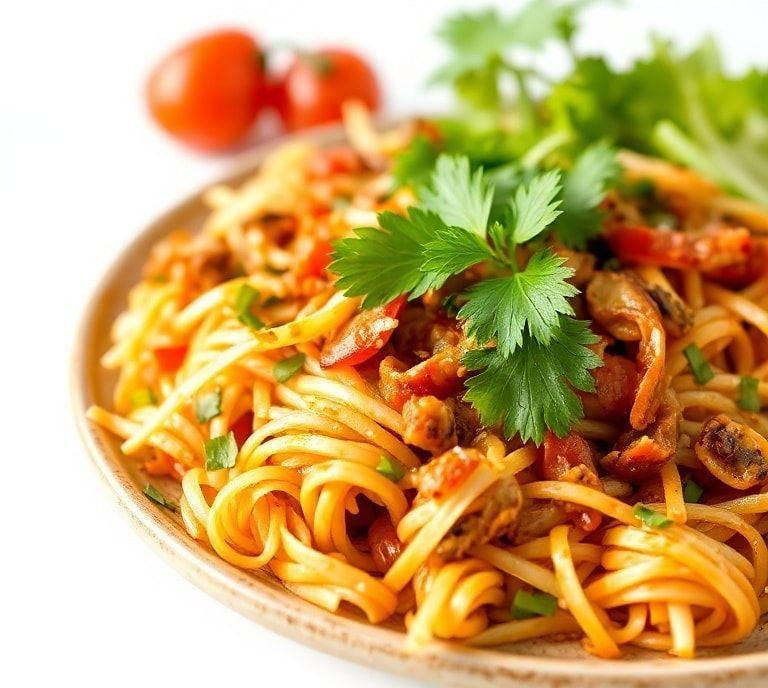
Let’s talk about a vegetarian twist on a classic Mexican recipe: Vegetarian Tacos with Roasted Vegetables and Avocado Crema. These tacos are vibrant and packed with textures, from the smoky roasted vegetables to the creamy, zesty avocado sauce. It’s a fresh take on traditional tacos, but don’t let the simplicity fool you-this meal is full of bold flavors.
Whether you’re preparing a casual weeknight dinner or something for friends, these tacos will impress everyone at the table. Plus, they’re so versatile that you can adjust the heat or seasoning to fit your taste.
Ingredients Needed
Here’s what you’ll need to bring these tacos to life:
- Taco Shells: You can use soft flour tortillas or crunchy corn shells, depending on your preference. I’m partial to flour tortillas myself-they’re soft and warm, and they let the other ingredients shine.
-
Vegetables
- 1 large sweet potato, peeled and diced
- 1 red bell pepper, diced
- 1 zucchini, sliced into half-moons
- 1 red onion, sliced
- 1 cup of corn kernels (fresh or frozen)
-
Seasoning
- 1 tsp ground cumin
- 1 tsp chili powder
- 1/2 tsp smoked paprika
- Salt and pepper to taste
- 2 tbsp olive oil (for roasting)
-
For The Avocado Crema
- 1 ripe avocado
- 1/4 cup Greek yogurt (or sour cream for a richer taste)
- 1 tbsp lime juice
- 1 garlic clove, minced
- Salt and pepper to taste
-
For Garnish
- Fresh cilantro, chopped
- Lime wedges
- Crumbled feta cheese (optional for a tangy kick)
Cooking Instructions
- Prepare the Vegetables: Start by preheating your oven to 400°F (200°C). On a baking sheet, toss the diced sweet potato, red bell pepper, zucchini, red onion, and corn with olive oil, cumin, chili powder, smoked paprika, salt, and pepper. Spread the vegetables evenly so they roast nicely, and pop the sheet into the oven. Roast for about 25-30 minutes, stirring halfway through, until the vegetables are golden and tender.
- Make the Avocado Crema: While the veggies are roasting, grab your blender or food processor. Combine the avocado, Greek yogurt, lime juice, garlic, salt, and pepper. Blend until smooth and creamy. Taste, and if you want it tangier, add a bit more lime juice or a pinch of salt. If you like extra creaminess, a splash of olive oil works wonders.
- Assemble the Tacos: Warm your tortillas in a dry skillet over medium heat for about 30 seconds per side, just until they’re soft and pliable. Once the vegetables are ready, spoon them into the center of the tortillas. Drizzle the avocado crema over the roasted vegetables, then sprinkle with fresh cilantro. If you’re using feta cheese, crumble a little on top for added flavor. Serve with a lime wedge on the side for an extra zing.
Ingredient Science Spotlight
Let’s take a moment to appreciate the science behind some of these ingredients and why they work so well in this recipe.
- Sweet Potatoes: These are rich in beta-carotene, which our bodies convert into Vitamin A, essential for good vision, skin health, and immune function. Plus, the natural sweetness of sweet potatoes pairs beautifully with the smoky spices in the tacos, creating a well-rounded flavor profile.
- Avocados: The creamy, smooth texture of avocado comes from its high fat content, particularly heart-healthy monounsaturated fats. But here’s the twist-these fats not only give the avocado its velvety texture, but they also help your body absorb fat-soluble vitamins from other ingredients, like the Vitamin A in sweet potatoes and the Vitamin C in lime.
- Greek Yogurt: Packed with protein and probiotics, Greek yogurt is not only good for digestion, but it also adds a tangy depth to the avocado crema. The protein helps balance out the carbohydrates from the vegetables and tortillas, giving you a satisfying meal.
Expert Tips
- Use High-Quality Tortillas: This may seem simple, but the right tortilla can make or break your taco. Try to find ones made with just a few ingredients-flour, water, salt, and sometimes a bit of oil. Avoid those with preservatives if possible; the flavor is always better with fresh, simple ingredients.
- Roast Your Vegetables at High Heat: This is key for caramelization and flavor. Roasting at 400°F allows the sugars in the vegetables to come out, giving them a lovely sweetness and depth that balances the spices perfectly. Don’t be afraid of a little char; it adds a smoky flavor that makes the dish irresistible.
- Balance Your Flavors: Don’t shy away from adjusting the lime juice, salt, or spices to suit your personal taste. Tacos are all about the balance of acidity, heat, and creaminess. If you prefer a spicier version, add some chopped jalapeños or a drizzle of hot sauce on top.
Recipe Variations
The beauty of this recipe is how flexible it is. If you’re not a fan of one of the vegetables, you can easily swap it out. For instance:
- Swap Sweet Potato: If sweet potatoes aren’t your thing, you can substitute with butternut squash or even roasted carrots for a similar texture and sweetness.
- Different Protein: If you want to add a plant-based protein, try black beans or pinto beans. You can sauté them with the same spices to infuse them with flavor.
- Dairy-Free: To make this recipe fully dairy-free, substitute the Greek yogurt with coconut yogurt or simply use more lime juice and a pinch of nutritional yeast for that cheesy, creamy texture.
Final Words
This vegetarian Mexican recipe isn’t just about skipping the meat; it’s about celebrating the vegetables and ingredients that make Mexican cuisine so vibrant. It’s simple, healthy, and bursting with flavor, but most importantly, it feels like home. There’s something so comforting about the ritual of preparing tacos, whether it’s by yourself or surrounded by friends. It’s a dish that brings a sense of warmth, joy, and connection-perfect for any occasion.
FAQs
What Are Some Common Ingredients In A Vegetarian Mexican Recipe?
Vegetarian Mexican recipes typically include a variety of fresh vegetables such as bell peppers, onions, zucchini, corn, tomatoes, and avocados. Beans like black beans and pinto beans are commonly used as a protein source. Grains like rice or quinoa are often included, as well as Mexican spices such as cumin, chili powder, oregano, and garlic. Cheese, sour cream, and tortillas are also frequently found in vegetarian Mexican dishes.
Can I Make Traditional Mexican Dishes Vegetarian?
Yes, many traditional Mexican dishes can be made vegetarian by substituting animal proteins with plant-based alternatives. For example, tacos, burritos, and enchiladas can be filled with beans, grilled vegetables, tofu, or tempeh. Additionally, vegetarian versions of Mexican staples like tamales and chiles rellenos are popular, often using ingredients like cheese, beans, or corn-based fillings in place of meat.
Are Vegetarian Mexican Recipes Typically Spicy?
Vegetarian Mexican recipes can range from mild to spicy, depending on the type and amount of chili peppers used in the dish. Ingredients like jalapeños, serrano peppers, or chipotle peppers are commonly used to add heat, but the level of spiciness can be adjusted to suit personal preferences. If you’re sensitive to spice, you can reduce or omit the chili peppers, or opt for milder varieties such as poblano peppers.