There’s something about a steaming bowl of pho that feels like a warm hug, don’t you think? It’s one of those dishes that has the power to turn an ordinary day into something special. When I first tried pho, I was introduced to its comforting depths-a broth so rich, so layered, that each sip felt like an experience. It’s a dish that invites you in, slowly, with each aromatic ingredient revealing its secrets. Now, imagine that same satisfaction, but without the meat.
Vegetarian pho was a revelation for me. I never thought it was possible to capture that deep umami flavor I’d grown to love without a bone-based broth, but after experimenting with plant-based ingredients, I learned that it’s not only possible-it’s every bit as delicious. If you’ve been craving that warm, soul-soothing bowl of pho, but want to skip the meat, then you’ve come to the right place. This vegetarian pho broth recipe will bring all the cozy, fragrant comfort you love, in a totally plant-based way.
Vegetarian Pho Broth Recipe
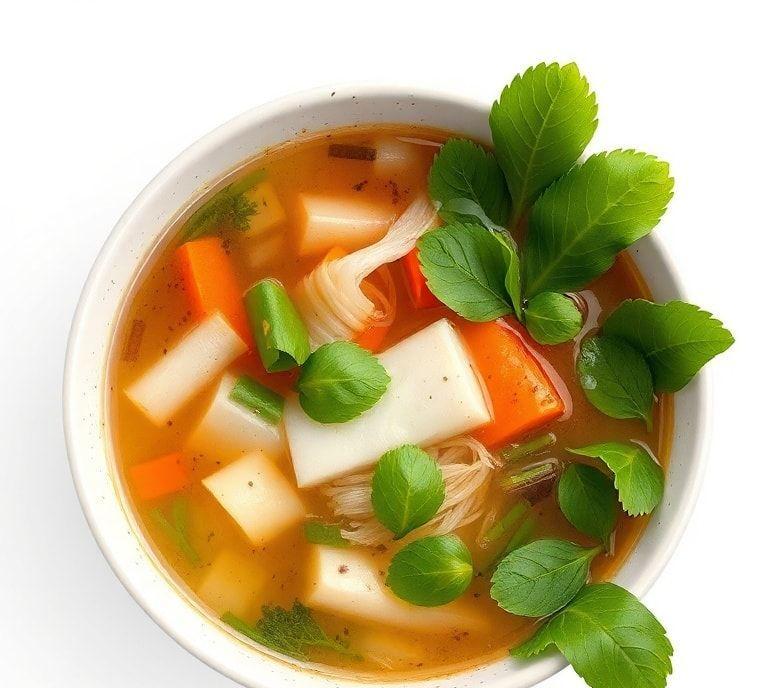
The key to a truly unforgettable vegetarian pho broth lies in balancing all those subtle layers of flavor. You want depth, warmth, and a hint of sweetness with the right amount of spiciness. While this recipe takes a little time to simmer, the result is a broth that feels like it’s been brewing for hours, even though you’re creating it with fresh, simple ingredients.
Ingredients Needed
To make a vegetarian pho broth that has all the depth you crave, you’ll need these key ingredients:
- Yellow onion (1 large) – Charred, for sweetness and a slight smokiness.
- Ginger (4-5 slices) – Fresh ginger adds an earthy, peppery warmth.
- Cinnamon stick (1) – For that unmistakable sweet-spicy aroma.
- Star anise (3 whole) – Adds a floral, licorice-like note that’s essential to pho.
- Cloves (4-5 whole) – These little guys give the broth a rich, spicy undertone.
- Cardamom pods (2) – A gentle, citrusy complexity that plays off the other spices.
- Mushrooms (shiitake or a blend, 8 oz) – They add that savory, umami kick.
- Soy sauce (3 tbsp) – Deep saltiness and a bit of savory richness.
- Vegetable stock (8 cups) – This is your base, so choose one that’s flavorful and not too salty.
- Sugar (1 tsp) – A hint of sweetness to balance the savory and sour notes.
- Salt (to taste) – To round out the flavors.
- Fresh herbs (Thai basil, cilantro, and mint) – These will be added as garnish, and they’re key to that fresh finish.
Cooking Instructions
-
Prepare The Aromatics
Start by charring the onion and ginger. You can either place them directly on a dry pan over medium heat or char them over an open flame on the stovetop if you have a gas burner. The goal is to get them dark and slightly burnt to bring out their natural sweetness. This process takes about 5-7 minutes. Once charred, set them aside.
-
Start The Broth
In a large pot, combine your vegetable stock and add the charred onion, ginger, and the whole spices (cinnamon, star anise, cloves, cardamom). Add the soy sauce, mushrooms, and sugar as well. Bring everything to a boil, then reduce to a simmer.
-
Simmer And Infuse
Let the broth simmer gently for at least 45 minutes, but up to 1.5 hours for deeper flavor. Keep the heat low, and make sure to skim off any impurities that float to the top. The broth should be fragrant, clear, and richly spiced.
-
Strain And Adjust
Once the broth has had time to develop its flavors, strain out the solids, leaving behind just the golden, aromatic liquid. Taste it-this is your moment to adjust the seasoning. Add salt if needed, and a bit more soy sauce or sugar if you want a more balanced flavor.
-
Assemble The Pho
To serve, place cooked rice noodles in bowls, and ladle the hot broth over the top. Add any veggies or tofu you like, along with a generous sprinkle of fresh herbs and bean sprouts. A squeeze of lime and a few slices of fresh chili will take it to the next level.
Ingredient Science Spotlight
Mushrooms are the secret ingredient that really brings this broth to life. Mushrooms, especially varieties like shiitake, are packed with glutamates, the naturally occurring compounds that are responsible for that savory, umami flavor. This is the same type of flavor you’d get from animal-based broths, which is why they’re so essential in a vegetarian pho. When simmered in the broth, they release a ton of flavor and provide a deep, earthy base that complements the spices.
Spices like star anise, cinnamon, and cloves have a fascinating relationship with the other ingredients in pho. They don’t just add flavor on their own; they also help enhance the natural flavors of the broth, making everything taste more rounded. For example, star anise brings a distinct floral sweetness that balances the salty soy sauce, while cinnamon adds warmth and depth.
Expert Tips
- Low and slow: Like all great broths, the key to the best pho is patience. A longer simmering time will let the flavors develop, but if you’re pressed for time, even 45 minutes will give you a flavorful broth.
- Roast the spices before adding them to the pot. You don’t need to do this for the onions or ginger, but lightly toasting the whole spices in a dry pan for a couple of minutes helps release their oils and deepens their flavor.
- Stock quality matters. Since this is a vegetarian broth, the quality of your vegetable stock is paramount. Opt for one that’s rich and flavorful (or homemade) rather than a basic, watery one.
- Fresh herbs are non-negotiable. The last-minute addition of Thai basil, cilantro, and mint transforms a good bowl of pho into an unforgettable one. They’re an essential part of the pho experience.
- Add a squeeze of lime at the very end. It brightens the broth and brings all the other flavors into focus.
Recipe Variations
Pho is a flexible dish, and this vegetarian version is no exception. If you want to experiment, here are a few ideas:
- Add tofu or tempeh: If you want to up the protein, cubes of firm tofu or tempeh work beautifully in pho. You can either simmer the tofu directly in the broth or pan-fry it to get a crispy texture before adding it to the bowl.
- Vegetables: Try adding baby bok choy, thinly sliced carrots, or bamboo shoots. These not only add texture but also contribute to the broth’s flavor.
- Spice it up: If you like your pho on the spicier side, throw in a couple of Thai bird’s eye chilies during the simmering process or top your bowl with chili paste or fresh sliced chili.
- Noodles: While rice noodles are the classic, you could also swap them out for zucchini noodles for a low-carb twist, or even udon noodles for something thicker and chewier.
Final Words
Making pho is an act of patience and attention. The reward is a dish that envelops you in warmth, nostalgia, and comfort-no matter what time of year. With this vegetarian broth recipe, you can enjoy all those familiar flavors of pho while keeping things plant-based. Whether you’re a seasoned pho enthusiast or someone new to the dish, this recipe gives you all the flexibility to make it your own, tweaking it based on what you have in the kitchen or your own personal taste preferences.
FAQs
What Are The Key Ingredients For Making Vegetarian Pho Broth?
The key ingredients for making vegetarian pho broth include vegetable stock, onion, ginger, star anise, cinnamon, cloves, cardamom, and soy sauce or tamari. You may also add mushrooms, carrots, and other vegetables for added depth of flavor. The spices should be toasted to release their essential oils, and the broth should be simmered for an extended period to develop a rich, complex flavor.
How Long Should I Simmer The Vegetarian Pho Broth?
For the best flavor, the vegetarian pho broth should be simmered for at least 1 to 1.5 hours. This allows the spices to infuse the broth and for the vegetables to soften and release their flavors. Some recipes may suggest simmering for up to 2 hours for a more robust taste. Be sure to occasionally check the broth, adding water if it reduces too much.
Can I Make Vegetarian Pho Broth In Advance?
Yes, vegetarian pho broth can be made in advance. In fact, many people find that the broth tastes even better after resting for a day or two, as the flavors continue to meld together. Once the broth has cooled, store it in an airtight container in the refrigerator for up to 4 days or freeze it for up to 3 months. Reheat the broth before serving with fresh ingredients like noodles, herbs, and tofu.