I’ve always believed that food has this magical power to transport you back to a moment, a place, or even a feeling. You know those meals that aren’t just delicious, but feel like a warm embrace? That’s exactly what this red wine vegetarian dish aims to be.
A few years ago, I stumbled upon a similar recipe when I was looking for a comforting dish to make on a rainy evening. I had been experimenting with vegetarian recipes-trying to make them rich and hearty enough to satisfy my meat-loving friends-and I wanted to create something that balanced richness with the earthiness of vegetables. A bottle of red wine sat on the counter, and in that moment, inspiration struck.
The beauty of cooking with red wine is that it gives depth and complexity to the dish, creating layers of flavor. And when paired with vegetables, it becomes this surprising dance between the sweetness of the wine and the umami of hearty ingredients. What came out of that moment was a recipe that became a regular in my kitchen, one I now love to share with others.
Red Wine Vegetarian Recipe
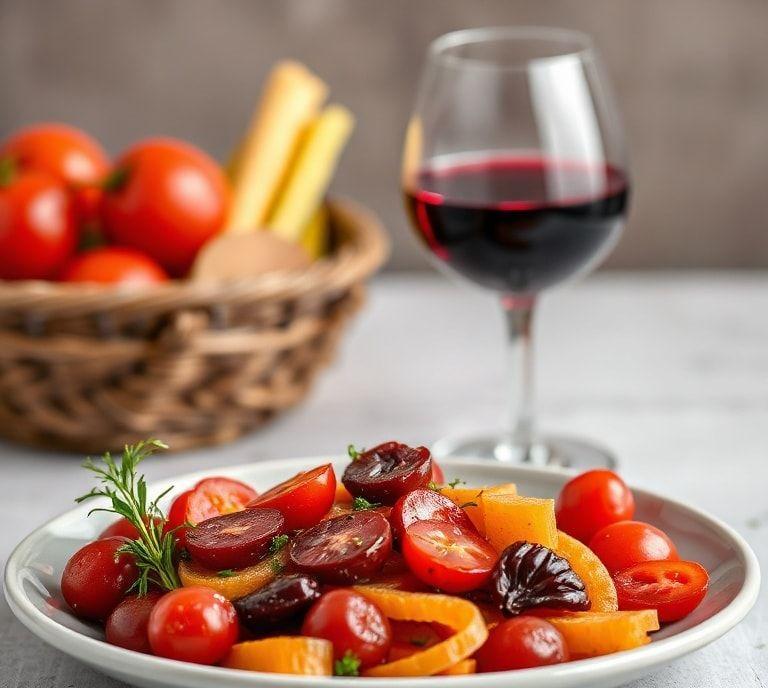
Imagine the tender bite of root vegetables, the comforting weight of mushrooms, and the acidity of red wine pulling everything together into a satisfying, full-bodied stew. That’s what you’re about to make: a rich, deeply flavorful vegetarian dish that can stand in as a main course or as a side to brighten up any meal. This isn’t your typical veggie dish; it’s robust, flavorful, and just a little bit indulgent.
Ingredients Needed
You’ll need a few simple ingredients, but each one plays an important role in creating the depth of flavor. It’s about balance and understanding how these components interact. Here’s what you’ll need:
- Olive oil (2 tablespoons): For sautéing, adding richness without overpowering the dish.
- Shallots (2, finely chopped): A bit sweeter and subtler than onions, they’re perfect for this dish.
- Garlic (4 cloves, minced): You can’t go wrong with garlic, and it adds that aromatic base.
- Mushrooms (2 cups, sliced): I love using cremini or portobello for a meaty texture, but any mushroom will work.
- Carrots (2, sliced): Earthy and sweet, they help balance the richness of the wine.
- Parsnips (2, sliced): A bit like carrots but with a nuttier, more complex flavor.
- Celery (2 stalks, chopped): For that fresh, herbaceous note that cuts through the heaviness of the wine.
- Red wine (1 ½ cups): A dry red wine works best here. Think Cabernet, Merlot, or Pinot Noir. This is the magic ingredient that’ll really elevate the dish.
- Vegetable broth (2 cups): Adds the necessary liquid base and rounds out the flavors.
- Tomato paste (2 tablespoons): Adds umami and a slight tang that enhances the wine’s richness.
- Bay leaves (2): Their subtle floral flavor adds depth to the simmering broth.
- Thyme (2 sprigs): Its earthy aroma brings everything together.
- Salt and pepper (to taste): Always adjust to your liking.
Cooking Instructions
Now, the cooking part. This is where the magic happens. The steps are straightforward, but it’s all about taking your time and letting the flavors meld. Here’s how to do it:
-
Sauté The Aromatics
Heat olive oil in a large pot over medium heat. Add the chopped shallots and garlic, and sauté for about 3-4 minutes until they soften and become fragrant. You’re looking for a golden brown color, but not burnt. That’s the base.
-
Cook The Mushrooms
Toss in your sliced mushrooms. They’ll soak up all that savory goodness from the shallots and garlic. Let them cook down for about 5 minutes until they release their moisture and shrink a bit.
-
Add The Root Vegetables
Stir in the carrots, parsnips, and celery. Cook for another 5 minutes, letting the vegetables soften slightly while absorbing the flavors of the mushrooms and aromatics.
-
Pour In The Red Wine
Here’s where the dish starts to come together. Pour in your red wine and bring it to a simmer. You want to reduce the wine by about a third, concentrating its flavors and evaporating some of the alcohol. This step is crucial-it transforms the wine from just an ingredient into the heart of the dish.
-
Simmer With Broth And Spices
Add the vegetable broth, tomato paste, bay leaves, and thyme. Stir everything together, scraping the bottom of the pot to release any stuck-on bits (that’s flavor!). Bring the whole thing to a simmer and cook uncovered for about 25-30 minutes, or until the vegetables are tender and the sauce has thickened to your liking.
-
Final Adjustments
Taste your stew, and don’t be afraid to add more salt, pepper, or even a little more wine or broth depending on your preference. If you want a thicker sauce, let it simmer for a bit longer.
Ingredient Science Spotlight
Now let’s talk science for a second. The star of this dish is, without a doubt, the red wine. But why does it make the vegetables taste so incredible?
Wine, especially red wine, contains tannins, which are compounds that create a dry, puckering sensation in your mouth. These tannins are the reason wine pairs so well with fatty or rich foods-they help cut through the richness and balance the flavors. In this dish, the wine’s tannins act as a natural flavor enhancer for the vegetables. The acidity in the wine also helps break down some of the vegetables’ fibrous components, making them more tender and flavorful. As the wine simmers, its sugars caramelize, contributing sweetness, while its acidity balances the earthiness of the root vegetables.
In short, the wine doesn’t just add a "wine flavor" to the dish; it fundamentally changes the texture and taste of the vegetables, enhancing their natural sweetness and umami.
Expert Tips
-
Don’t Skimp On The Red Wine
The quality of wine you use directly impacts the flavor of the dish. Choose something you’d happily drink. You don’t have to go for a fancy bottle, but avoid the bottom-shelf stuff. Aim for a dry red wine with a little body-it’ll do wonders in bringing out the richness in the vegetables.
-
Let The Dish Rest
Like most stews and braises, this dish tastes even better the next day. If you have time, let it cool, cover it, and refrigerate overnight. The flavors will deepen, and when you reheat it, it’ll feel like a whole new meal.
-
Use A Dutch Oven
If you have one, this is a great time to bring out your Dutch oven. The heavy pot distributes heat evenly, making sure everything cooks at the right pace without burning.
-
Pair With Bread
A crusty loaf of sourdough or a baguette goes wonderfully with this dish. You can even use it to sop up that delicious sauce.
Recipe Variations
-
Add Some Greens
Try tossing in a handful of spinach or kale at the end of cooking. It’ll wilt nicely and add a pop of color and flavor without disrupting the dish too much.
-
Roasted Vegetables
If you prefer a deeper, caramelized flavor, you could roast the carrots, parsnips, and mushrooms beforehand and then add them to the stew for the simmering step.
-
Smokier Flavor
Add a bit of smoked paprika or liquid smoke for a richer, smoky undertone that complements the wine’s depth.
-
Beans For Protein
If you want to turn this dish into a full meal, consider adding some beans-cannellini or chickpeas work well. They’ll soak up the sauce and add some heartiness to the dish.
Final Words
This recipe is more than just a meal-it’s an experience. It’s about savoring each moment, whether you’re chopping vegetables, waiting for the wine to reduce, or letting it all simmer together. There’s a kind of quiet satisfaction that comes from watching something transform with a few simple ingredients.
As a vegetarian dish, it stands on its own, offering bold flavors and satisfying textures. But, like any great recipe, it also invites creativity and adaptation. You can make it your own, tweak it, and add personal touches. Just like cooking for yourself or your loved ones, the possibilities are endless.
FAQs
What Are Some Common Ingredients Used In Red Wine Vegetarian Recipes?
Common ingredients in red wine vegetarian recipes often include vegetables like mushrooms, carrots, onions, and tomatoes. Herbs such as rosemary, thyme, and bay leaves, along with garlic and olive oil, are also frequently used. Additionally, various types of beans or lentils may be added for protein, and a variety of plant-based broths or stocks are often used as a base to complement the richness of red wine.
How Does Red Wine Enhance The Flavor Of Vegetarian Dishes?
Red wine adds depth and complexity to vegetarian dishes by introducing earthy, fruity, and slightly tannic flavors. The acidity of the wine helps balance the richness of the dish, while its tannins can bring a pleasant texture, particularly in sauces and stews. Red wine also acts as a tenderizer when used in slow-cooked recipes, allowing the flavors of the vegetables to meld beautifully with the wine’s nuanced notes.
Can I Substitute Red Wine With Another Ingredient In A Vegetarian Recipe?
Yes, if you prefer not to use red wine, there are several substitutes depending on the dish. For flavor and acidity, you can use vegetable broth with a splash of balsamic vinegar or a mixture of grape juice and vinegar. For a more robust option, non-alcoholic red wine or red wine vinegar can work as replacements. Keep in mind that these substitutes may alter the depth of flavor, but they can still provide a good base for a vegetarian recipe.