Have you ever had that moment where you’re craving something bold and flavorful but also want to keep it plant-based? That’s where Thai Red Curry comes in-a perfect harmony of spice, umami, and rich coconut goodness. I’ve made this dish countless times, and each time, it feels like I’ve unlocked a little more of its magic. I remember the first time I made it from scratch-there’s a moment of wonder when everything comes together, the aroma of the spices filling your kitchen. You don’t just make curry; you create an experience.
What makes this recipe stand out? It’s all about the red curry paste. Whether you buy it or make it yourself, this paste is the heart of the dish. In this recipe, we’re going the homemade route, and I promise you, the difference is night and day. Making your own paste is like playing an instrument-it’s personal, and you get to fine-tune it to your taste. Plus, you’ll be free from any preservatives or artificial ingredients.
Now, let’s get into the recipe. I’ll walk you through the ingredients, the process, and even a few tricks to make it perfect every time. Whether you’re a seasoned chef or a beginner, this dish is both accessible and deeply satisfying.
Thai Red Curry Paste Vegetarian Recipe
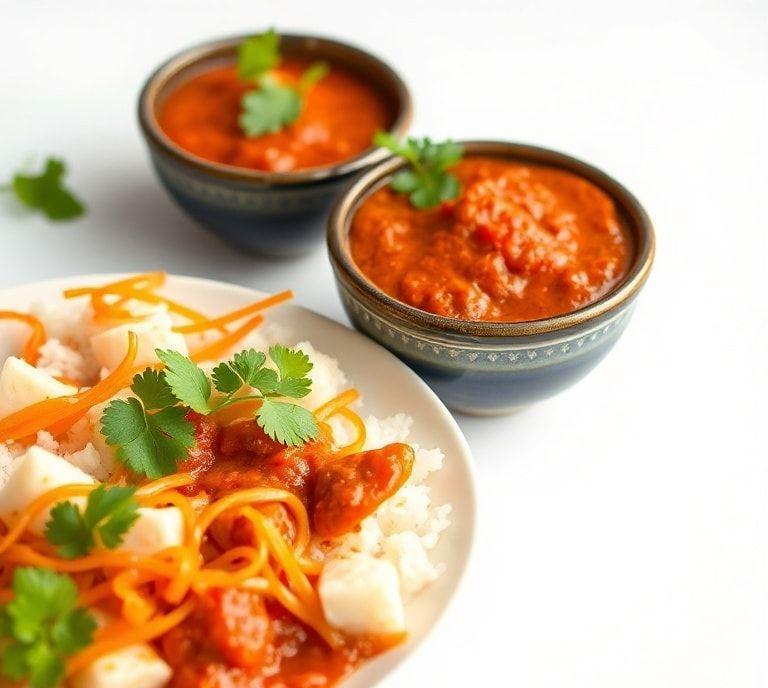
This vegetarian Thai red curry is simple to make yet deeply flavorful. The homemade paste provides all the aromatic depth, while the vegetables and tofu balance out the richness of the coconut milk. You’ll find this recipe gives you the comfort and warmth of traditional Thai curry without compromising on the plant-based essence.
Ingredients Needed
For The Red Curry Paste
- Dried Red Chilies – These bring the heat and the vibrant color to your paste. Choose your chilies depending on how much spice you like. I tend to go for a medium heat, but if you’re a spice lover, feel free to go hotter.
- Lemongrass – A classic in Thai cooking, this fragrant stalk adds a citrusy note that cuts through the richness of the coconut milk. It’s an essential in any curry paste.
- Galangal – Not ginger, though they’re related. Galangal has a sharper, more peppery flavor, and it’s a game-changer in authentic Thai curry.
- Kaffir Lime Leaves – A small but mighty ingredient. These leaves bring a bright, zesty lift to the curry that makes it feel like it’s been made fresh from a Thai market.
- Garlic and Shallots – A perfect foundation for any paste, these add sweetness and depth, setting the stage for the other ingredients.
- Coriander Root – This is optional, but if you can find it, it’s worth it. Coriander root is intensely aromatic and gives the paste its signature flavor.
- Shrimp Paste or Miso (for a vegetarian option) – While shrimp paste is traditional, I often substitute it with white miso for a vegetarian alternative. It adds that savory depth, known in cooking as umami, which rounds out the flavors.
For The Curry
- Coconut Milk – This is your base. It’s rich, creamy, and it soaks up the flavors of the paste beautifully.
- Firm Tofu – It soaks up the curry’s flavor and adds protein to the dish. If you prefer a different protein, feel free to substitute with tempeh or even chickpeas.
- Vegetables – This is where you can get creative. I love using a combination of bell peppers, zucchini, carrots, and sweet potatoes. These veggies hold up well in curry and provide texture, color, and sweetness.
- Fresh Basil – A garnish that completes the dish, basil adds a fresh, aromatic kick at the end. I like to use Thai basil, but sweet basil works just fine.
- Lime Juice – A squeeze of fresh lime at the end brightens everything up and balances the richness.
Cooking Instructions
- Start by making the curry paste: Begin by soaking your dried chilies in warm water for about 15 minutes. Once they’re softened, remove the seeds and roughly chop them. Combine the chilies with the lemongrass, galangal, garlic, shallots, kaffir lime leaves, coriander root, and a touch of water in a blender or food processor. Blend until smooth. If you’re using shrimp paste, add that now and blend again. If you’re opting for miso, add that after blending.
- Cook the curry paste: In a large pot or wok, heat a tablespoon of oil over medium heat. Once it’s hot, add the curry paste and sauté for 2-3 minutes until the aroma of the paste starts to bloom. This step really helps release all the flavors. Be careful not to burn it, though!
- Add coconut milk and simmer: Pour in the coconut milk, stir it into the paste, and let it simmer for about 10 minutes. The paste will infuse the coconut milk, making it fragrant and creamy.
- Cook the tofu and vegetables: While the curry base simmers, press the tofu to remove excess moisture, then cut it into cubes. In a separate pan, sauté the tofu until golden and crispy. Set it aside. Add your chopped vegetables to the curry base, starting with the firmer ones like sweet potatoes and carrots. After 5 minutes, add the softer vegetables like bell peppers and zucchini.
- Combine tofu and veggies: Add the cooked tofu to the curry, stirring gently. Let it all cook together for another 5-7 minutes, allowing the flavors to meld.
- Finish with lime and basil: Remove the curry from heat. Squeeze in fresh lime juice and sprinkle with Thai basil leaves for a burst of freshness.
Ingredient Science Spotlight
Let’s talk about galangal for a minute. Galangal, often confused with ginger, is an integral part of Thai cooking. Its bright, peppery notes create an aromatic heat that’s not overwhelming, but rather soothing. It brings a floral undertone to the paste that no other ingredient can replace. The addition of Kaffir lime leaves is another interesting twist. These leaves contain essential oils that make them incredibly fragrant, and they’re not just there for show. The oils help to cut through the richness of the coconut milk, giving the curry a balance between the creamy and the sharp.
The coconut milk itself is also fascinating-it’s a fantastic emulsifier, meaning it brings together ingredients that would otherwise separate. Its high-fat content helps distribute the curry paste evenly throughout the dish, and the texture it provides is essential to that luxurious, velvety mouthfeel we all crave in a good curry.
Expert Tips
- Balance your heat: If you’re like me and want your curry to have a good punch, be sure to use both dried chilies in the paste and a bit of fresh chili on top for garnish. But if you’re sensitive to spice, adjust the dried chili amount. You can always add a bit of sugar to balance the heat, too.
- Use fresh ingredients: The fresher your ingredients, the more vibrant your curry will taste. Trust me, it makes a difference.
- Crisp your tofu: For texture, crisping the tofu in a separate pan before adding it to the curry makes a huge difference. It adds a bit of bite to the otherwise creamy curry.
Recipe Variations
- Add more protein: Want more protein? Toss in some tempeh, or even chickpeas. I’ve also done this with seitan, and it absorbs the curry beautifully.
- Spicy Peanut Butter Twist: If you’re feeling adventurous, try adding a spoonful of peanut butter to the curry for a creamy, nutty variation.
- Sweet Potato & Pineapple: For a sweet-savory twist, add chunks of pineapple along with sweet potatoes. It’s a flavor explosion.
Final Words
Making your own Thai red curry paste is not just a cooking exercise-it’s a journey. The smells that fill your kitchen, the satisfaction of knowing exactly what went into your dish, and the love that goes into each step make the whole process so much more rewarding. And while there are plenty of shortcuts you can take, trust me when I say there’s something deeply fulfilling about creating this curry from scratch.
FAQs
Can I Make Thai Red Curry Paste Vegetarian?
Yes, Thai red curry paste can be made vegetarian by using plant-based ingredients. Traditional curry paste often contains shrimp paste or fish sauce, which can be substituted with soy sauce, tamari, miso, or fermented bean paste to achieve a similar umami flavor. Ensure that all other components, such as chilies, garlic, lemongrass, galangal, and spices, are plant-based.
What Vegetables Work Best In A Vegetarian Thai Red Curry?
A wide variety of vegetables work well in a vegetarian Thai red curry. Common options include bell peppers, carrots, zucchini, eggplant, broccoli, cauliflower, and snap peas. Leafy greens like spinach or kale can also be added towards the end of cooking. Using a mix of vegetables with different textures and colors enhances both flavor and visual appeal.
How Can I Make My Vegetarian Thai Red Curry Paste More Flavorful?
To boost the flavor of a vegetarian Thai red curry paste, roast or lightly toast the spices before blending, as this releases their natural oils and aroma. Fresh ingredients like garlic, shallots, lemongrass, and galangal add depth. Adding a touch of lime zest or juice at the end enhances freshness, while a small amount of coconut sugar balances the spiciness and acidity. Simmering the paste gently in coconut milk before adding vegetables helps the flavors fully develop.