Buckwheat noodles-also known as soba in Japanese-are one of those dishes that feels simultaneously humble and refined. Growing up, I remember the first time I tried buckwheat noodles. It wasn’t at a fancy restaurant or on some culinary adventure abroad, but at my friend’s grandmother’s house. She was Japanese, and for lunch, she served the most delicious bowl of soba. It wasn’t the kind you find in plastic takeout boxes but something homemade, comforting, and rich in flavor. The taste of buckwheat is subtle but nutty, earthy yet light. There’s something about the chewiness of the noodles paired with simple, fresh ingredients that makes the whole experience feel like a deep connection to nature.
I quickly became obsessed with soba, and over the years, I’ve perfected a vegetarian recipe that makes this dish accessible and satisfying for anyone. This isn’t your average noodle dish-this is a celebration of textures, flavors, and good, wholesome ingredients. Whether you’re a seasoned home cook or a complete beginner, this recipe will give you that same sense of nostalgia and joy that I felt all those years ago at my friend’s grandmother’s house.
Buckwheat Noodles Vegetarian Recipe
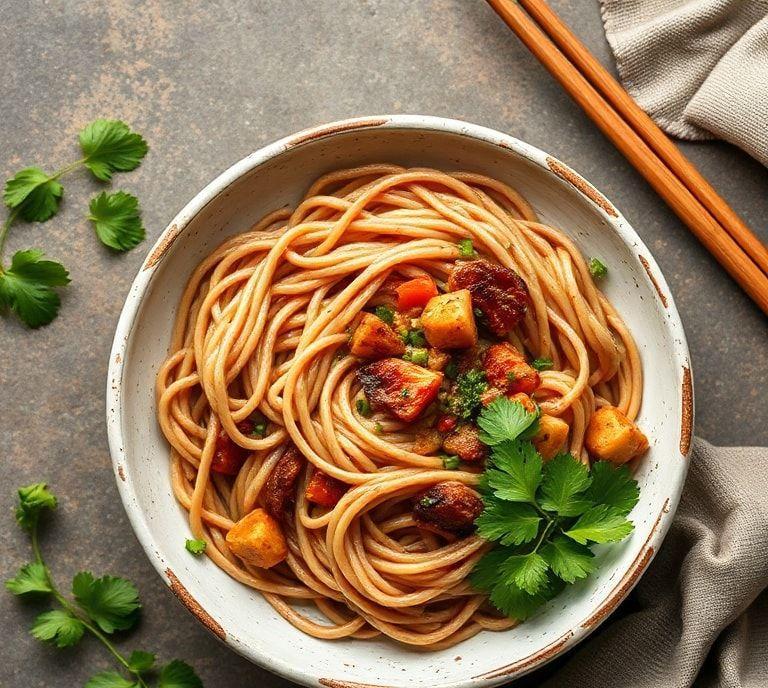
This recipe is straightforward and built around one thing: the buckwheat noodles. I kept the ingredients fresh and simple, allowing the noodles to be the star of the dish. The magic comes from the subtle combinations of flavors-savory, a bit of sweetness, and a dash of acidity. If you’ve ever wondered how to make a delicious vegetarian noodle dish, this one is for you.
Ingredients Needed
- 200g dried soba noodles (100% buckwheat or a blend of buckwheat and wheat flour, depending on what you prefer)
- 2 tablespoons sesame oil (or any neutral oil)
- 1 tablespoon soy sauce (or tamari for a gluten-free version)
- 1 teaspoon rice vinegar
- 1 teaspoon maple syrup (or honey if you’re not vegan)
- 1 small cucumber, julienned
- 1 medium carrot, julienned
- 2-3 green onions, thinly sliced
- A small handful of sesame seeds (optional, but highly recommended)
- Fresh cilantro or basil for garnish
- Optional: A drizzle of chili oil or chili flakes for a bit of heat
Cooking Instructions
-
Cook The Buckwheat Noodles
Start by bringing a large pot of salted water to a boil. Add the soba noodles and cook according to package instructions-usually around 4-6 minutes. Buckwheat noodles cook fast, so don’t overdo it! Once cooked, drain the noodles and rinse them under cold water to stop the cooking process and remove any excess starch. This gives them that perfect, slightly chewy texture that makes soba so enjoyable.
-
Prepare The Vegetables
While the noodles are cooking, prep your vegetables. Peel and julienne the cucumber and carrot (you can also use a vegetable peeler for thin strips). Slice the green onions into thin rounds. You want all these vegetables to have a crisp texture, so they provide a refreshing contrast to the noodles.
-
Assemble The Dish
Once the noodles are ready and well-drained, place them in a large bowl. Drizzle the sesame oil, soy sauce, rice vinegar, and maple syrup over the noodles. Toss everything together gently, making sure the noodles are well-coated with the sauce. Add the julienned vegetables on top, followed by a sprinkle of sesame seeds.
-
Garnish & Serve
For the finishing touch, garnish the dish with fresh herbs like cilantro or basil. If you like a little heat, drizzle some chili oil on top, or add a pinch of chili flakes. Serve immediately or chill the noodles in the fridge for a refreshing cold dish.
Ingredient Science Spotlight
Let’s take a moment to appreciate why buckwheat noodles are so unique, and what makes them stand out nutritionally. Buckwheat, despite the name, is actually not a wheat product, which makes it gluten-free and suitable for those with gluten sensitivities or celiac disease. But beyond its gluten-free nature, buckwheat is a powerhouse of nutrients. It’s packed with essential amino acids, including lysine, which is rare in many grains. This makes it a great source of plant-based protein. Buckwheat also has a high fiber content, which helps with digestion and can keep you feeling full for longer.
In addition to the buckwheat itself, the sesame oil in this recipe provides a dose of healthy fats, especially omega-6 fatty acids. Sesame oil is also loaded with antioxidants, like sesamol, which can help reduce inflammation in the body. And the fresh vegetables? They’re high in vitamins, antioxidants, and fiber, contributing to the dish’s overall nutritional balance.
Expert Tips
-
Don’t Overcook The Noodles
This is a critical step. Overcooking soba noodles makes them soft and mushy, which is not the goal here. Always check the noodles a minute or two before the suggested cooking time to ensure they’re just tender, with a bite to them.
-
Use High-Quality Soy Sauce
Soy sauce is one of the key flavor components of this dish, so it’s worth using a high-quality one. Opt for a naturally brewed soy sauce, which has a more complex, richer flavor compared to the mass-produced versions you often find in supermarkets.
-
Chill For A Cold Dish
If you want to serve this dish as a cold noodle salad, after draining the noodles, rinse them under cold water, then refrigerate for about 30 minutes. The cool noodles absorb the flavors better and give the dish a refreshing touch, perfect for a summer meal.
-
Get Creative With Garnishes
Don’t be afraid to switch up the garnishes. A little grated ginger or a drizzle of wasabi can bring a new depth of flavor. You can also add pickled radishes for an extra punch of acidity or crushed peanuts for some crunch.
Recipe Variations
While this recipe is delicious as is, there are endless ways to customize it. Here are a few ideas to get you started:
-
Add Protein
For a heartier meal, toss in some sautéed tofu, tempeh, or even edamame. Tofu, especially when crispy on the outside, provides a lovely contrast to the soft noodles and vegetables.
-
Add More Veggies
You can’t go wrong with more vegetables! Try adding bell peppers, snap peas, or even some baby spinach to the mix. The more colors you add, the more vibrant the dish will be.
-
Miso Dressing
If you’re craving a richer flavor, a miso-based dressing is a great option. Simply whisk together a tablespoon of miso paste, sesame oil, soy sauce, and a splash of rice vinegar for a deeper umami flavor.
-
Cold Soba Noodle Soup
If you prefer your soba served in a warm broth, you can modify this recipe to make a soba noodle soup. Prepare a light vegetable broth, and add the soba noodles directly to it. Garnish with the same vegetables and herbs, and you’ll have a comforting soup that’s perfect for chilly days.
Final Words
Making buckwheat noodles at home doesn’t have to be complicated. With just a few ingredients and a little care, you can create a dish that’s both comforting and nutritious. Whether you’re eating it hot or cold, as a main or a side dish, this recipe is versatile and easy to adapt to your personal taste. Plus, it’s a great way to introduce more plant-based meals into your diet without sacrificing flavor or satisfaction.
I’ve made this dish countless times, and it’s always a crowd-pleaser. The balance of textures-the tender noodles, crisp vegetables, and the rich sauce-is something you’ll want to return to again and again. And let’s not forget the joy of cooking something so simple, yet so satisfying.
FAQs
Are Buckwheat Noodles Gluten-free?
Buckwheat noodles are often gluten-free, but it depends on the brand and whether the noodles contain any wheat flour. Pure buckwheat noodles, known as soba in Japan, are made entirely from buckwheat flour and are safe for those avoiding gluten. Always check the packaging to confirm that the noodles are 100% buckwheat if you require a gluten-free diet.
What Are Some Vegetarian Ingredients That Pair Well With Buckwheat Noodles?
Buckwheat noodles have a nutty flavor and firm texture that pairs well with a variety of vegetarian ingredients. Popular options include tofu, mushrooms, bok choy, spinach, bell peppers, carrots, and green onions. For sauces, you can use soy sauce, sesame oil, miso paste, or peanut sauce to enhance flavor while keeping the dish vegetarian.
How Do I Cook Buckwheat Noodles Without Them Becoming Mushy?
To prevent buckwheat noodles from becoming mushy, bring a large pot of water to a rapid boil and cook the noodles for the time specified on the package, usually 4-6 minutes. Stir occasionally to prevent sticking. Once cooked, immediately drain the noodles and rinse them under cold water to stop the cooking process and preserve their firm texture. Tossing them with a small amount of sesame oil can also help prevent clumping.