
I first encountered Moroccan Harira soup during a trip to Marrakech, where I was lucky enough to share a meal with a local family during Ramadan. They made the soup to break their fast, and it was like nothing I’d ever tasted before. Rich, hearty, and full of complex flavors, it was both comforting and invigorating at the same time. I’ve been in love with this dish ever since, and over the years, I’ve adapted it into a vegetarian version that packs all the flavor without the meat. Whether you’re looking to warm up on a chilly evening or want something nourishing and full of life, this Moroccan Harira soup is the answer. It’s like a bowl of Morocco itself, filled with spices, warmth, and heart.
Moroccan Harira Soup Vegetarian Recipe
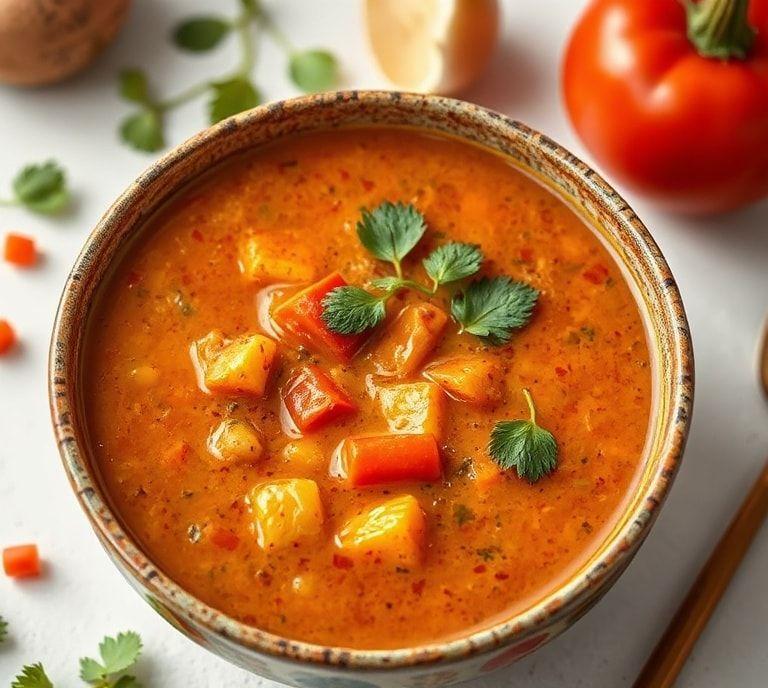
The heart of Harira lies in its deep, flavorful broth, a combination of tomatoes, legumes, and an array of fragrant spices. Traditionally, Harira is made with lamb or beef, but today we’re going the plant-based route, swapping in chickpeas and lentils to create a soup that’s just as satisfying. Every spoonful feels like an embrace, rich with the warmth of cumin, coriander, and turmeric, yet brightened by fresh herbs like cilantro and parsley. This vegetarian version is not only incredibly tasty but also filling and nourishing-a real feast for both the body and the soul.
Ingredients Needed
For this recipe, I recommend using fresh, high-quality ingredients-this really makes a difference in the flavor and texture of the soup. Here’s what you’ll need:
- Olive oil: 2 tablespoons
- Onion: 1 large, finely chopped
- Celery: 2 stalks, diced
- Carrot: 1 medium, diced
- Garlic: 3 cloves, minced
- Tomatoes: 4 ripe, blended or grated (or use canned crushed tomatoes as a shortcut)
- Tomato paste: 2 tablespoons
- Chickpeas: 1 cup (soaked overnight, or use canned for convenience)
- Lentils: 1/2 cup, preferably split red lentils
- Cilantro: 1/2 cup, chopped (reserve some for garnish)
- Parsley: 1/2 cup, chopped (also for garnish)
- Turmeric: 1 teaspoon
- Ground cumin: 1 teaspoon
- Ground coriander: 1 teaspoon
- Ground cinnamon: 1/2 teaspoon
- Saffron (optional, but highly recommended): A pinch
- Salt: To taste
- Black pepper: To taste
- Lemon juice: From one lemon
- Vegetable broth or water: 6 cups
- Rice or fine pasta (optional): 1/4 cup (adds a nice texture)
- Flour (optional for thickening): 2 tablespoons, mixed with a little water to form a slurry
Cooking Instructions
- Prepare the base: Start by heating the olive oil in a large pot over medium heat. Add the chopped onion, celery, and carrot, and sauté for about 7-8 minutes, or until they begin to soften and become aromatic. The scent of sizzling vegetables in oil is one of those small pleasures that always signals that something good is coming.
- Garlic and spices: Add the minced garlic, cumin, coriander, turmeric, cinnamon, and saffron (if using) to the pot. Stir for about 1-2 minutes until the garlic softens and the spices bloom. The kitchen will begin to smell amazing, and that’s your signal that the magic is happening.
- Tomatoes and tomato paste: Stir in the grated or blended tomatoes and tomato paste. This step helps create a rich base for the soup and gives it that signature Moroccan flavor. Let it cook for about 5 minutes, allowing the tomatoes to break down and become part of the broth.
- Legumes and broth: Add the soaked chickpeas, lentils, and vegetable broth (or water). Bring everything to a boil, then reduce the heat to low. Let it simmer for 45 minutes to an hour, or until the chickpeas and lentils are tender. The soup will thicken as it cooks, so keep an eye on the consistency. If you like a thicker soup, you can mash some of the chickpeas with the back of a spoon.
- Rice or pasta (optional): If you’re adding rice or pasta, throw it in about 10 minutes before the soup is finished cooking. This is a nice touch if you want a heartier dish, and the rice or pasta will absorb the flavors of the broth.
- Final touches: Once the soup is done, stir in the chopped cilantro, parsley, and lemon juice. Taste the soup and adjust the seasoning with salt and pepper. If you’d like it thicker, you can mix the flour with water and stir it into the soup to create a silky consistency.
- Serve and enjoy: Ladle the soup into bowls, garnish with more fresh herbs, and a squeeze of lemon juice. Pair it with crusty bread, or serve it alongside a Moroccan salad. The soup should be rich, hearty, and full of flavor-a perfect balance of spice and freshness.
Ingredient Science Spotlight
Each ingredient in this soup plays a role, not just in flavor, but also in texture and nutrition.
- Chickpeas: They are packed with protein, fiber, and iron, making them a great meat substitute. When they cook in the broth, they add a creamy texture, enriching the soup without the need for cream.
- Lentils: These tiny legumes are full of fiber, protein, and B-vitamins, making them a great complement to chickpeas. They also break down into a soft, almost silky texture when cooked, creating a wonderful consistency in the soup.
- Cilantro and Parsley: Fresh herbs add brightness, cutting through the richness of the soup and providing a burst of flavor with every bite. Cilantro is also known for its detoxifying properties, while parsley is rich in vitamins A, C, and K.
- Saffron: While optional, saffron is what truly elevates this dish. It adds an earthy, floral note that makes the soup feel luxurious, plus it’s packed with antioxidants.
Expert Tips
- Make ahead: This soup tastes even better the next day. The flavors meld together, and the soup becomes more flavorful as it sits. If you have time, let it rest overnight in the fridge.
- Use a slow cooker: If you’re short on time, this soup can also be made in a slow cooker. Simply add all the ingredients (except for the fresh herbs and lemon juice) and cook on low for 6-8 hours. It’ll still be delicious and incredibly easy.
- Spice adjustments: The beauty of this soup is in its spices, but don’t be afraid to tweak them to suit your palate. Add more cinnamon for warmth, or a pinch of cayenne if you like heat.
- Serve with bread: Moroccan Harira is often eaten with a thick, crusty bread that’s perfect for dipping. If you don’t have Moroccan bread, any rustic bread will do, but try to find something dense enough to soak up the broth.
Recipe Variations
- Add more veggies: Feel free to throw in other vegetables like zucchini, potatoes, or bell peppers to increase the soup’s nutritional value and texture.
- Top with yogurt: If you eat dairy, a spoonful of plain yogurt or a drizzle of sour cream can be a refreshing contrast to the richness of the soup.
- Spicy twist: Add a chopped fresh chili or a teaspoon of harissa paste to bring an extra kick to the soup. Harira has a lot of room for spice, so experiment based on your preferences.
- Add dried fruit: For a sweet and savory variation, some people like to add dates or raisins to the soup. This adds a touch of sweetness that balances the spices, creating a complex flavor profile.
Final Words
Making Moroccan Harira soup is like crafting a work of art-layering flavors, balancing textures, and building richness with every step. The beauty of this soup is in its versatility, as it can be adjusted to your taste and dietary preferences while still capturing the essence of Morocco. It’s a dish that tells a story, whether it’s served to break a fast, as part of a celebration, or simply to warm up on a cold evening.
FAQs
What Are The Main Ingredients In A Vegetarian Moroccan Harira Soup?
The main ingredients in a vegetarian Moroccan Harira soup include tomatoes, lentils, chickpeas, onions, celery, parsley, cilantro, and a blend of aromatic spices such as cumin, ginger, turmeric, cinnamon, and black pepper. It’s typically served with a side of lemon wedges and dates to enhance the flavors.
Can I Use A Slow Cooker To Make Vegetarian Moroccan Harira Soup?
Yes, you can make vegetarian Moroccan Harira soup in a slow cooker. Simply add all the ingredients (such as lentils, chickpeas, tomatoes, vegetables, and spices) to the slow cooker and cook on low for 6-8 hours, or on high for 3-4 hours, until the lentils and chickpeas are tender. If the soup is too thick, you can add additional vegetable broth or water to reach your desired consistency.
Is It Necessary To Add Flour To Thicken Vegetarian Moroccan Harira Soup?
Traditional Moroccan Harira soup is often thickened with a flour mixture, but in a vegetarian recipe, you can opt to skip this or substitute with alternatives. If you prefer a gluten-free version, you can use cornstarch or arrowroot powder as a thickening agent. Alternatively, some people blend a portion of the soup once cooked to create a thicker consistency without the need for flour.