I’ve always had a soft spot for a hearty, comforting bowl of soup. And if I had to choose one that’s been a constant in my life, it would be Laksa. This is a dish that takes me back to the days when I first discovered the magic of Southeast Asian cuisine. The combination of creamy coconut milk, spicy broth, and tender noodles… it’s more than just food, it’s an experience. But when I decided to go vegetarian, I wondered if I could still capture that same complexity and flavor. It turns out, I could-and with so much richness that you won’t even miss the traditional meat-based version.
If you’ve never heard of Laksa, it’s a beloved noodle soup from the streets of Singapore, Malaysia, and even parts of Indonesia. Traditionally, it’s made with fish, shrimp, or chicken, but today, I’m going to share with you a version that’s entirely vegetarian. Think of it as a comforting, spicy hug in a bowl, with all the familiar elements of the classic, but with a plant-based twist.
Laksa Soup Vegetarian Recipe
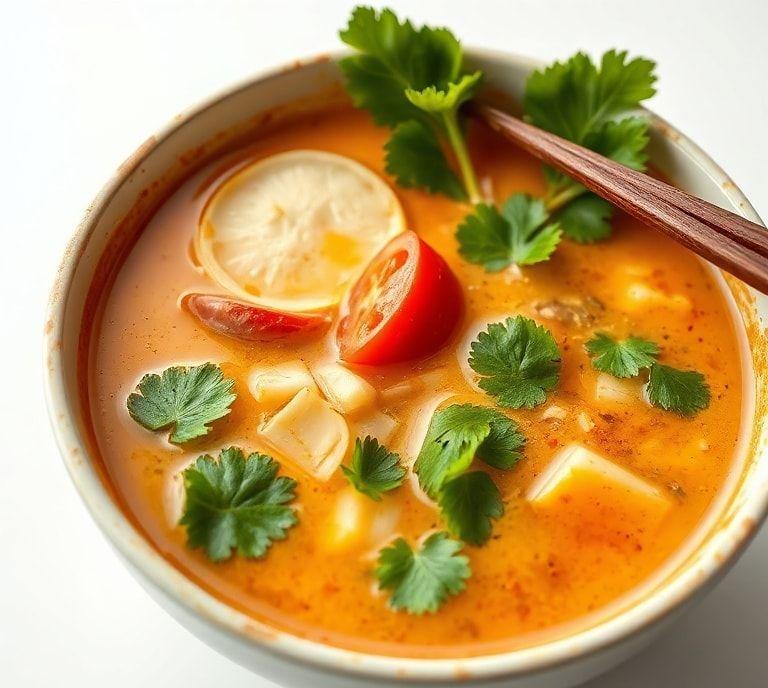
So here’s the thing about Laksa: it’s one of those dishes that sounds a lot more complicated than it really is. With the right ingredients and a little patience, you can make this vegetarian version at home. And believe me, it’s worth the effort. Whether you’re a seasoned cook or a newbie in the kitchen, you’ll find yourself coming back to this recipe time and time again.
Here’s my take on it:
Ingredients Needed
-
For The Soup Base
- 2 tablespoons vegetable oil
- 2 stalks lemongrass (lightly smashed)
- 3-4 kaffir lime leaves (or 1 tablespoon of lime zest as a substitute)
- 1 tablespoon ginger (finely chopped or grated)
- 3 cloves garlic (minced)
- 2 tablespoons red curry paste (make sure it’s vegetarian-friendly!)
- 1 can coconut milk (about 400ml)
- 2 cups vegetable broth
- 1 tablespoon soy sauce (or tamari for a gluten-free version)
- 1 tablespoon brown sugar (optional, but it helps balance the flavors)
- 1 teaspoon turmeric (for color and warmth)
- 1 tablespoon chili paste (adjust based on your spice tolerance)
-
For The Toppings
- 2 cups of cooked rice noodles (or any noodles you prefer)
- 1 cup of fresh tofu (lightly pan-fried)
- 1 small cucumber (sliced thinly)
- Fresh herbs like cilantro and mint (chopped)
- 1 boiled egg (optional)
- A squeeze of fresh lime juice
- Crushed peanuts for garnish
- Fresh bean sprouts (for crunch)
Cooking Instructions
-
Start With The Aromatics
Heat the vegetable oil in a large pot over medium heat. Once the oil is hot, add the lemongrass, kaffir lime leaves, ginger, and garlic. You’ll want to let these cook for about 2 minutes, just long enough for the aromas to fill your kitchen and get your taste buds excited.
-
Build The Base
Stir in the red curry paste, turmeric, and chili paste. You’ll notice the vibrant red color starting to develop. Keep stirring for another minute so the spices bloom and everything is well-incorporated.
-
Simmer The Broth
Pour in the coconut milk and vegetable broth, then add the soy sauce and brown sugar. Stir well, and let the mixture come to a simmer. You want this to cook for about 10 minutes to really develop the depth of flavor.
-
Prepare The Toppings
While the broth is simmering, cook your noodles according to the package instructions. I usually like to keep mine a bit al dente so they hold up well in the soup. If you’re using tofu, pan-fry it until golden and crispy on the outside. You can also prep your cucumber, herbs, egg, and bean sprouts at this stage.
-
Assemble The Laksa
Once the broth has simmered and is full of flavor, it’s time to put everything together. Place your noodles in a bowl, ladle the broth over the top, then arrange your tofu, cucumber, herbs, and other toppings. Don’t forget the squeeze of lime and a handful of crushed peanuts for that crunchy contrast!
-
Enjoy
Take a moment to appreciate the visual beauty of your bowl before digging in. The colors, the aroma-this dish is as much about the senses as it is about flavor.
Ingredient Science Spotlight
Now, if you’re anything like me, you may occasionally find yourself wondering: Why does Laksa taste so special? It’s all about the marriage of flavors and the interplay of different ingredients. Let’s break down some of the science behind this dish:
- Coconut Milk: The creamy texture of coconut milk is key to Laksa’s rich, luxurious broth. The fats in coconut milk give the soup a smooth mouthfeel, balancing the heat from the chili paste and the brightness from the lime. The natural sweetness of coconut also helps mellow out the more intense flavors in the broth.
- Lemongrass & Kaffir Lime Leaves: These two ingredients are what make Laksa stand out in terms of fragrance. Lemongrass adds a citrusy, slightly herbal note, while kaffir lime leaves contribute a sharp, tangy aroma. Both are staples in Southeast Asian cooking, adding freshness and complexity to any dish.
- Soy Sauce & Brown Sugar: The soy sauce brings umami (that rich, savory flavor), while the brown sugar adds a subtle sweetness. It’s that perfect balance of salty and sweet that makes every spoonful of soup a delight.
Expert Tips
- Get the right noodles: Rice noodles are traditional, but feel free to experiment with other types of noodles like soba or even zucchini noodles for a low-carb twist.
- Spice it to your liking: If you’re sensitive to heat, start with less chili paste and gradually add more to taste. Laksa should have a bit of a kick, but it shouldn’t overwhelm the other flavors.
- Make it ahead: The soup base actually tastes even better the next day. If you have leftovers, store the broth and noodles separately. Just reheat the broth and freshen it up with a squeeze of lime before serving.
- For extra texture: Consider adding crispy shallots or fried garlic on top to elevate the crunch factor.
Recipe Variations
- Mushroom Laksa: If you want to add more depth and umami, consider swapping tofu for mushrooms like shiitake or oyster mushrooms. Their meaty texture absorbs the flavors of the broth beautifully.
- Sweet Potato Laksa: For a heartier, more filling version, add cubed sweet potatoes. They’ll soak up the broth and add a slightly sweet contrast to the spices.
- Thai-inspired Laksa: If you prefer a tangier, more herbal twist, try adding some fresh Thai basil to your soup. You can also use lime leaves in place of kaffir lime leaves for a different flavor profile.
Final Words
Making Laksa at home, especially a vegetarian version, is like creating a mini celebration in your own kitchen. The richness of the coconut milk, the spice from the curry paste, the fragrance of fresh herbs, and that lovely crunch from the peanuts… it’s a dish that satisfies all of the senses. And the beauty of it is that you can adjust it however you like. Whether you’re in the mood for something spicier, or you want a bit more texture, this recipe gives you plenty of room to make it your own.
FAQs
What Are The Essential Ingredients For A Vegetarian Laksa Soup?
A vegetarian laksa soup typically requires ingredients that provide a rich, flavorful base without animal products. Essential ingredients include coconut milk for creaminess, vegetable broth, laksa paste (check for a vegetarian version), tofu or tempeh for protein, and a variety of vegetables such as bean sprouts, carrots, and bell peppers. Fresh herbs like cilantro and Thai basil, along with lime juice, add aroma and brightness. Optional ingredients like mushrooms or seaweed can enhance umami flavor.
Can I Make Laksa Soup Vegetarian Without Using Store-bought Laksa Paste?
Yes, you can make a vegetarian laksa soup from scratch without store-bought paste. A homemade paste typically combines ingredients such as dried chilies, fresh red chilies, garlic, shallots, lemongrass, galangal, turmeric, coriander, and cumin. These are blended into a smooth paste and sautéed in oil before adding coconut milk and vegetable broth. Making your own paste allows you to control spiciness, saltiness, and ensure no fish or shrimp pastes are included, keeping it fully vegetarian.
What Are Some Tips To Enhance The Flavor Of Vegetarian Laksa Soup?
To enhance the flavor of vegetarian laksa soup, consider these tips: toast your spices before blending to release their aroma; use a mix of vegetables and mushrooms for richer umami; simmer the soup gently to allow flavors to meld; add tamarind or lime juice for acidity; and finish with fresh herbs like cilantro, Thai basil, or mint. Adding a splash of soy sauce or vegetarian fish sauce can also deepen the savory taste without using animal products.