There’s something almost magical about the way food can transport you-not just to distant places, but to memories, to moments shared, or simply to a sense of comfort. And one dish that’s quietly become a staple in my kitchen over the years is asparagus. Now, asparagus might not always steal the spotlight in the produce aisle, but let me tell you, when prepared right, it’s nothing short of a showstopper.
Growing up, my family didn’t always prioritize vegetables in the same way we might prioritize a good steak or fresh-baked bread. But asparagus? That was something special. There was this one dish my mom would make-a simple sauté with garlic, a touch of olive oil, and a sprinkle of lemon zest. It’s the kind of dish that, years later, still brings back memories of Sunday dinners, the sound of the clinking silverware, and the laughter of my siblings.
And so, in a small way, this asparagus recipe carries a lot of personal history for me. But it’s also a dish that I find perfectly suited for modern palates, especially for those who lean toward a more plant-forward approach to eating. It’s vibrant, light, and just feels like spring on a plate. Whether you’re a committed vegetarian or simply looking to add more greens to your plate, this asparagus recipe has everything you need.
Asparagus Vegetarian Recipe
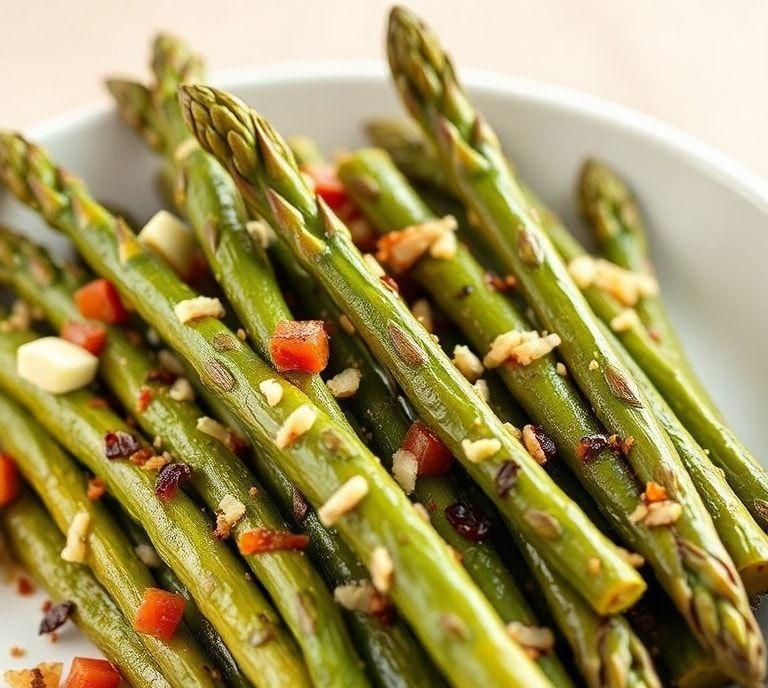
This asparagus recipe is designed to highlight the vegetable in its purest form: tender, yet crisp, with the right balance of flavor. It’s a simple dish that requires very few ingredients but offers a big punch in terms of taste. If you’ve never thought of asparagus as more than just a side dish, this recipe might just change your perspective.
The beauty of this recipe lies in the fact that it’s versatile-perfect as a side or as a main event, especially for those who are vegetarian or vegan. The pairing of roasted asparagus with garlic, lemon, and a handful of seasonings brings out the best of the vegetable while keeping things fresh and light.
Ingredients Needed
Before we dive into the cooking process, let’s gather our ingredients. I love recipes that don’t require too many special items. That’s part of the magic-using simple, wholesome ingredients that work harmoniously together.
Ingredients
- 1 bunch of fresh asparagus (about 12-15 spears)
- 2 tablespoons of extra virgin olive oil
- 3 cloves of garlic, minced (or more if you’re a garlic lover like me)
- 1 tablespoon of fresh lemon juice (I always recommend fresh over bottled!)
- Zest from half a lemon
- 1 teaspoon of salt (or to taste)
- ½ teaspoon of black pepper
- 1 tablespoon of balsamic vinegar (optional, but a lovely touch)
- A pinch of red pepper flakes (optional, for a bit of heat)
- Fresh herbs for garnish (like parsley or thyme)
It’s worth noting the freshness of your asparagus makes a huge difference in the final outcome. Look for firm, straight spears with tight, compact tips. Wilted, rubbery asparagus? Not so much.
Cooking Instructions
Now, onto the fun part-cooking! This recipe is incredibly simple and only takes about 15 minutes from start to finish. Here’s how I do it:
- Preheat your oven to 400°F (200°C). A hot oven will help you get those beautiful, slightly crispy edges on your asparagus.
- Prepare the asparagus by snapping off the woody ends. You can do this by simply bending the stalk until it breaks-this will ensure you’re only working with the tender parts. Once you’ve trimmed the ends, lay the asparagus on a baking sheet.
- Season the asparagus with olive oil, salt, pepper, and the minced garlic. Toss it all together so each spear is nicely coated. I love how the garlic smells as it roasts-it’s earthy and fragrant, creating a base of flavor that really complements the asparagus.
- Roast in the oven for about 12-15 minutes, depending on how thick your spears are. You want the asparagus to be tender with some crispy bits on the edges, but not overcooked and mushy.
- Finish with a squeeze of lemon juice, lemon zest, and balsamic vinegar (if using). The lemon adds a burst of freshness, while the balsamic vinegar brings in just the right amount of acidity and sweetness.
- Garnish with fresh herbs. A few sprigs of parsley or thyme give the dish an aromatic touch and a pop of color.
Ingredient Science Spotlight
Asparagus might seem like one of those unassuming vegetables, but its health benefits are worth spotlighting. Packed with vitamins A, C, E, and K, asparagus is a nutritional powerhouse. It’s also rich in fiber and low in calories, which makes it a perfect addition to any diet-whether you’re aiming to manage your weight or simply nourish your body with the best possible foods.
But the most fascinating thing about asparagus? The amino acid called asparagine. This is the compound responsible for its unique, sometimes "earthy," flavor. Asparagine plays a role in detoxifying the body, and it’s also a natural diuretic, which means it helps promote healthy kidney function and fluid balance.
If you’ve ever noticed the… interesting effect asparagus has on the scent of your urine, that’s due to sulfur compounds released during digestion. It’s a quirky little side effect of the vegetable’s natural chemistry-but totally harmless!
Expert Tips
Cooking asparagus is incredibly simple, but there are a few things that can elevate the dish:
- Don’t overcrowd the pan: When you roast asparagus, make sure the spears have enough room to breathe. Overcrowding leads to steaming rather than roasting, and you’ll miss out on that lovely caramelization that makes this dish shine.
- Use fresh garlic, not garlic powder: The aroma and flavor of fresh garlic are incomparable to the dried powder version. If you’re a garlic fan, don’t be shy-use a generous amount!
- Try adding a handful of grated parmesan: For those who eat dairy, a sprinkle of parmesan just before serving adds a savory, umami kick.
- Adjust cooking time for thicker stalks: If your asparagus spears are particularly thick, you might want to extend the roasting time by a couple of minutes to ensure they’re tender all the way through.
- Add some nuts: Pine nuts or slivered almonds toasted lightly in a pan can bring an added crunch and flavor contrast to the tender asparagus.
Recipe Variations
While I absolutely love the simplicity of this recipe, it’s easily adaptable depending on what flavors you’re craving:
- Vegan Version: Skip the parmesan and use nutritional yeast for a cheesy flavor, or drizzle the asparagus with tahini for a creamy, nutty twist.
- Herb-Infused: If you have access to fresh herbs, like rosemary, thyme, or basil, toss them in along with the asparagus before roasting. They infuse the dish with aromatic oils.
- Asparagus with a Mediterranean flair: Add Kalamata olives, sun-dried tomatoes, and feta cheese for a rich, Mediterranean-inspired version.
Final Words
Asparagus is one of those vegetables that, when treated with a little love and respect, becomes something extraordinary. It’s tender yet hearty, and it pairs perfectly with a variety of other ingredients, from citrus to cheese, from nuts to fresh herbs. This recipe is one of those that I keep coming back to because it’s simple, quick, and just so flavorful. Plus, it’s the kind of dish that’s bound to make people ask, ’What”s your secret”? when in reality, it’s all about letting the ingredients shine.
FAQs
What Are Some Simple Vegetarian Recipes Using Asparagus?
A simple vegetarian recipe using asparagus includes a basic sautéed asparagus dish. To prepare, trim the asparagus and sauté it with olive oil, garlic, salt, and pepper. For added flavor, you can sprinkle lemon juice or zest, or even parmesan cheese. Alternatively, asparagus can be used in salads, such as combining it with arugula, cherry tomatoes, and a balsamic vinaigrette dressing.
Can I Incorporate Asparagus Into Pasta Dishes For A Vegetarian Meal?
Yes, asparagus can be a fantastic addition to vegetarian pasta dishes. You can roast or sauté asparagus and toss it with pasta, olive oil, garlic, and fresh herbs like basil or parsley. Adding some crumbled feta cheese or a handful of pine nuts can enhance the flavor and texture. A lemon-garlic butter sauce also pairs wonderfully with pasta and asparagus.
How Do I Prepare Asparagus For A Vegetarian Stir-fry?
To prepare asparagus for a vegetarian stir-fry, start by cutting the asparagus into bite-sized pieces. Heat a wok or large pan over medium-high heat and add vegetable oil. Sauté the asparagus along with other vegetables such as bell peppers, carrots, and mushrooms. Add soy sauce, garlic, and ginger for flavor. You can also finish the dish with a sprinkle of sesame seeds or chopped green onions for extra texture and taste.