There’s something undeniably comforting about the rich, earthy flavor of beet soup-especially when it’s prepared the way nature intended: fresh, vibrant, and entirely plant-based. If you’ve never tried beet soup before, you’re in for a treat. It’s one of those dishes that not only satisfies your taste buds but nourishes your body, too. The deep red color of beets has a certain magic, turning your bowl into a work of art. Plus, the hearty, smooth texture combined with the slightly sweet, savory undertones of the beets creates an unforgettable experience.
I first stumbled upon beet soup when a friend from Eastern Europe introduced me to it. I had always thought of beets as just a side dish or a salad component, but when I tasted this beet soup for the first time, it was like a whole new world opened up. The flavor was bold, yet comforting, and I could feel the nutrients working their way through me. From that moment on, I was hooked-and it’s been a staple in my kitchen ever since.
The best part about beet soup is that it’s incredibly simple to make, especially when you’re following a vegetarian recipe. Whether you’re looking for a light lunch or a filling dinner, beet soup checks all the boxes.
Beet Soup Vegetarian Recipe
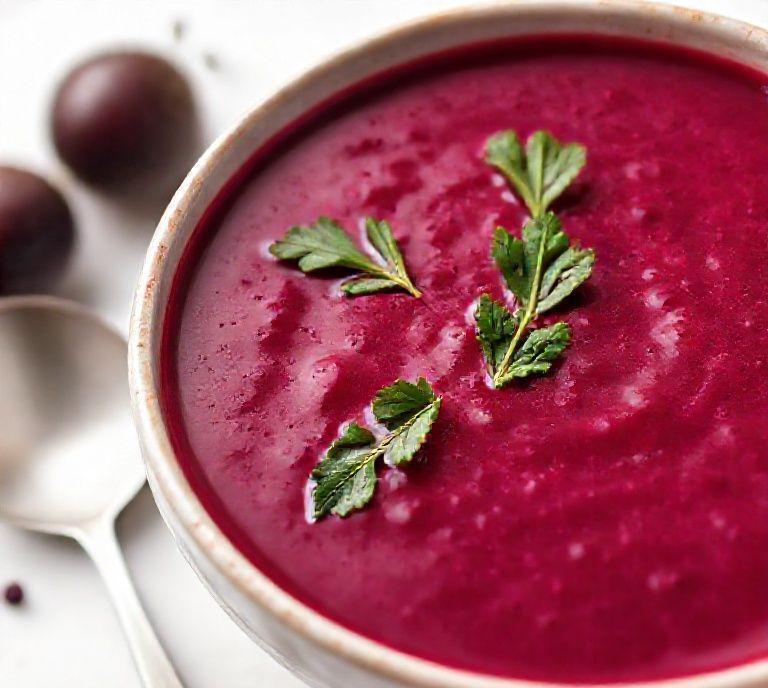
The beauty of a vegetarian beet soup is in its simplicity. By focusing on fresh ingredients and the natural flavor of the beets, you don’t need a ton of extras to make the dish shine. It’s also incredibly customizable, allowing you to experiment with herbs and spices until you find your perfect balance. Here’s how I make it:
Ingredients Needed
- 4 medium-sized beets, peeled and chopped into cubes
- 1 large onion, finely chopped
- 2 cloves garlic, minced
- 1 tablespoon olive oil (or your preferred cooking oil)
- 4 cups vegetable broth (for extra richness, you can use a homemade broth if you have it on hand)
- 1 large carrot, peeled and chopped
- 1 large potato, peeled and diced (for added creaminess)
- 1 tablespoon fresh lemon juice (this brightens the flavor)
- 1 bay leaf
- Salt and pepper to taste
- Fresh dill for garnish (optional, but adds a lovely contrast to the sweetness of the beets)
Cooking Instructions
- Prepare the Beets: Start by peeling and chopping the beets into small cubes. Beets stain, so it’s a good idea to wear gloves or use an apron to avoid purple hands.
- Sauté the Base: In a large pot, heat the olive oil over medium heat. Add the chopped onion and garlic, sautéing them for about 5-7 minutes until they become soft and translucent. This step is key to developing a deep, flavorful base for the soup.
- Add the Vegetables: Once the onions and garlic are fragrant, add the beets, carrots, and potato to the pot. Stir everything together for about 2-3 minutes to allow the flavors to combine.
- Simmer: Pour in the vegetable broth and add the bay leaf. Bring the mixture to a boil, then lower the heat and let it simmer, uncovered, for 45-60 minutes, or until the beets are tender and the vegetables have softened.
- Blend the Soup: Once everything is fully cooked, remove the bay leaf. Use an immersion blender to blend the soup until smooth. If you prefer a chunkier texture, you can blend it partially or mash the vegetables with a potato masher for a more rustic feel.
- Add the Finishing Touches: Stir in the lemon juice, salt, and pepper to taste. I recommend adding a little extra salt here, as the beets can sometimes be a bit sweet, and the salt helps balance that out. Taste the soup and adjust seasoning as needed.
- Serve and Garnish: Ladle the soup into bowls, and garnish with fresh dill or even a dollop of sour cream or yogurt if you’re feeling indulgent.
Ingredient Science Spotlight
Let’s take a deeper dive into some of the star ingredients in this soup and why they’re so fantastic for you. First up, beets. Beets are a powerhouse of nutrients, especially rich in folate, potassium, and antioxidants. The deep color of the beetroot comes from betalains, which have been shown to have anti-inflammatory properties. Plus, beets are great for heart health-they help lower blood pressure due to their natural nitrate content, which improves blood flow.
The carrots in the soup bring a natural sweetness and are a fantastic source of beta-carotene, which is essential for maintaining healthy skin and vision. The potatoes, while providing creaminess and texture, are also a good source of vitamin C and fiber, which supports digestion.
Lastly, the vegetable broth acts as the perfect canvas to blend all of these flavors together. When made from scratch, vegetable broth provides additional minerals and vitamins, depending on what vegetables and herbs you use.
Expert Tips
- Roast the Beets: If you want to deepen the flavor of your soup, try roasting the beets instead of boiling them. Simply wrap the beets in foil and roast them at 400°F for about an hour. Once they’re cooked, peel the skin off and chop them up. This method will give the beets a more intense, caramelized flavor that adds richness to your soup.
- Add Some Heat: If you like a little spice, you can add a pinch of cayenne pepper or a small diced chili when you sauté the onions and garlic. The heat will complement the natural sweetness of the beets beautifully.
- Use a Variety of Broths: If you’re not keen on vegetable broth, you could also use mushroom broth or a miso broth for a more umami-rich base.
- Make it a Meal: Want to turn this soup into a more filling meal? Try adding cooked quinoa or rice to the soup, which will not only make it more substantial but also provide additional texture.
Recipe Variations
While the classic beet soup is already a winner, there are plenty of ways to play around with the recipe to suit your tastes:
- Add Apple: For a sweet and tangy twist, try adding a peeled and chopped apple to the soup along with the beets. The natural sweetness from the apple pairs perfectly with the earthy flavor of the beets.
- Creamy Version: If you prefer a creamier texture, add a cup of coconut milk or cashew cream towards the end of the cooking process. This will give the soup a velvety finish that’s both rich and satisfying.
- Herb Variations: While dill is the traditional herb used, you could also try using fresh thyme, rosemary, or even tarragon to bring different flavors to the soup.
Final Words
Beet soup is not just about flavor-it’s about celebrating what’s good for you in a delicious way. It’s nourishing, it’s comforting, and it’s the kind of dish that warms you up from the inside out. Whether you’re enjoying it on a cold winter’s day or as a vibrant spring meal, it brings something special to the table.
And don’t forget the versatility of this soup! The ingredients can be adjusted to suit whatever you have on hand, and there’s no one right way to prepare it. Each time you make it, you’ll discover new ways to enhance the flavor, making it uniquely yours.
FAQs
What Ingredients Do I Need For A Vegetarian Beet Soup Recipe?
To make a basic vegetarian beet soup, you will need the following ingredients: fresh beets (usually 4-5 medium-sized), vegetable broth (4-5 cups), onion (1 large), garlic (2-3 cloves), carrots (2 medium), celery (1 stalk), olive oil (2 tablespoons), salt and pepper to taste, fresh dill (optional), and lemon juice or vinegar for a touch of acidity. Optional additions include potatoes for a creamier texture or ginger for added warmth.
How Do I Prepare The Beets For The Vegetarian Soup?
To prepare the beets, first peel them using a vegetable peeler or by boiling them and then rubbing off the skins once cooled. Once peeled, you can either grate them for a finer texture or chop them into small cubes. If you want to intensify the flavor, roasting the beets before adding them to the soup can provide a richer taste. Be sure to wear gloves when handling beets to avoid staining your hands.
Can I Make Beet Soup Vegetarian Recipe Vegan-friendly?
Yes, you can easily make a beet soup recipe vegan-friendly by substituting vegetable broth for any non-vegan broths, using olive oil instead of butter, and avoiding any dairy-based toppings such as sour cream or cheese. You can also use coconut cream or a dairy-free yogurt for a creamy texture if desired. For a rich flavor, consider adding a bit of nutritional yeast or vegan-friendly sour cream as a garnish.