There’s something incredibly comforting about a rich, slow-cooked sauce, the kind that fills the kitchen with its savory scent and promises of hearty warmth in every bite. Now, imagine that same experience, but with a vegetarian twist-a Bolognese sauce made from fresh, plant-based ingredients that still carries all the soul-satisfying depth of flavor we love from the traditional version.
I first tried making a vegetarian Bolognese when I was on a long weekend getaway in Italy with a few friends. It was a rainy afternoon, and we were huddled inside a cozy kitchen, trying to make a meal that was hearty enough to warm us from the inside out. A local chef suggested we try a vegetarian take on the famous ragù, and I was skeptical at first-how could a dish so beloved for its meaty richness work without any meat at all?
But after the first bite, I was hooked. The vegetables-particularly the mushrooms and lentils-gave the sauce that deep, savory quality I’d always associated with meat. Ever since, I’ve experimented with making different versions of this dish, each time adding a new twist. Now, I’m excited to share one of my favorite takes on this recipe with you.
Bolognese Vegetarian Recipe
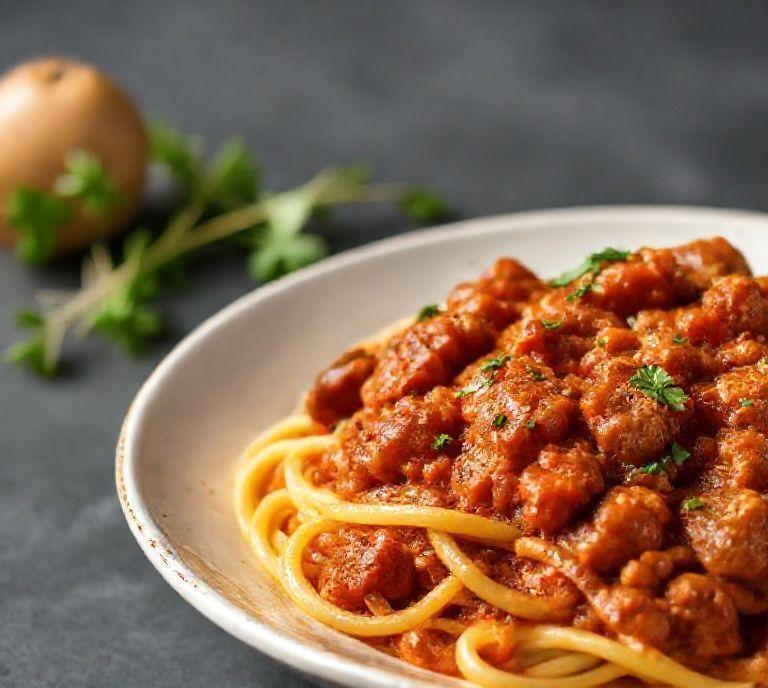
This vegetarian Bolognese is everything you want from a comforting sauce: rich, velvety, and packed with flavor. It’s the kind of dish that will have everyone at the table asking for seconds-and they won’t even realize it’s meat-free. The key to making this version as satisfying as the classic is finding a combination of ingredients that can mimic the umami depth of a traditional Bolognese.
I usually make this with a base of mushrooms, lentils, and a variety of aromatic vegetables, slow-cooked in olive oil to build layers of flavor. A touch of red wine and a splash of vegetable broth elevate the sauce to its full potential. It’s perfect served over pasta, but you can also enjoy it with a hearty grain like farro or quinoa for a twist.
Ingredients Needed
To make the perfect vegetarian Bolognese, here’s what you’ll need:
- Olive Oil (2 tablespoons): This will form the base of your sauce and help cook down the vegetables, imparting richness.
- Carrots (2 medium, finely chopped): Adds a natural sweetness and a slight crunch to the sauce.
- Celery (2 stalks, finely chopped): Provides a fresh, slightly peppery undertone that balances the sweetness of the carrots.
- Yellow Onion (1 medium, finely chopped): Onions give the sauce its depth and richness. Use a yellow onion for the best balance of sweetness and savoriness.
- Garlic (3 cloves, minced): You can never go wrong with garlic-this will perfume the sauce and give it a savory backbone.
- Mushrooms (2 cups, chopped): Mushrooms, particularly cremini or portobello, provide that meaty texture and earthy flavor.
- Lentils (1 cup, green or brown): Lentils are a great source of protein and act as the stand-in for ground meat in this recipe, soaking up all the flavors of the sauce.
- Tomato Paste (2 tablespoons): Concentrated tomato paste adds deep, umami flavor to the sauce.
- Red Wine (1 cup, dry): Adds richness and depth. If you prefer non-alcoholic, use vegetable broth instead.
- Vegetable Broth (2 cups): For the sauce to simmer and develop flavor. Use a good-quality broth for the best result.
- Crushed Tomatoes (2 cans, 14 oz each): This forms the base of the sauce, giving it that signature red color and tangy flavor.
- Bay Leaves (2): For a subtle, aromatic touch.
- Dried Oregano (1 teaspoon): Gives a Mediterranean herb flavor that’s essential for Bolognese.
- Fresh Basil (1/4 cup, chopped): For finishing the sauce and adding brightness right before serving.
- Salt and Pepper (to taste): These will help balance and bring out all the flavors.
Cooking Instructions
- Prepare your ingredients: Begin by chopping the onions, carrots, celery, garlic, and mushrooms. The finer you chop, the better, as it allows them to break down and integrate into the sauce seamlessly.
- Sauté the base vegetables: In a large, heavy-bottomed pot, heat the olive oil over medium heat. Add the onions, carrots, celery, and garlic. Season with a pinch of salt, and cook, stirring occasionally, until the vegetables are soft and the onions are translucent-about 8-10 minutes.
- Cook the mushrooms: Add the chopped mushrooms to the pot. They will release moisture at first, but keep cooking until they shrink down and begin to brown, about 10 minutes. This deepens the flavor of the sauce and mimics the richness of meat.
- Add the lentils and tomato paste: Stir in the lentils and tomato paste. Cook for a couple of minutes to toast the paste and bring out its sweetness.
- Deglaze with wine: Pour in the red wine, scraping up any bits that have stuck to the bottom of the pot. Let it cook off for about 3-4 minutes, allowing the wine to reduce slightly.
- Add the tomatoes and broth: Stir in the crushed tomatoes, vegetable broth, bay leaves, and dried oregano. Bring to a simmer, then reduce the heat to low. Let the sauce cook gently for 45 minutes to an hour, stirring occasionally. The lentils should be tender, and the sauce should be thickened and rich.
- Finish with fresh basil: When the sauce is nearly done, stir in the fresh basil, and season with salt and pepper to taste. The basil adds a fresh, fragrant note that brightens the entire dish.
- Serve: Ladle the Bolognese over your favorite pasta, top with freshly grated Parmesan or a vegan alternative, and enjoy!
Ingredient Science Spotlight
One of the most fascinating things about this recipe is how it uses the science of cooking to replicate the richness of meat without any actual meat. Let’s break down some key ingredients:
- Mushrooms: These are full of glutamates, compounds that enhance umami (the savory, “meaty” flavor). When you cook mushrooms, particularly in a long-simmering sauce, they release their natural glutamates, giving the sauce that deep, meaty flavor.
- Lentils: Lentils are high in fiber and protein, and their texture when cooked is reminiscent of ground beef. They also absorb flavors really well, so they act as the perfect vehicle for all the rich, savory notes of the sauce.
- Tomato Paste: This is concentrated, which means it has a higher concentration of natural sugars and acids. When cooked down, it provides a deep umami and a slightly tangy base, which balances the richness of the mushrooms and lentils.
Expert Tips
- Slow and Low: Don’t rush the cooking time. The longer you allow the sauce to simmer, the more developed the flavors will become. If you’re in a hurry, you can cook it for less time, but be prepared for a less complex flavor profile.
- Layer the Umami: A small splash of soy sauce or tamari in the sauce can heighten the umami flavor. This is a trick I learned from a chef who swears by it, and I’ve found it makes a noticeable difference.
- Use a Food Processor: If you don’t want to spend time chopping the vegetables finely, a food processor can do the job in seconds. Just be careful not to over-process, as you want some texture in the sauce.
- Add a Touch of Sweetness: Sometimes, I add a small pinch of sugar or a drizzle of maple syrup to balance out the acidity from the tomatoes. It’s subtle, but it rounds out the flavor perfectly.
Recipe Variations
- Mushroom Medley: Feel free to mix and match different types of mushrooms. A combination of shiitake, portobello, and cremini mushrooms will give the sauce a richer, more varied flavor profile.
- Zucchini or Eggplant: For a more vegetable-heavy Bolognese, you can swap some of the mushrooms for finely chopped zucchini or eggplant. These vegetables will melt into the sauce and add a creamy texture.
- Spicy Kick: If you like a bit of heat, add some red pepper flakes or a finely chopped fresh chili pepper along with the garlic.
- Pasta Substitutes: If you want to make it even more nutritious, try serving the sauce over spiralized zucchini or sweet potato noodles for a gluten-free alternative. Or, for a heartier dish, serve it with a thick whole-wheat pasta.
Final Words
There’s something magical about a Bolognese sauce-its ability to fill the house with warmth and promise comfort in every spoonful. Making a vegetarian version of this dish doesn’t mean sacrificing flavor or satisfaction; it just means getting a little more creative in the kitchen. The mushrooms and lentils provide a depth that is not just "good for being vegetarian," but genuinely delicious in its own right.
FAQs
What Are The Key Ingredients In A Vegetarian Bolognese Recipe?
A vegetarian bolognese typically includes ingredients like lentils, mushrooms, carrots, onions, garlic, tomatoes, and a variety of herbs such as basil, oregano, and thyme. It may also contain plant-based alternatives to meat, such as textured vegetable protein (TVP) or plant-based ground ’meat’. Olive oil, vegetable broth, and a splash of red wine are often used to enhance the flavors.
Can I Use A Meat Substitute In A Vegetarian Bolognese Recipe?
Yes, you can easily substitute meat in a vegetarian bolognese. Popular choices include lentils (green, brown, or red), crumbled tofu, tempeh, or store-bought plant-based ground meat (like Beyond Meat or Impossible). These substitutes provide a similar texture and absorb the rich tomato sauce, making them perfect for this dish.
How Long Does It Take To Cook A Vegetarian Bolognese From Scratch?
The total cooking time for a vegetarian bolognese recipe is typically between 45 minutes to 1 hour. This includes sautéing vegetables, simmering the sauce, and allowing the flavors to meld together. If using lentils, they usually take about 20-30 minutes to cook, while the simmering stage allows the sauce to thicken and develop rich flavor.