One of the most rewarding experiences in the kitchen is discovering a recipe that feels like a piece of home, even if it’s from a place you’ve never been. That’s what happened to me when I stumbled upon a traditional Brazilian vegetarian dish. It had all the warmth and flavor I associate with comfort food, but with a distinctly vibrant twist. I didn’t need to fly to Brazil to experience it; I simply had to gather the right ingredients and bring the essence of Brazil into my own kitchen.
Brazilian cuisine has an exciting mix of influences, from indigenous roots to Portuguese, African, and even some Italian and Japanese. In this recipe, the harmony of flavors is what stands out. It’s a celebration of local produce, spices, and techniques, without relying on meat at all. Let me take you through this vegetarian Brazilian dish-full of soul, color, and most importantly, flavor.
Brazilian Vegetarian Recipe: Feijão Tropeiro
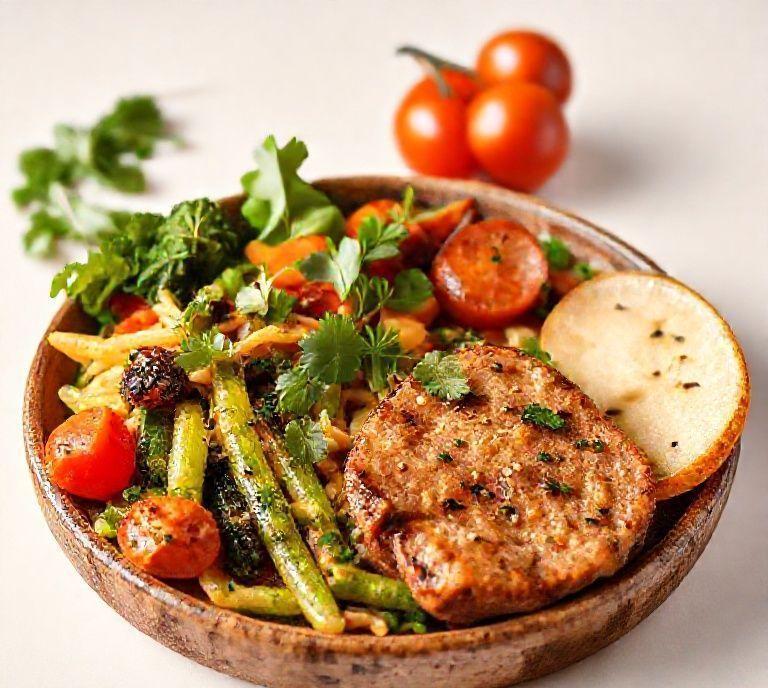
Feijão Tropeiro is a classic Brazilian dish that’s usually made with beans, rice, and a variety of vegetables. But there’s no need to worry about meat here. We’re going to keep it vegetarian while still holding on to all the richness of the original dish. It’s hearty, filling, and perfect for a family meal or a weeknight dinner.
Ingredients Needed
Before you dive in, make sure you have everything on hand. It’s always a good idea to lay out all the ingredients beforehand, especially when cooking a recipe that’s as rich and textured as this one. Here’s what you’ll need:
- 1 ½ cups dried black beans (or kidney beans if you prefer)
- 2 tablespoons olive oil (or vegetable oil)
- 1 large onion, finely chopped
- 2 cloves garlic, minced
- 1 bell pepper (red or yellow), diced
- 2 tomatoes, chopped
- 1 cup collard greens (or spinach, but collard greens are more traditional)
- 1 teaspoon smoked paprika
- 1 teaspoon cumin powder
- 1 teaspoon coriander powder
- 1 tablespoon soy sauce (or tamari for gluten-free)
- 1 tablespoon rice vinegar
- ½ cup cornmeal (used to thicken the dish and add texture)
- Salt and pepper to taste
- Fresh cilantro, chopped (optional, for garnish)
Cooking Instructions
- Cook the beans: Start by cooking the beans. You can either soak them overnight or use the quick-soak method by boiling them for about 5 minutes, then letting them sit, covered, for an hour. Once softened, drain and set aside.
- Sauté the vegetables: Heat the olive oil in a large skillet or pot over medium heat. Add the chopped onion, and cook it until it softens and turns golden, about 5 minutes. Add the garlic, bell pepper, and tomatoes, stirring occasionally. Let them cook until the tomatoes break down and create a rich sauce, around 8 minutes.
- Season it up: Sprinkle in the smoked paprika, cumin, and coriander, allowing the spices to bloom in the oil. This step really brings out the aroma of the dish, so don’t rush it.
- Add greens: Throw in the collard greens and stir them in. Let them wilt for about 2 minutes. You’ll notice that the greens not only add a pop of color but also contribute to the overall flavor profile of the dish.
- Combine beans and cornmeal: Now, add the cooked beans into the pan, followed by the rice vinegar and soy sauce. Stir everything together until the beans are coated with the aromatic sauce. Next, slowly sprinkle in the cornmeal, stirring constantly to avoid clumps. The cornmeal helps thicken the dish and adds a slightly gritty texture that contrasts nicely with the soft beans and greens.
- Final touch: Taste and adjust seasoning with salt and pepper. If you like a little extra acidity, add more vinegar to taste. Garnish with chopped cilantro if you’re feeling fancy, or just serve it as is.
Ingredient Science Spotlight
One of the fun things about cooking is how certain ingredients do more than just add flavor-they have a science behind them. Take black beans, for example. These legumes are packed with protein, fiber, and antioxidants, making them a nutritious staple in many vegetarian diets. They also contain a compound called phytochemicals, which have been shown to reduce inflammation and promote heart health.
Then there’s the cornmeal. While it might seem like a simple ingredient, it plays a crucial role in creating the perfect texture. When cornmeal is added to a dish like Feijão Tropeiro, it absorbs the moisture from the beans and the broth, thickening the dish and adding a slightly crunchy texture. It’s also a good source of complex carbohydrates, which makes it a great addition to this hearty dish.
The smoked paprika is another star of the dish. It’s what adds that signature smoky, almost earthy flavor without needing to add actual meat. Smoked paprika is dried and smoked over a fire, which gives it a deep, rich flavor that balances the acidity of the tomatoes and vinegar perfectly.
Expert Tips
- Soaking beans: If you don’t have time to soak beans overnight, consider using canned beans (drain and rinse them well). But for the best flavor and texture, cooking your beans from scratch is always worth the effort.
- Make it spicier: Brazilian food often has a bit of a kick. If you like heat, feel free to add a finely chopped chili pepper (like jalapeño) to the sautéed onions and garlic, or use a dash of hot sauce while cooking.
- Add a crispy finish: While this recipe keeps things vegetarian, you could always add crispy tempeh or tofu cubes for extra texture. Simply sauté the tempeh or tofu in a separate pan until golden, then toss it in at the end.
- Let it sit: Like many dishes, Feijão Tropeiro tastes even better the next day after all the flavors have had time to meld together. If you can, make it ahead and let it sit for a few hours or overnight in the fridge.
Recipe Variations
While Feijão Tropeiro is delicious as is, you can play around with the ingredients to make it your own. Here are some ideas:
- Add roasted vegetables: Try adding roasted squash, sweet potato, or even eggplant for a heartier, richer dish.
- Use different greens: If collard greens are hard to find, kale or spinach are great substitutes. Each one will give the dish a different texture and flavor.
- Switch the beans: Pinto beans or kidney beans are also popular choices in Brazilian cuisine, so feel free to swap in your favorite bean variety.
- Use farofa: This traditional Brazilian side dish made from toasted cassava flour can be sprinkled on top for an extra layer of crunch and flavor.
Final Words
Brazilian food often carries with it a sense of celebration. Dishes like Feijão Tropeiro are more than just meals-they’re moments that bring people together. It’s a humble dish, but one that’s packed with heart. Every bite of the soft beans, smoky paprika, and earthy greens feels like an invitation to slow down, savor, and enjoy the moment. And the best part? This dish is all about versatility. Whether you make it vegan or add a few personal touches, it’s one of those recipes that adapts to your mood and your pantry.
FAQs
What Are Some Traditional Brazilian Dishes That Can Be Made Vegetarian?
Several traditional Brazilian dishes can be adapted for a vegetarian diet. Examples include Feijoada (a black bean stew) made without meat and with extra vegetables, Moqueca (a coconut milk-based stew) using heart of palm or tofu instead of fish, and Vatapá (a creamy peanut and bread-based dish) made with vegetables and coconut milk. Many Brazilian rice and bean combinations, salads, and side dishes naturally fit vegetarian diets.
What Ingredients Are Commonly Used In Brazilian Vegetarian Recipes?
Brazilian vegetarian recipes often use ingredients such as black beans, brown beans, rice, cassava, corn, coconut milk, palm hearts, okra, peppers, tomatoes, onions, garlic, cilantro, and tropical fruits like mango and pineapple. Spices like paprika, cumin, and malagueta chili pepper, as well as dende oil (palm oil), are frequently used to add authentic Brazilian flavor.
How Can I Make A Brazilian Vegetarian Recipe More Nutritious?
To enhance the nutritional value of Brazilian vegetarian dishes, include a variety of legumes (beans, lentils), whole grains (brown rice, quinoa), and fresh vegetables. Adding nuts and seeds, such as cashews or sunflower seeds, can increase protein and healthy fats. Using minimal processed ingredients, controlling salt, and incorporating leafy greens like kale or collard greens helps maintain a balanced and nutrient-rich meal.