Imagine sitting down after a long day, feeling that satisfying hunger gnawing at your stomach, but also a desire for something light, yet nourishing. Something vibrant and full of color, flavor, and energy. That’s the magic of a Buddha Bowl. It’s like a symphony of textures and tastes, a bowl that somehow manages to fill you up without feeling heavy or overly indulgent.
For me, a Buddha Bowl always feels like a reminder to slow down, to be mindful of what I’m putting into my body. It’s the kind of meal that, when you eat it, you’re more present. Every ingredient feels intentional. No hasty decisions, no shortcuts. Just wholesome, hearty components combined in a way that feels both comforting and rejuvenating.
If you’ve never made one before, or if you’re just looking for a fresh, veggie-packed recipe, I’ve got something for you today. A simple, satisfying, and wholly vegetarian Buddha Bowl recipe that will change the way you approach eating. It’s like eating a little piece of wellness, packed with nutrients, vibrant veggies, grains, and a tangy dressing that will have your taste buds dancing.
Let’s dive in!
Buddha Bowl Vegetarian Recipe
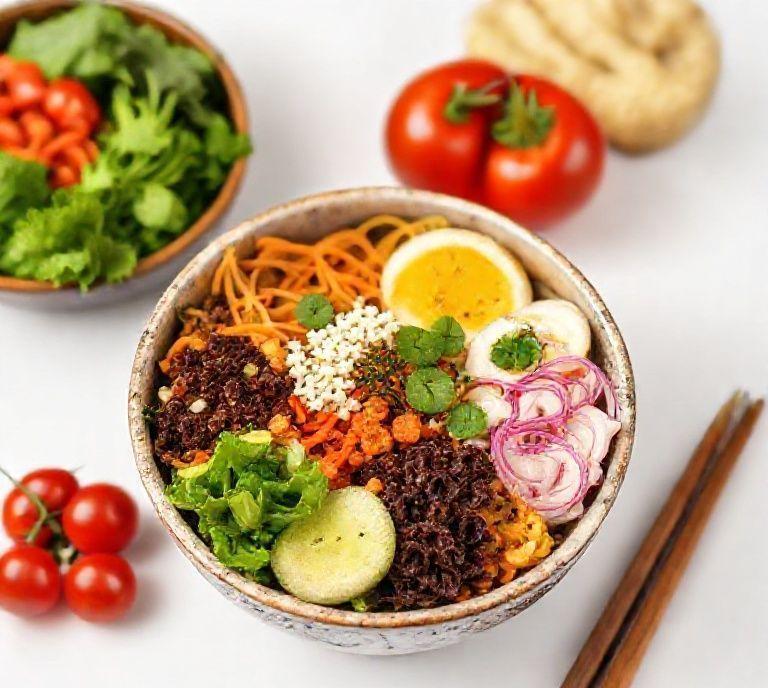
A Buddha Bowl is really just a balanced collection of ingredients that can be customized however you like. Think of it as a customizable, nourishing salad, but with a lot more variety. The beauty is that it’s versatile, so whether you’re craving something warm or cold, creamy or crunchy, it can adapt to what you’re feeling. Plus, it’s a fantastic way to use up leftover grains or veggies you have in the fridge. Waste not, want not, right?
This recipe is a great base to start with. I’ve kept it vegetarian, but if you’re a fan of adding protein, you can toss in some grilled chicken, tempeh, or tofu as you see fit. Either way, this bowl will deliver in both flavor and nutrition.
Ingredients Needed
Before you start cooking, let’s take a moment to gather all the ingredients. I like to have everything ready so there’s no scrambling around once I start. It’s like setting up for a mini celebration of veggies, grains, and sauces!
For the base:
- 1 cup cooked quinoa or brown rice (or any whole grain you love)
- 1/2 cup chickpeas (either roasted or plain, depending on your preference)
- 1/2 avocado, sliced
- 1/2 cup shredded carrots
- 1/2 cup cucumber, sliced thinly
- 1/4 cup red cabbage, finely shredded
- 1/4 cup fresh cilantro, chopped (optional, but a must if you ask me)
For the dressing:
- 2 tablespoons tahini (you can swap for almond butter if you prefer)
- 1 tablespoon lemon juice
- 1 tablespoon olive oil
- 1 tablespoon maple syrup (for a touch of sweetness)
- 1 clove garlic, minced
- Salt and pepper to taste
This is the basic lineup. You can always tweak the toppings and mix-ins based on what you have or what you’re in the mood for.
Cooking Instructions
- Cook your base grain: First, start by cooking your quinoa or rice according to package instructions. I tend to make a big batch of grains over the weekend and store it in the fridge. It’s a lifesaver during busy weeks and keeps me from reaching for something unhealthy when hunger strikes.
- Prepare your chickpeas: If you’re using canned chickpeas, rinse and drain them. For a bit of extra flavor and crunch, toss them with a bit of olive oil, salt, pepper, and maybe a dash of paprika or cumin, then roast them in the oven at 400°F for about 20 minutes until crispy.
- Prepare your veggies: Slice your cucumber, shred your carrots, and finely slice the red cabbage. These veggies not only bring great color to the bowl but a variety of textures. The cucumber provides a refreshing crunch, while the cabbage adds a nice bite.
- Assemble your bowl: Start by placing your cooked quinoa or rice at the bottom of your bowl. Then, layer in your chickpeas, avocado, carrots, cucumber, cabbage, and cilantro. This is where the fun begins – you can be as artistic or casual as you like. Some days I go for neat, perfect layers. Other days, I just throw it all in there, making sure everything gets a little love.
- Whisk up the dressing: In a small bowl, whisk together tahini, lemon juice, olive oil, maple syrup, minced garlic, and a pinch of salt and pepper. The tahini gives it a creamy richness, while the lemon juice brightens it up. Drizzle the dressing over the assembled bowl, and you’re done!
Ingredient Science Spotlight
When you take a bite of your Buddha Bowl, you’re not just enjoying a delicious meal – you’re feeding your body some pretty powerful nutrients. Let’s take a quick look at a few of the ingredients and why they’re so good for you.
- Quinoa: Often hailed as a superfood, quinoa is a complete protein, meaning it contains all nine essential amino acids that our bodies can’t produce on their own. It’s also high in fiber, which is key for digestion and helps keep you full longer.
- Chickpeas: These humble legumes are packed with protein and fiber, making them an ideal meat substitute. They’re also loaded with essential vitamins and minerals like folate, iron, and manganese.
- Avocado: A perfect example of a healthy fat, avocados are rich in monounsaturated fats, which support heart health. They’re also packed with fiber, which helps regulate digestion.
- Tahini: Made from sesame seeds, tahini is an excellent source of healthy fats, vitamins, and minerals. It’s particularly rich in calcium, which is essential for bone health.
By combining these ingredients, you’re getting a nutrient-dense meal that supports everything from digestion to heart health, all in one bowl.
Expert Tips
- Meal prep ahead of time: You can make this Buddha Bowl even easier by prepping your grains, chickpeas, and veggies in advance. Roasted chickpeas keep well in an airtight container for up to a week, and grains can be refrigerated for several days. The more you prep ahead, the quicker the assembly becomes.
- Switch up the grains: While quinoa is a fantastic choice, feel free to experiment with different grains like farro, bulgur, or even wild rice. Each grain has its own unique flavor and texture, adding a new layer to the dish.
- Add a protein boost: If you’re looking to make this Buddha Bowl more filling, consider adding a protein-rich topping. A boiled egg, grilled tempeh, or a handful of roasted nuts can elevate the dish.
- Don’t skip the dressing: A good dressing is everything. It ties all the ingredients together and adds that punch of flavor. Don’t be afraid to adjust the flavors – add more lemon for brightness or a bit more maple syrup for sweetness.
- Don’t be afraid to mix it up: Buddha Bowls are incredibly versatile. Add roasted sweet potatoes, sautéed spinach, or even a dollop of hummus. It’s all about balance.
Recipe Variations
The beauty of Buddha Bowls is that you can mix and match based on your taste preferences. Here are a few variations to try:
- Asian-Inspired Bowl: Swap out the tahini dressing for a sesame-ginger dressing. Add edamame, seaweed, and a drizzle of soy sauce or tamari.
- Mexican-Inspired Bowl: Try using black beans instead of chickpeas, and top with fresh salsa, corn, and a dollop of guacamole.
- Mediterranean-Inspired Bowl: Use couscous or bulgur as the grain base. Add Kalamata olives, cherry tomatoes, cucumbers, and a sprinkle of feta.
- Roasted Veggie Bowl: Roast your vegetables (think sweet potatoes, brussels sprouts, zucchini) instead of using fresh ones. The roasted flavor adds a deeper richness.
Final Words
Creating your own Buddha Bowl is not only a fun exercise in creativity, but it’s also an excellent way to eat a wholesome, balanced meal. It’s a little reminder that food doesn’t have to be complicated to be satisfying. Simple, fresh ingredients come together in such a way that you can’t help but feel good about what you’re putting in your body. Whether you make this exact version or come up with your own twist, I hope this recipe inspires you to take a moment for yourself and savor the simple joys of eating mindfully.
FAQs
What Is A Buddha Bowl And What Makes It Vegetarian?
A Buddha bowl is a nutrient-packed, single-serve meal typically composed of a variety of vegetables, grains, proteins, and healthy fats arranged in a visually appealing way. A vegetarian Buddha bowl excludes meat, fish, and poultry and instead includes plant-based proteins such as tofu, tempeh, legumes, or beans, combined with fresh vegetables, leafy greens, grains like quinoa or brown rice, and flavorful dressings or sauces.
How Can I Ensure My Buddha Bowl Is Balanced And Nutritious?
To create a balanced vegetarian Buddha bowl, aim to include a variety of components: 1) A whole grain or complex carbohydrate base (e.g., quinoa, brown rice, or farro), 2) A protein source (e.g., chickpeas, lentils, tofu, or edamame), 3) Plenty of colorful vegetables for vitamins and antioxidants, 4) Healthy fats such as avocado, nuts, or seeds, and 5) A flavorful dressing or sauce to tie the ingredients together. Including all these elements ensures the meal provides carbohydrates, protein, fiber, and essential micronutrients.
Can I Prepare A Buddha Bowl In Advance, And How Should I Store It?
Yes, Buddha bowls can be partially prepared in advance. Cook grains and proteins ahead of time and store them in airtight containers in the refrigerator for up to 4-5 days. Chop vegetables and store them separately to maintain freshness. Assemble the bowl just before eating to preserve texture and flavor, and add dressings or sauces at the last minute to prevent the ingredients from becoming soggy.