When you think of Caesar dressing, it’s hard not to imagine that creamy, tangy, slightly salty goodness drizzling over crisp romaine lettuce, accompanied by crunchy croutons and perhaps a dusting of parmesan. But what if I told you there’s a way to enjoy all of that without using any anchovies, eggs, or dairy? That’s where the vegetarian Caesar dressing comes in-just as flavorful, a little lighter, and every bit as satisfying.
I remember the first time I experimented with a vegetarian Caesar dressing. I had a craving for the classic Caesar salad but wanted to keep it plant-based. So, I started playing with ingredients I had at home-olive oil, lemon, nutritional yeast-and after a few tries, I landed on a version that made my taste buds do a little happy dance. There’s something so satisfying about creating something familiar in a new, unexpected way. And now, this vegetarian Caesar dressing has become a staple in my kitchen.
Whether you’re looking to cut out animal products, are trying to eat more plant-based meals, or you simply love Caesar salad and want a twist, this recipe has you covered.
Caesar Dressing Vegetarian Recipe
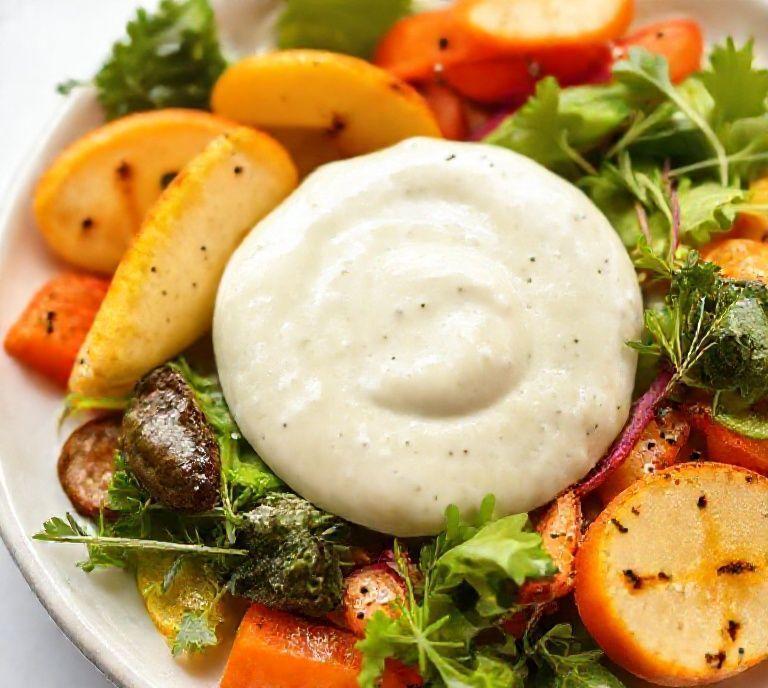
Now, let’s dive into the actual recipe. Creating a vegetarian Caesar dressing doesn’t require any obscure ingredients, and the process is surprisingly simple. But don’t let that fool you-this dressing is packed with flavor. It’s creamy, zesty, and a little bit savory, without any of the traditional anchovy paste or eggs.
Ingredients Needed
Here’s what you’ll need to make this vegetarian Caesar dressing:
- 1/2 cup tahini: This will serve as the creamy base. It’s a great substitute for eggs and brings a nutty richness that mimics the texture of traditional Caesar dressing.
- 3 tablespoons lemon juice: Freshly squeezed, of course. The tangy acidity of lemon is key to balancing the richness of the tahini.
- 2 tablespoons Dijon mustard: This adds a sharp, mustardy zing that helps cut through the creaminess and gives the dressing a bit of edge.
- 2 tablespoons nutritional yeast: If you haven’t tried nutritional yeast yet, you’re in for a treat. It gives the dressing a cheesy, umami flavor that’s reminiscent of parmesan cheese-without actually being dairy.
- 1 clove garlic, minced: Fresh garlic is an essential flavor booster in this dressing. It adds depth and a slight punch.
- 1 tablespoon apple cider vinegar: For a bit of extra tang and acidity.
- 1 tablespoon olive oil: This adds a bit of richness and smoothness to the dressing, tying all the ingredients together.
- Salt and pepper, to taste: Always adjust the seasoning to your liking. Sometimes I even add a little extra pepper for a nice spicy kick.
- 1 tablespoon capers or caper brine (optional): For an extra punch of briny flavor. It adds that savory element you’d traditionally get from anchovies.
Cooking Instructions
- Mix the base: In a bowl, whisk together the tahini, Dijon mustard, and lemon juice until smooth. You may notice that the tahini thickens up a little once it mixes with the lemon juice, but that’s totally normal.
- Flavor boost: Add the minced garlic, nutritional yeast, apple cider vinegar, and caper brine (if you’re using it). Whisk everything together until the mixture is smooth and well-combined.
- Emulsify: Slowly drizzle in the olive oil while continuing to whisk. This will help the dressing come together into a creamy, pourable consistency.
- Season to taste: Taste your dressing and adjust with salt and pepper. If you want more tang, a bit more lemon juice will do the trick. For a deeper umami flavor, you could add a touch more nutritional yeast or caper brine.
- Serve and enjoy: Pour it over fresh romaine lettuce, toss with homemade croutons, and sprinkle some extra nutritional yeast or plant-based parmesan on top for the full Caesar experience.
Ingredient Science Spotlight
Let’s break down a few of the key ingredients and why they work so well in this vegetarian Caesar dressing.
- Tahini: Made from ground sesame seeds, tahini is rich in fats and has a creamy consistency that works wonders in dressings. It’s an excellent substitute for eggs or mayonnaise in creamy recipes. Plus, sesame seeds are packed with nutrients, including magnesium, calcium, and healthy fats.
- Nutritional Yeast: This is the vegan chef’s secret weapon. It’s not only loaded with B vitamins, but it also brings that “cheesy” flavor that you often miss in plant-based versions of creamy recipes. It’s made from deactivated yeast, so it’s safe to consume and packed with nutrients.
- Apple Cider Vinegar: ACV adds more than just acidity. It’s packed with antioxidants and has been linked to various health benefits, from supporting digestion to regulating blood sugar. Its tartness here is essential to balancing the rich, creamy tahini.
Expert Tips
- Adjust for creaminess: If you find the dressing too thick after mixing, simply add a tablespoon or two of water to thin it out. This helps create the perfect consistency to coat your salad without being too runny or too gloopy.
- Keep it fresh: Like most dressings, this one tastes best when freshly made, but you can store it in the fridge for about a week. Just give it a good stir before using, as it may separate a bit.
- Don’t skip the nutritional yeast: If you can’t find it in your local store, look for it online. It’s a game-changer in plant-based recipes, and it will add that signature umami flavor that’s essential for Caesar dressing.
- Mix it up: Use this dressing not only for salads but also as a veggie dip or sandwich spread. It pairs beautifully with roasted vegetables, especially those with a charred edge, like cauliflower or sweet potatoes.
Recipe Variations
While the basic recipe is pretty fantastic, there are a few easy variations to suit your tastes:
- Lemon Garlic Caesar: Add an extra clove of garlic and a bit more lemon juice for a more intense flavor. It’s a great way to really let the tangy and garlicky flavors shine.
- Creamy Avocado Caesar: Blend in half an avocado for an even creamier texture and a subtle richness that complements the other ingredients beautifully. This version is especially great if you’re looking for a more indulgent dressing.
- Smoky Caesar: Add a touch of smoked paprika or liquid smoke for a smoky twist. This gives the dressing an intriguing depth, similar to what you might get from a chargrilled Caesar salad.
- Spicy Caesar: Add a dash of hot sauce or a pinch of cayenne pepper for a kick of heat. It’s perfect if you like a little spice with your salads.
Final Words
This vegetarian Caesar dressing is a great example of how simple, wholesome ingredients can come together to create something truly delicious. It proves that you don’t need anchovies or dairy to make a dressing that’s rich, creamy, and full of flavor. It’s an easy way to elevate your salads, and you’ll likely find yourself drizzling it on everything from roasted veggies to grain bowls.
FAQs
What Are The Key Ingredients In A Vegetarian Caesar Dressing?
A vegetarian Caesar dressing typically replaces anchovies, a key ingredient in traditional recipes, with plant-based alternatives. The core ingredients include mayonnaise or a vegan substitute (such as cashew cream or silken tofu), garlic, Dijon mustard, lemon juice, nutritional yeast for a cheesy flavor, capers or miso paste for umami, and olive oil. For added richness, some recipes also include vegan Parmesan or nutritional yeast.
Can I Make A Vegan Caesar Dressing Instead Of Just A Vegetarian One?
Yes, you can easily make a vegan Caesar dressing by replacing dairy-based ingredients such as Parmesan cheese and mayonnaise with plant-based alternatives. Use a dairy-free mayo (or cashew cream) and vegan Parmesan or nutritional yeast. The rest of the ingredients, like garlic, lemon juice, Dijon mustard, and capers, remain the same to preserve the flavor profile of a classic Caesar dressing.
How Can I Adjust The Flavor If My Vegetarian Caesar Dressing Tastes Too Strong Or Too Mild?
If your vegetarian Caesar dressing tastes too strong, consider adjusting the balance of acid and umami. Add more lemon juice or a splash of vinegar to cut through the richness. If it’s too mild, increase the garlic, Dijon mustard, or nutritional yeast to boost the depth of flavor. You can also incorporate a pinch of salt or a dash of soy sauce to intensify the umami and mimic the taste of traditional anchovies.