Imagine walking into a warm kitchen on a crisp, quiet afternoon, the kind of day when the scent of fresh-baked cake fills the air and immediately makes everything feel cozier. That was me a few weeks ago, trying to take on the challenge of creating the perfect cake-vegetarian, of course-something that could satisfy both my love for comfort food and my desire to keep things plant-based.
I’d been experimenting with all sorts of cakes over the years, but I wanted to push the envelope a little more. Could a vegetarian cake be as rich and decadent as its more traditional counterparts? Could it bring a sense of nostalgia and warmth without the usual eggs or dairy? I’m not sure what inspired me that day, but I decided to go for it-and the result was nothing short of magical. The cake was light, fluffy, and full of flavor, and it quickly became a favorite.
In the end, this recipe became one of those ’secret weapon’ desserts I’m always eager to share with friends, family, or anyone who needs a sweet treat with a twist. If you’re like me and love trying something new, this vegetarian cake recipe is the perfect addition to your dessert repertoire.
Cake Vegetarian Recipe
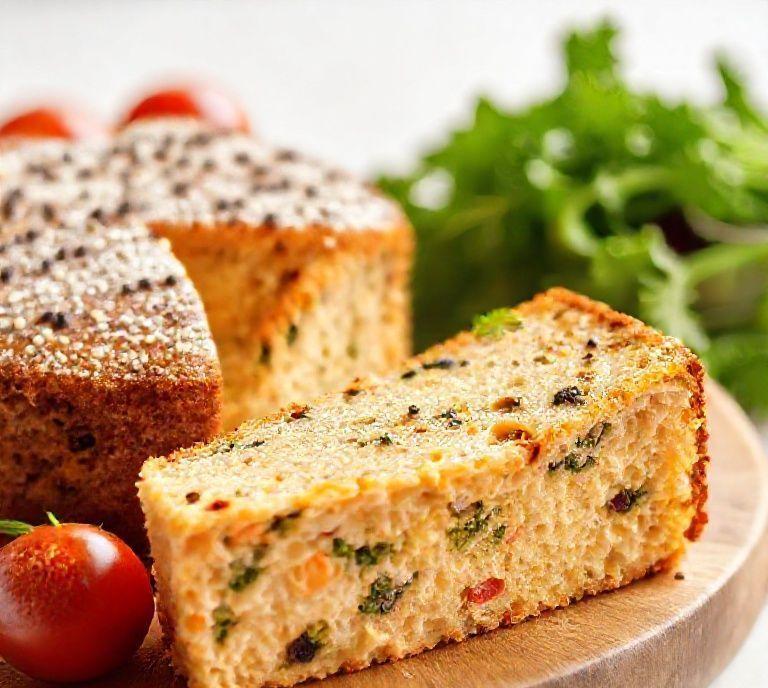
What makes this cake so special? Well, not only is it completely vegetarian, but it’s also made without the typical eggs, butter, or cream that you might find in your standard cake recipe. Instead, it embraces whole plant-based ingredients that come together in a way that might just surprise you.
Let’s get into the details. You’ll be using common pantry ingredients, and yet, the final result is a moist, flavorful, and satisfying cake that feels incredibly indulgent. It’s the kind of cake you’d want to serve at a birthday party, an afternoon tea, or just when you’re craving a slice of something sweet but want to keep it a little lighter.
Ingredients Needed
Here’s what you’ll need for the cake:
- 1 ½ cups all-purpose flour – This is the base for your cake, giving it structure and lightness. You can also swap in whole wheat flour for a more rustic texture, though it will make the cake denser.
- 1 cup granulated sugar – It’s important to keep the sweetness balanced here, so you get that signature cake taste without going overboard.
- 1 tsp baking soda – The leavening agent that gives the cake its airy texture.
- ½ tsp baking powder – Just to ensure the cake rises to perfection.
- ½ tsp salt – A tiny touch of salt helps to enhance all the other flavors.
- 1 cup almond milk (or any plant-based milk) – I love almond milk for its subtle sweetness, but oat milk or soy milk work great too.
- ½ cup vegetable oil – This adds moisture, making the cake wonderfully soft and tender. You can also use coconut oil for a hint of tropical flavor.
- 1 tsp vanilla extract – This brings depth to the flavor profile and enhances the sweetness of the cake.
- 1 tbsp apple cider vinegar – It may seem unusual, but this is a magic ingredient that reacts with the baking soda to help the cake rise and create the perfect crumb.
- 1 cup applesauce – A fantastic substitute for eggs in vegetarian baking, applesauce adds moisture and a touch of natural sweetness. Plus, it’s a healthier alternative to butter.
That’s it! Simple ingredients, but each one plays an important role. You might notice that there’s no dairy or eggs here, and that’s intentional. The applesauce, almond milk, and vinegar work together to give the cake its texture and flavor, proving you don’t need traditional ingredients to make something delicious.
Cooking Instructions
Now, the fun part-putting it all together. Here’s how to make your vegetarian cake:
- Preheat the oven: Set it to 350°F (175°C), and make sure to grease and flour your cake pans. I like using two 9-inch round pans for a layered look, but a single 9-inch pan works too if you want a thicker cake.
- Mix the dry ingredients: In a large mixing bowl, whisk together the flour, sugar, baking soda, baking powder, and salt. This ensures that all the dry ingredients are evenly distributed before they hit the wet ingredients.
- Combine the wet ingredients: In a separate bowl, stir together the almond milk, vegetable oil, vanilla extract, apple cider vinegar, and applesauce. The vinegar and almond milk will react together, and you’ll see it bubble a little-this is a good sign! It’s helping to create that perfect light and airy texture in the cake.
- Add the wet ingredients to the dry: Gradually pour the wet ingredients into the dry ingredients, stirring gently. Be careful not to overmix-just combine everything until the flour disappears. A few lumps are okay.
- Pour the batter: Divide the batter evenly between your prepared pans. Use a spatula to smooth the tops, making sure the batter is spread out evenly.
- Bake: Pop the pans into the oven and bake for 25-30 minutes. You’ll know the cake is done when a toothpick inserted into the center comes out clean. Don’t worry if it’s a little golden on top-that’s just the result of the sugar caramelizing.
- Cool and frost: Let the cakes cool in their pans for about 10 minutes before transferring them to a wire rack. Once completely cool, you can frost or serve it plain-whatever suits your style.
Ingredient Science Spotlight
Let’s take a moment to appreciate the science behind some of these ingredients. It’s easy to overlook, but each one plays an important role in ensuring your cake comes out perfect.
- Apple Cider Vinegar: This is more than just a flavor enhancer; it reacts with the baking soda to create carbon dioxide bubbles. These bubbles help the cake rise, making it light and fluffy even without eggs.
- Applesauce: Often used as a replacement for eggs in baking, applesauce acts as both a binder and a source of moisture. It brings in some natural sugars, which helps with the texture and keeps the cake soft.
- Vegetable Oil: While butter may be traditional, oil is a great substitute in vegan and vegetarian baking because it contributes to a moist crumb without the heaviness that butter can sometimes create.
It’s these little interactions that elevate the cake from just a dessert to something that feels like a little kitchen magic.
Expert Tips
- Don’t overmix: When combining the wet and dry ingredients, it’s tempting to beat everything until smooth, but this can make the cake dense. Gentle mixing is key.
- Room temperature ingredients: If your milk and applesauce are cold, they can cause the batter to seize up a bit. Bringing everything to room temperature will give you a smoother batter and a more even bake.
- Check the oven: Every oven is different, so check your cake a few minutes before the recommended baking time is up. You want the cake to be golden on top and firm to the touch.
- Layering flavors: If you want to elevate the flavor, add a pinch of cinnamon or nutmeg to the batter. These spices pair wonderfully with the applesauce and can give the cake an extra layer of depth.
Recipe Variations
What’s great about this vegetarian cake is that it’s highly adaptable. Here are a few variations to try:
- Chocolate version: Add ¼ cup of cocoa powder to the dry ingredients for a rich, chocolatey twist. You can even fold in some dairy-free chocolate chips for a bit of extra indulgence.
- Lemon or orange zest: If you want something lighter, add a teaspoon of lemon or orange zest to the batter for a citrusy lift. It pairs wonderfully with the vanilla flavor.
- Nuts and fruits: Toss in a handful of chopped walnuts, pecans, or dried cranberries to give the cake some texture and added flavor.
Final Words
This vegetarian cake is proof that baking doesn’t have to be complicated or limited by traditional ingredients. With a handful of simple, plant-based components, you can create something truly delicious and satisfying. Whether you’re a seasoned baker or a novice, this recipe allows you to explore the magic of vegetarian baking without missing out on the rich flavors we all crave in a good cake.
FAQs
What Ingredients Are Commonly Used In A Vegetarian Cake Recipe?
In a vegetarian cake recipe, common ingredients include flour (all-purpose, whole wheat, or gluten-free), sugar, eggs, milk or plant-based milk (such as almond, soy, or oat milk), butter or plant-based butter, baking powder or baking soda, vanilla extract, and fruits or vegetables for flavoring, such as apples, carrots, or zucchini. For vegan cakes, eggs and dairy are substituted with plant-based alternatives like flax eggs, chia seeds, or plant-based butters.
Can I Make A Vegetarian Cake Recipe Without Eggs?
Yes, you can make a vegetarian cake without eggs. For an eggless version, common egg substitutes include flaxseed meal, chia seeds, applesauce, mashed bananas, or silken tofu. These ingredients help bind the cake while adding moisture and texture. Each substitute might slightly alter the flavor and texture, so it’s important to choose the right one for the specific recipe you’re using.
Is It Possible To Make A Gluten-free Vegetarian Cake?
Yes, it is entirely possible to make a gluten-free vegetarian cake. To do so, you’ll need to substitute wheat flour with gluten-free flour blends or other gluten-free alternatives such as almond flour, coconut flour, or rice flour. Additionally, make sure any other ingredients, such as baking powder or flavorings, are certified gluten-free. You may also need to adjust the recipe to account for the differences in texture and moisture retention between gluten-free flours and traditional flour.